Duale unveils plan to solarise 2,000 health facilities nationwide
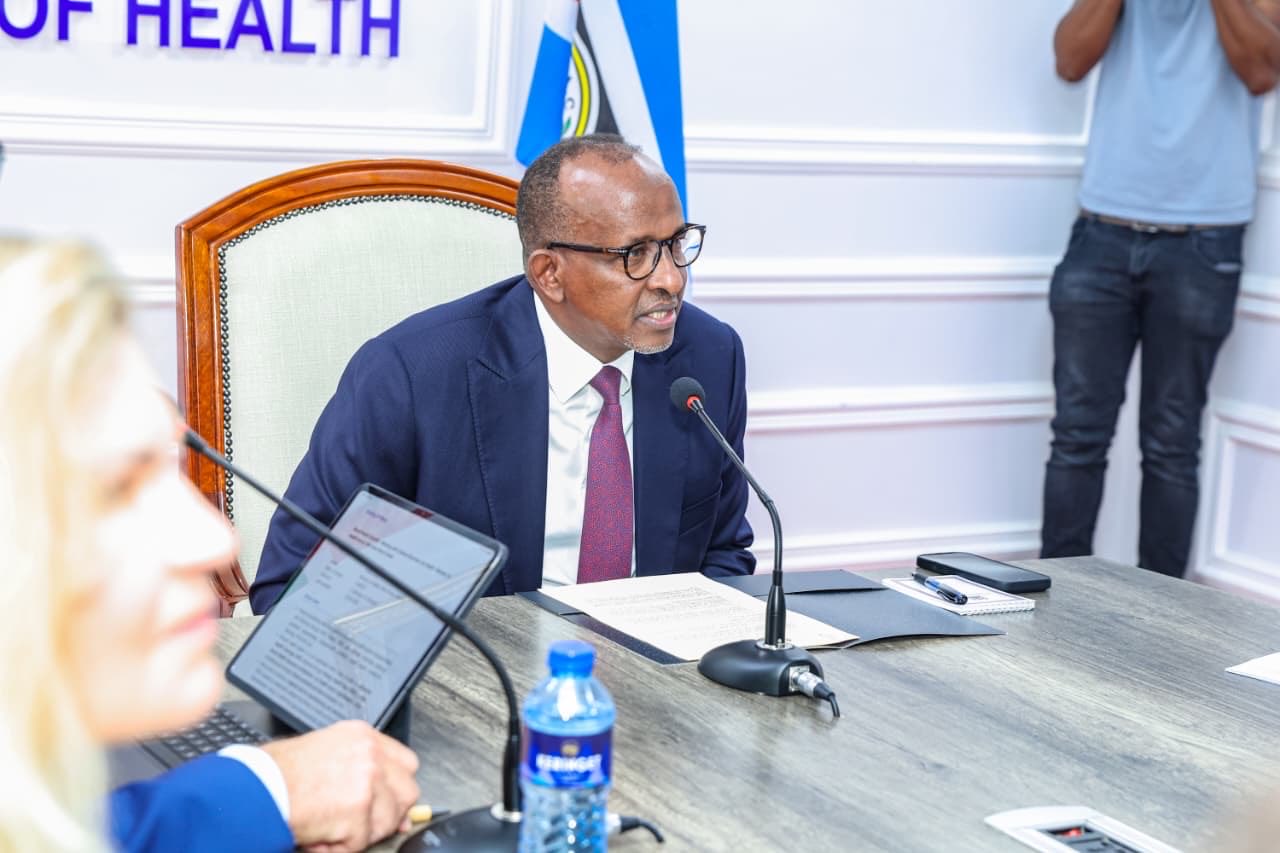
Health CS Aden Duale says talks with the European Investment Bank will expand a solar and battery programme targeting 2,000 facilities nationwide, starting with a pilot at Kenyatta National Hospital to improve service continuity.
Health CS Aden Duale has called for expanded investment in Kenya’s health energy transition, noting that the programme targets 2,000 facilities nationwide, integrating solar and battery systems to improve service continuity, strengthen maternal and child health services, and enhance resilience in the health sector.
The initiative follows talks with the European Investment Bank on strengthening hospital energy systems.
The discussions held on Wednesday centred on efforts to enhance energy reliability in the health sector, with particular focus on the ongoing solarisation project at Kenyatta National Hospital.
The CS said the engagement reaffirmed the critical role of reliable and sustainable energy in strengthening Kenya’s health system and advancing Universal Health Coverage.
The Ministry added that the initiative is designed to ensure uninterrupted delivery of essential medical services while improving resilience across health facilities.
“The programme targets 2,000 facilities nationwide, integrating solar and battery systems to improve service continuity, strengthen maternal and child health services, and enhance resilience in the health sector,” the Ministry noted in its update.
The pilot phase currently underway at Kenyatta National Hospital is supported under the European Investment Bank’s City Climate Finance Gap Fund.
According to the Ministry, feasibility studies for the project have been completed and implementation is already in progress.
The broader programme is expected to serve as a model for national expansion, targeting at least 2,000 priority health facilities across Kenya.
It will involve the deployment of standardised solar power systems and battery storage solutions designed to support critical medical equipment and reduce dependency on conventional electricity sources.
The Ministry said the integration of renewable energy systems is expected to improve service continuity, particularly in immunisation programmes and maternal and child health services, which are highly sensitive to power disruptions.
The initiative is also expected to reduce operational costs in health facilities while contributing to climate resilience efforts within the health sector.
Health CS Aden Duale sought continued support from the European Investment Bank, particularly in financing the nationwide rollout and expanding technical assistance for implementation.
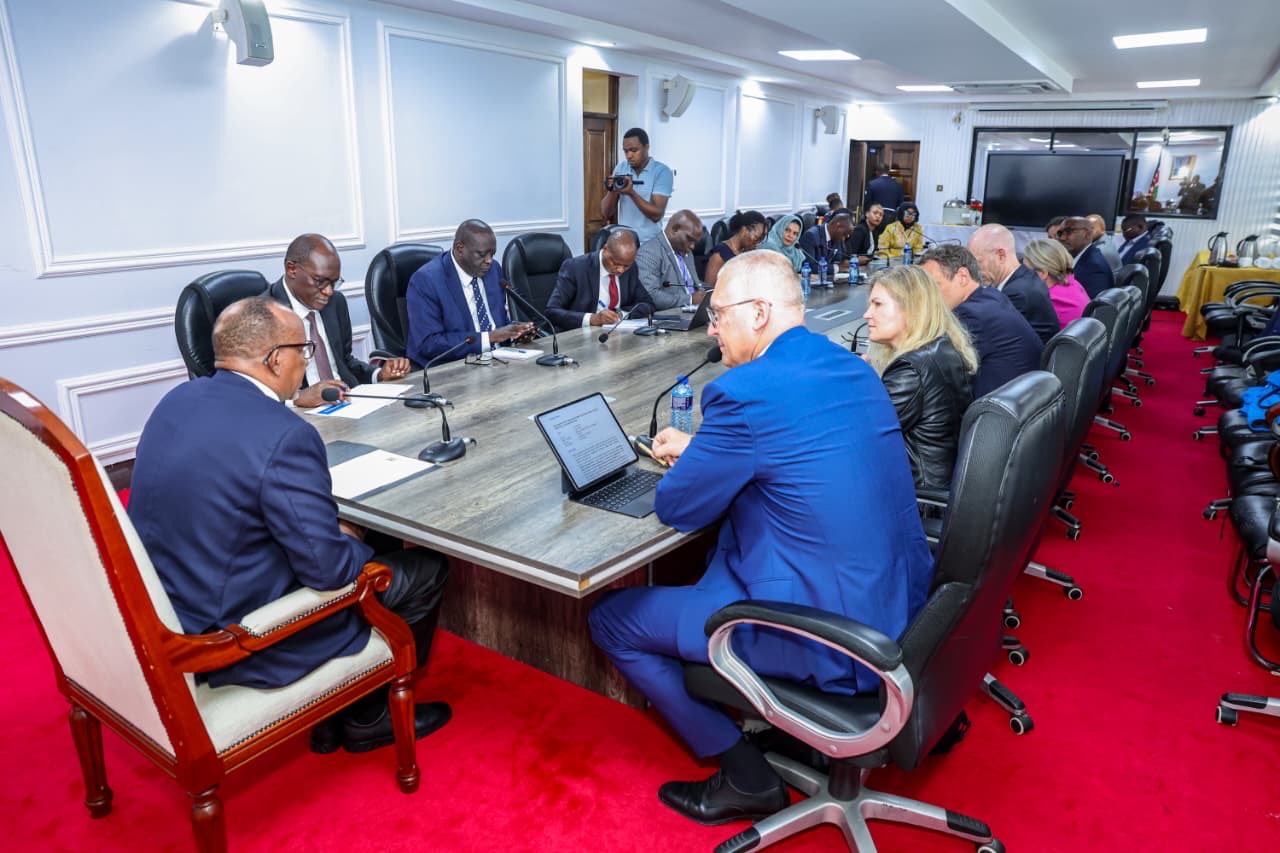 Cabinet Secretary for Health Aden Duale hosting a bilateral talks with the European Investment Bank delegation on matters Kenya’s health energy transition on April 29, 2026. PHOTO/MoH
He also called for the development of innovative financing models to attract additional investment into health infrastructure across the country.
The Ministry said the programme will also strengthen maintenance systems and governance frameworks at both national and county levels to ensure sustainability.
The meeting was attended by senior health sector officials, including Director-General for Health Dr Patrick Amoth, Richard Lesiyampe, and representatives from UNICEF, including Ephraim Lemango.
The discussions highlighted the importance of collaboration between government and development partners in achieving long-term improvements in healthcare delivery.
The Ministry said the energy transition programme aligns with Kenya’s broader goal of strengthening Universal Health Coverage by improving infrastructure reliability and service delivery efficiency.
 Cabinet Secretary for Health Aden Duale with the European Investment Bank Vice President, Marek Mora during a bilateral talks on matters Kenya’s health energy transition on April 29, 2026. PHOTO/MoH
The solarisation initiative is expected to play a key role in reducing power interruptions that have previously affected healthcare delivery in remote and underserved areas.
By integrating renewable energy solutions into hospital systems, the government aims to ensure that critical services such as emergency care, maternity services, and immunisation programmes are not disrupted.
The European Investment Bank delegation reaffirmed its support for Kenya’s health sector transformation agenda, particularly in advancing sustainable and climate-resilient infrastructure.
The Ministry of Health said the collaboration represents a strategic step toward modernising Kenya’s health facilities through clean energy solutions.
It added that the rollout of solar and battery systems will significantly enhance the resilience of the health sector while supporting national development goals.
The programme is expected to be rolled out progressively once financing frameworks and implementation structures are fully established.
The Ministry emphasised that the initiative will contribute to long-term sustainability in healthcare delivery while reducing the environmental footprint of health facilities across the country.



Comments
Sign in with Google to comment, reply, and like comments.
Continue with Google