
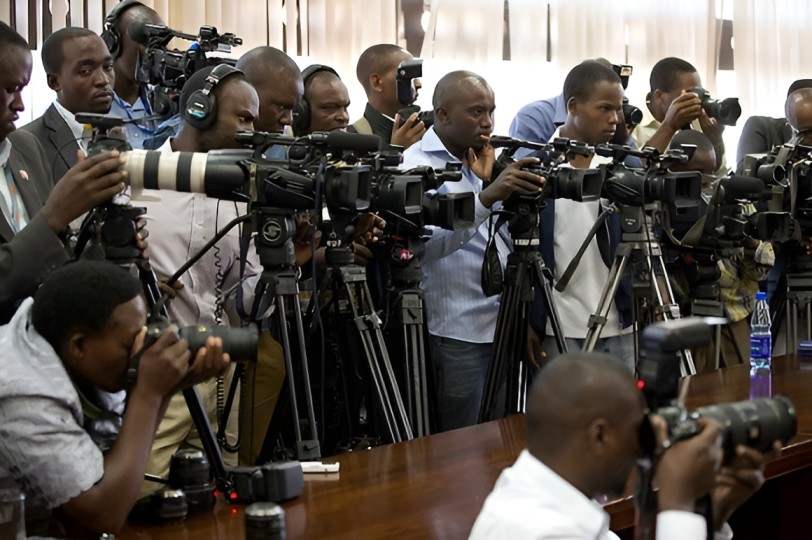
The Media Council of Kenya (MCK) has called for stronger cooperation between journalists and the police ahead of the August 2027 General Election, warning that rising cases of attacks, threats and intimidation could put media workers at risk while covering the political contest.
The Council wants the National Police Service to establish clear communication and response channels with media practitioners to ensure journalists receive timely assistance when threatened or attacked during political campaigns, public demonstrations, voting and the announcement of election results.
MCK Chairperson Maina Muiruri said journalists covering the electoral process were exposed to several forms of abuse, including physical assaults, threats, intimidation, destruction of equipment, online harassment and deliberate obstruction while carrying out their duties.
Presenting a report to the Senate Standing Committee on National Cohesion, Equal Opportunity and Regional Integration, Muiruri warned that such violations not only endanger journalists but also interfere with press freedom and deny the public access to important information during elections.
"Protecting journalists requires more than condemning attacks after they occur," Muiruri said, stressing the need for established procedures to ensure security agencies respond effectively whenever media workers report threats or attacks.
As part of its proposals, MCK wants the police to appoint designated officers who will handle complaints and emergencies involving journalists during the election period.
Muiruri disclosed that the National Police Service had already identified a media focal point to coordinate communication and facilitate responses whenever reporters find themselves in distress.
The Council is also planning a series of engagements between journalists and security officers to improve understanding, strengthen trust and encourage professional relations between the two groups.
Other proposed interventions include training and sensitising police officers on the work of journalists, the importance of media freedom and the legal protections guaranteed to media practitioners.
Muiruri said the Council was equally seeking better investigations into reported violations, alongside practical guidelines governing journalists' access to scenes of incidents and the protection of media teams operating in potentially dangerous situations.
The MCK further wants stronger working relations with the Independent Policing Oversight Authority (IPOA), the Judiciary and other relevant institutions to ensure allegations of police misconduct are handled through the appropriate channels.
Under the proposal, complaints involving police officers would be forwarded to the relevant oversight bodies, while matters requiring court intervention would follow the established legal processes.
Beyond security arrangements, the Council appealed to the Senate to allocate sufficient funding and provide the necessary personnel and technical resources to strengthen its preparations for the 2027 polls.
Muiruri said additional capacity was needed to improve media monitoring, verify digital content and enforce professional standards as the country approaches another election cycle.
He cautioned that the growing use of artificial intelligence, misinformation and digitally manipulated material could make election reporting more difficult while exposing journalists to new forms of harassment and threats.
To address these challenges, MCK intends to work with digital platforms to tackle impersonation, fabricated content and online threats directed at journalists.
The Council is also seeking to expand public awareness campaigns and digital literacy programmes to help Kenyans distinguish credible information from misleading material.
The initiatives will particularly target young people, first-time voters and residents of rural communities, who MCK says should be equipped with the skills to identify verified information during the election period.
The concerns come against a backdrop of reported attacks on media practitioners, with MCK's Press Freedom Violations Situation Report 2026 documenting 47 verified incidents between January and March.
Physical assaults accounted for 67 per cent of the recorded violations, with criminal gangs, political activists and police officers identified as the leading perpetrators.
The Kenya Media Sector Working Group has also expressed concern over the state of press freedom in the country, pointing to Kenya's declining position in the Reporters Without Borders press freedom index.
The country fell from position 69 in 2022 to 117 in 2025, raising further concerns about the environment in which journalists operate.
Muiruri urged the Senate to support closer coordination between electoral institutions, security agencies, media regulators and other stakeholders to ensure journalists can perform their duties without interference during the 2027 elections.
He said preparations should prioritise the safety of media workers while protecting their independence and constitutional rights.
"Effective preparedness will depend on coordinated action by all stakeholders, while safeguarding media independence and constitutional protections for freedom of expression," he said.