
Local farmers growing sorghum, millet and cassava could see increased demand for their produce following Parliament's approval of new tax measures designed to support manufacturers of alcoholic drinks made from locally sourced crops.
The changes will allow qualifying producers of beer, spirits and wine to enjoy excise duty relief, in a move lawmakers believe could help reduce the appeal of illicit alcohol while making regulated products more accessible to consumers.
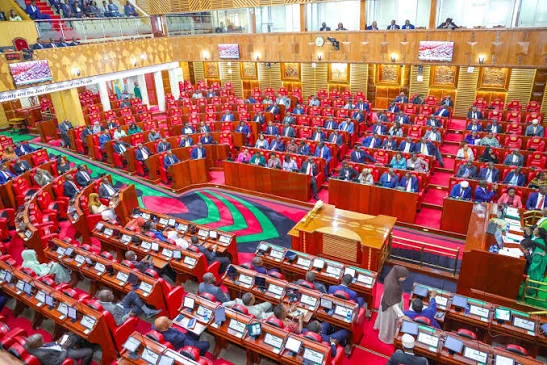
The National Assembly approved the Excise Duty (Remission of Excise Duty) Regulations, 2026, which were tabled by National Treasury Cabinet Secretary John Mbadi in August. The House backed the proposals unanimously.
Under the new framework, the Treasury Cabinet Secretary will have the authority to grant full or partial excise duty remission to manufacturers of beer, spirits and wine whose products are made using locally grown agricultural materials other than barley.
The previous arrangement largely favoured beer producers, leaving manufacturers of spirits and wine outside the expanded incentives despite the availability of other local crops that can be used in alcohol production.
Gichugu MP Gichimu Githinji, who presented the regulations for approval, said expanding the tax relief would help address the dangers associated with illicit alcoholic drinks by supporting the production of affordable and regulated alternatives.
"A safe, affordable and regulated product is the most practical answer to the illicit brew problem that continues to claim lives.
It is for those reasons that the Committee recommends that the House approves these Regulations," Mr Gichimu said.
Kathiani MP Robert Mbui supported the proposal, noting that the expanded incentives would give farmers growing sorghum, millet and cassava a wider market for their produce.
He said Parliament had a responsibility to support measures that would improve the livelihoods of local farmers while encouraging the manufacture of safer alcoholic products.
"It is beneficial to local farmers of sorghum, millet, cassava and other agricultural products that are used to manufacture alcohol. We should, as a House, approve the Regulations because they are beneficial to our farmers," he said.
Mbui further argued that reducing the tax burden on manufacturers could bring down the prices of legally produced alcoholic drinks, making them more competitive against illicit brews.
Webuye MP Dan Wanyama also supported the regulations, saying the expanded incentives would give local industries a reason to increase their production capacity.
He pointed out that increased manufacturing activity could generate employment for young people while strengthening demand for agricultural products supplied by local farmers.
To qualify for the remission, however, manufacturers will be required to meet specific tax, licensing and production standards.
Among the conditions is that companies must be compliant with their tax obligations, possess valid excise licences and operate using the Electronic Tax Invoice Management System and Excisable Goods Management System (EGMS).
The regulations also require manufacturers to obtain at least 75 per cent of the agricultural materials used in their products from local sources.
In addition, the reporting system will change, with manufacturers required to submit production returns quarterly rather than every month as provided for under the previous arrangement.
The reports will include flow meter data, which will form part of the monitoring requirements for companies benefiting from the tax incentives.
The new framework also extends the existing 80 per cent excise duty remission, which had previously been available to qualifying beer manufacturers, to eligible producers of spirits and wine.
The extension follows changes made through the Tax Laws (Amendment) Act, 2024, which established the legal provisions needed to widen the remission programme to cover other alcoholic drinks.
The 2026 regulations will replace the 2017 framework, setting out revised eligibility conditions and clearer procedures for monitoring manufacturers and checking compliance with the tax relief requirements.
Through the changes, the government seeks to encourage manufacturers to rely more on locally produced agricultural materials, expand opportunities for farmers and promote the availability of affordable, regulated alcoholic drinks as part of efforts to combat illicit alcohol.