Women human rights defenders in Kenya face rising threats, says coalition leader
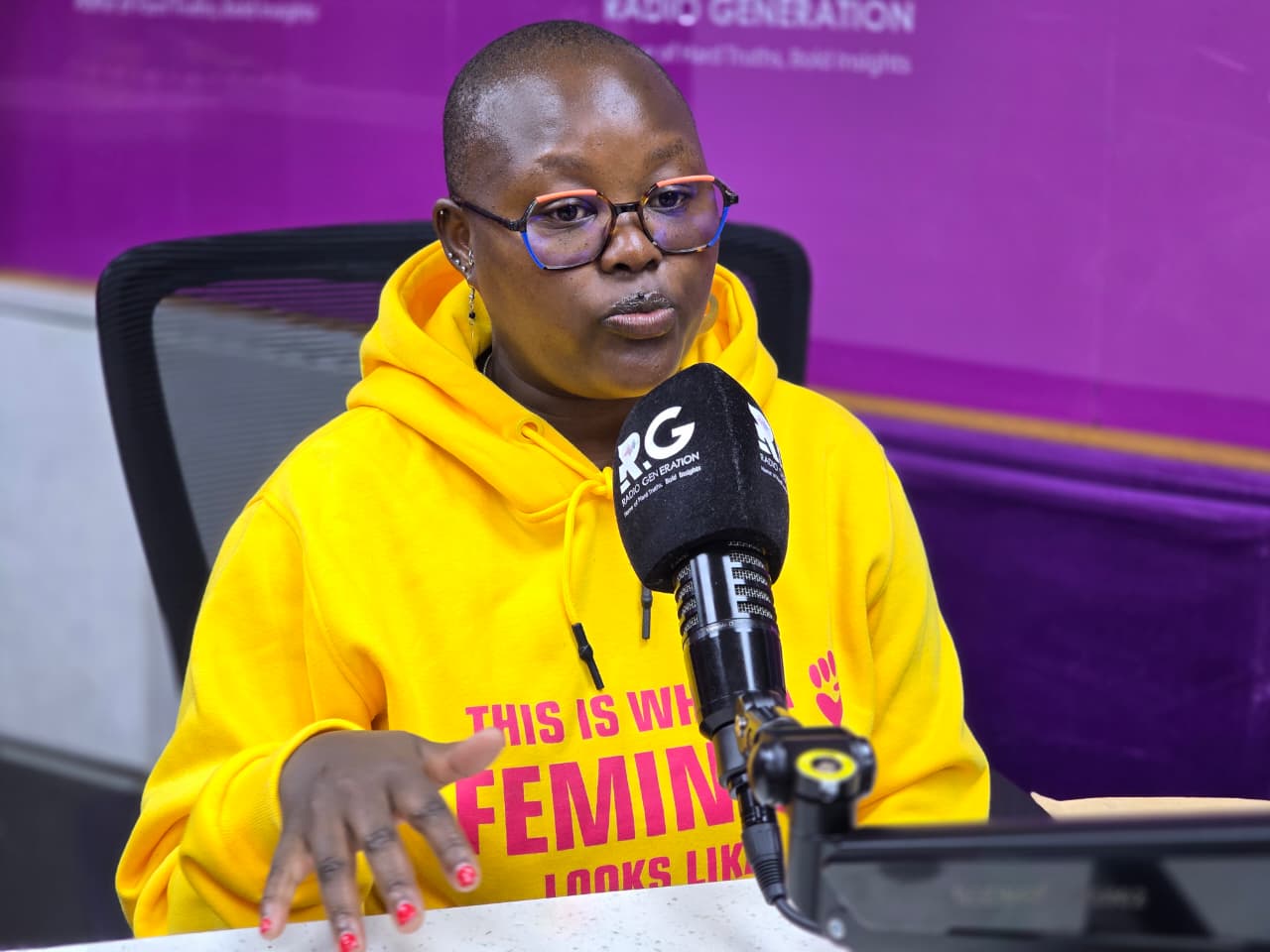
Activists navigating these risks face shrinking civic spaces, targeted abductions, and systemic impunity, particularly in law enforcement and government offices.
Kenya’s women human rights defenders are operating under increasing threats, intimidation, and violence, according to Rachael Mwikali, Executive Director of the Coalition for Grassroots Human Rights Defenders.
Activists navigating these risks face shrinking civic spaces, targeted abductions, and systemic impunity, particularly in law enforcement and government offices. Despite these obstacles, grassroots women continue to organize, campaign for equality, and challenge patriarchal structures across the country.
Speaking on Tuesday, Mwikali described her movement as a social force comprising feminist activists, community organizers, and grassroots defenders working in both informal settlements and rural areas. She highlighted that the group’s primary focus is dismantling patriarchal systems and advocating for equal rights for women and girls.
“The space for civic engagement is shrinking,” Mwikali said, noting that activists increasingly face intimidation, surveillance, and harassment. She cited incidents across East Africa, including deportations and travel restrictions targeting human rights defenders. “We have seen activists deported or stopped from leaving the country, and in Kenya, women have been abducted or intimidated in the course of their work,” she added.
Mwikali underscored that women activists face compounded challenges compared to men. Public protests and demonstrations often expose them to gender-based violence and harassment. “During International Human Rights Day, many women activists were sexually abused by the police while attempting to protest, even after complying with the notification requirements under the Public Order Act,” she said.
The Executive Director linked these challenges to systemic impunity and deeply entrenched patriarchal norms. She noted that while men also experience oppression, women defenders face greater risks both in public spaces and at home. Mwikali pointed to the handling of femicide cases as a key example of systemic failure, including instances where those in leadership allegedly failed to act against known perpetrators.
Law enforcement practices remain a major concern. While most officers strive to perform their duties, a culture of impunity allows some to abuse power, engage in corruption, or block accountability. “The doing right that they are trained to do went out the window for some, but the vast majority continue to serve,” Mwikali said.
The culture of impunity extends beyond the police into government offices, where bribery and informal facilitation persist despite digitalization efforts. Mwikali stressed the need to reform entrenched practices that enable corruption and systemic abuse.
Despite these challenges, Mwikali lauded the resilience of women human rights defenders. “Women are organizing, even in the face of violence at home and in public spaces,” she said, highlighting the active participation of young men and women in advocating for equality. Activists continue to challenge patriarchal structures, combat femicide, and defend civic spaces.
The Coalition also emphasizes intergenerational learning and public accountability, recognizing law enforcement officers and government staff who uphold ethical standards. Mwikali stressed that collective action and public support are essential to safeguarding activists, journalists, and others who speak truth to power.
Through grassroots mobilization, public advocacy, and participation in national task forces, women human rights defenders continue to advance gender equality and human rights in Kenya, even under persistent threats. Mwikali’s remarks illustrate the complex challenges posed by patriarchy, impunity, and institutional barriers shaping the work of women activists in the country today.


Comments
Sign in with Google to comment, reply, and like comments.
Continue with Google