Government to install Sh45 billion solar systems in schools nationwide
The initiative is designed to reduce reliance on conventional power sources while building a long-term shift toward sustainable energy. According to him, schools were selected because they are widely distributed and already have infrastructure that can support the installations.
The government will spend Sh45 billion to install solar power systems in schools across the country as part of a national plan to expand clean energy production and strengthen electricity supply.
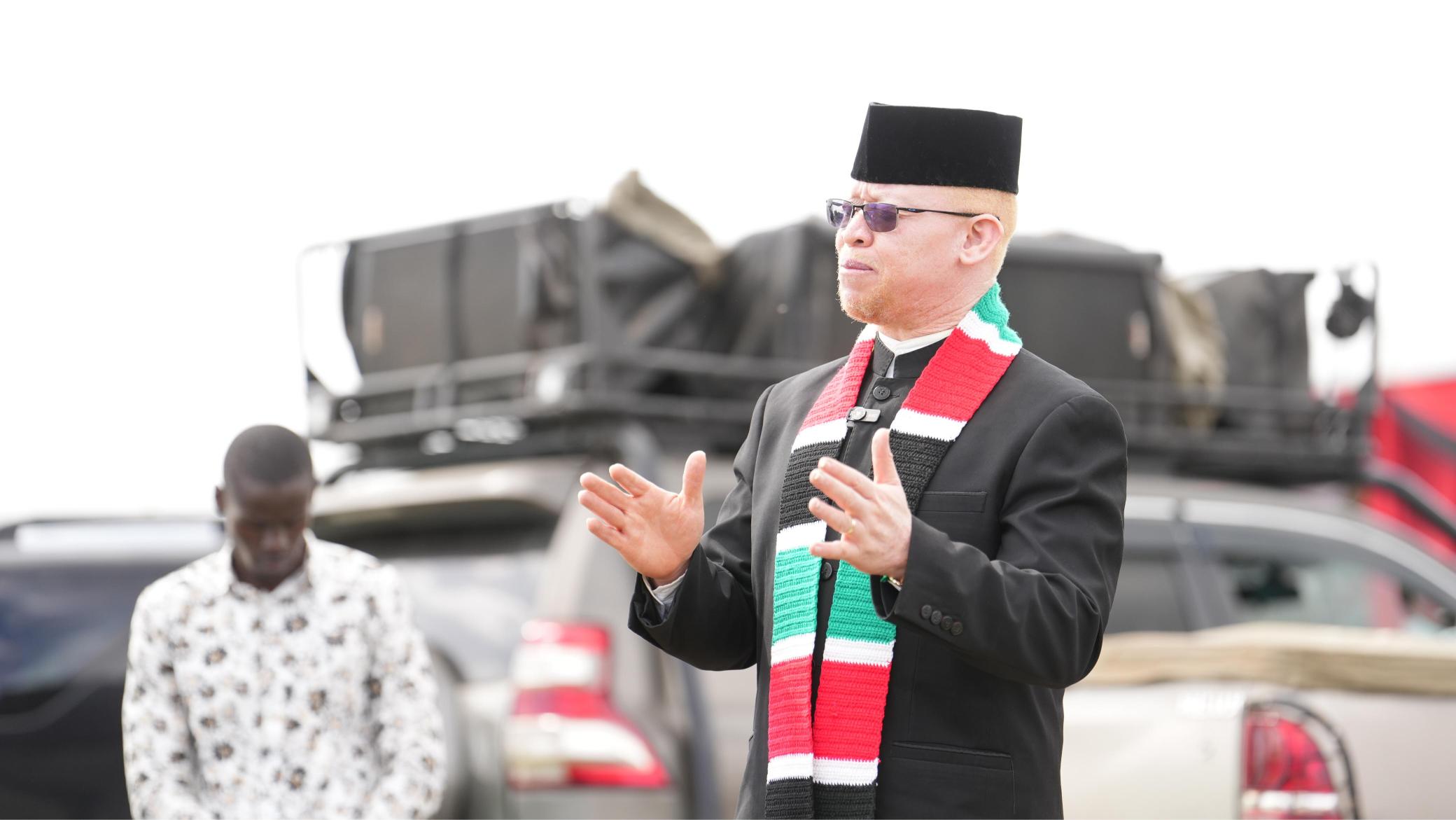
Government Spokesperson Isaac Mwaura on Friday said the programme will use schools as starting points for renewable energy generation, with the first phase expected to produce up to 15 megawatts.
He said the initiative is designed to reduce reliance on conventional power sources while building a long-term shift toward sustainable energy. According to him, schools were selected because they are widely distributed and already have infrastructure that can support the installations.
Mwaura said that if the pilot phase succeeds, the project could expand significantly, reaching up to 15,000 megawatts in total output. “If successful, the programme has the potential to scale up to 15,000 megawatts, significantly boosting the country’s power supply while promoting green energy,” he said.
He added that Kenya is also studying global renewable energy developments, pointing to China’s offshore wind projects that generate power for tens of thousands of households.
“Wind energy is the future, and Kenya is well endowed with abundant wind resources that we must harness,” he said.
Alongside the solar rollout, the government plans to construct its first nuclear power plant in Siaya County, with construction expected to begin by March next year. The Sh500 billion project is expected to produce about 2,000 megawatts of electricity.
“The nuclear plant will provide reliable base-load power to complement renewable energy sources and support the country’s industrial growth,” he said.
In the transport sector, Mwaura said the World Bank has approved Sh71 billion for the upgrading of the Isiolo-Mandera Highway, a project expected to improve access to the northeastern region.
The road will cut travel time from Nairobi to Mandera from three days to one and improve movement of goods and services across the region.
“This road will open up the region for trade, ease the movement of goods and people, and create new investment opportunities,” he said.
He said the combined projects are aimed at boosting economic growth and improving living standards across the country.
“These investments are about building a sustainable and resilient economy while ensuring no region is left behind,” he said.




Comments
Sign in with Google to comment, reply, and like comments.
Continue with Google