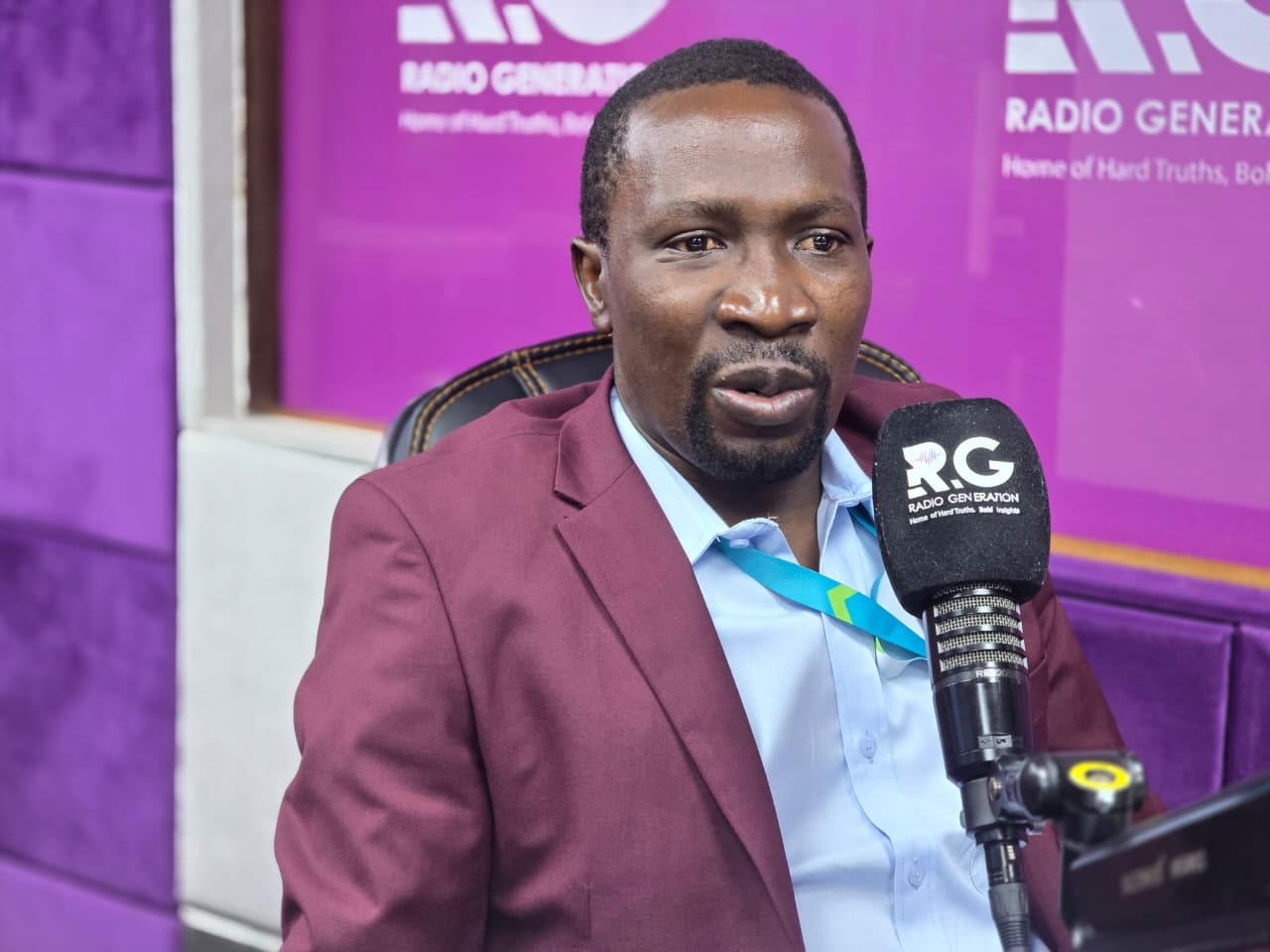
A leading cancer and biomedical researcher is urging scientists in Kenya to rethink how they share medical knowledge, saying that failure to explain health issues in simple terms is weakening disease prevention and limiting public response to key interventions.
Principal Research Scientist and oncologist at the Victoria Biomedical Research Institute, Dr. Victor Oria, said many experts remain distant from the realities of the people they are meant to serve, leading to confusion and low acceptance of health programmes.
He made the remarks during an interview on Radio Generation on Tuesday, where he said there is often an assumption within the scientific community that health information is already widely understood.
Latest Stories
- Ruto downplays viral English comments, sends message to Nigeria
- JSC begins Supreme Court judge recruitment after Justice Ibrahim’s death
- KNUT warns funding delays hurting free education delivery
- KNUT raises alarm as 2025 exam workers wait months for payment
- Ruto pushes back on criticism of joint oil project involving four countries
“Many of us scientists… need to come off our high horse,” he said. “Sometimes we live in our heads and think that whatever I know… everybody knows.”
Dr. Oria cited cervical cancer prevention as one of the areas most affected by low public awareness, particularly the HPV vaccine.
“You ask them… have they taken the HPV vaccine? They ask you, ‘what does that treat… what is that?’ They’ve never heard of it,” he said, noting that many national health strategies do not land well in communities that lack basic information about the diseases being targeted.
He also pointed out that economic and social pressures shape how people respond to health advice, often pushing preventive care to the background.
“The person from my village has a problem with simply getting a regular supply of water… has to walk maybe two kilometres to the nearest clinic… sometimes it has no medicine,” he explained.
According to him, the communication gap is not limited to cancer, but also affects how patients manage long-term treatment for diseases such as malaria, HIV and tuberculosis.
“You’ve been given a dose… you’re supposed to take this for 14 days… they take it for three days, feel better, they stop,” he said. “That is how drug resistance begins… because we’ve not informed people enough.”
Dr. Oria said research work should not end in academic journals, but must be translated into everyday understanding that benefits the public directly.
“It makes no sense to do research, publish it in a high-end journal… and then expect impact,” he said. “We should do more than being in our labs… it should also be about communicating what we do to people.”
He encouraged scientists to explore simpler and more creative ways of reaching communities, including informal public forums and interactive learning spaces.
Reflecting on practices from other countries, he said public engagement in science can be made more relatable and engaging.
“In cafes, in bars, you have science concerts… professors go there and explain what they do… and no wonder public perception towards research is very high.”
Dr. Oria stressed that narrowing the gap between science and society is key to improving health outcomes and building trust in medical interventions.
Data from the World Health Organization Regional Office for Africa and Kenya Medical Research Institute shows Kenya introduced a single-dose HPV vaccine in 2025 to improve coverage. However, vaccination levels remain low, with only about 30% of girls fully vaccinated and some areas reporting less than 1% uptake, mainly due to poor awareness, misinformation and limited access.
The vaccine is provided free and is highly effective, but health experts say myths, especially those linked to fertility, and lack of understanding about cervical cancer continue to slow progress in prevention efforts.

Comments
Sign in with Google to comment, reply, and like comments.
Continue with Google