Trump escalates trade pressure on Europe, sets 25% tariff on imported cars and trucks
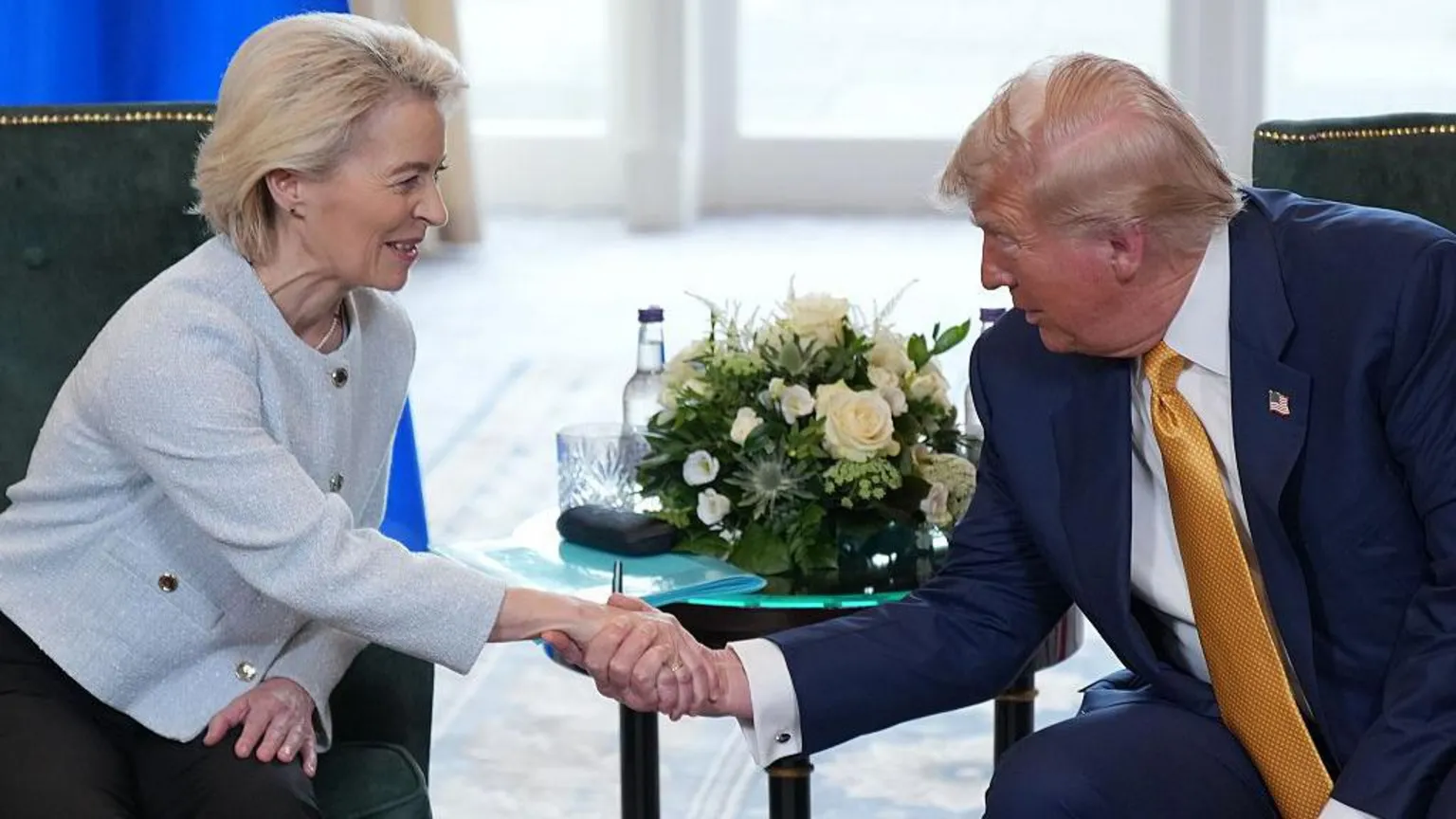
In a statement shared on his Truth Social platform on Friday, Trump said the European Union had failed to meet its obligations under an existing trade arrangement, although he did not give specific details on the alleged breach.
United States President Donald Trump has moved to sharply increase tariffs on vehicles coming from the European Union, announcing a 25 percent charge on cars and trucks and reigniting tensions between Washington and Brussels just months after both sides signed a trade agreement.
In a statement shared on his Truth Social platform on Friday, Trump said the European Union had failed to meet its obligations under an existing trade arrangement, although he did not give specific details on the alleged breach.
"I am pleased to announce that… next week I will be increasing Tariffs charged to the European Union for Cars and Trucks," Trump said.
The decision places Europe’s automotive industry at the centre of a renewed trade dispute, given its major role in manufacturing and exports across the continent.
The announcement comes less than a year after the United States and the EU agreed on a deal during talks held at Trump’s Turnberry golf course in Scotland. That agreement set tariffs on most European goods at 15 percent, easing earlier threats by Trump to impose duties as high as 30 percent under his “Liberation Day” trade policy.
As part of that deal, European countries also committed to increased investment in the US and policy changes intended to support American exports.
However, relations between the two sides have remained strained. Disagreements grew in the months that followed, including political friction linked to Trump’s comments about Greenland, a self-governing territory under Denmark.
Those tensions contributed to the European Parliament delaying approval of the agreement in January. Although the deal was later approved in March, lawmakers added a safeguard clause allowing suspension if the US undermined the deal’s objectives, discriminated against European firms, or threatened member states’ political and economic interests.
Since then, negotiations have again slowed, with disputes emerging over steel and aluminium tariffs. Key European economies such as Germany and France have opposed US proposals to adjust duties across several product categories.
Reacting to Trump’s latest announcement, the European Commission said it remained committed to the agreement but was still seeking clarity from Washington on its actions.
"We will keep our options open to protect EU interests," the Commission said.
It added that the EU was implementing the deal “in line with standard legislative practice, keeping the US administration fully informed throughout”.
The Commission also stressed its continued commitment to stable relations, saying: "We remain fully committed to a predictable, mutually beneficial transatlantic relationship. Should the US take measures inconsistent with the Joint Statement, we will keep our options open to protect EU interests".
Trump, however, defended the tariff increase and insisted the EU was not meeting its obligations under the deal.
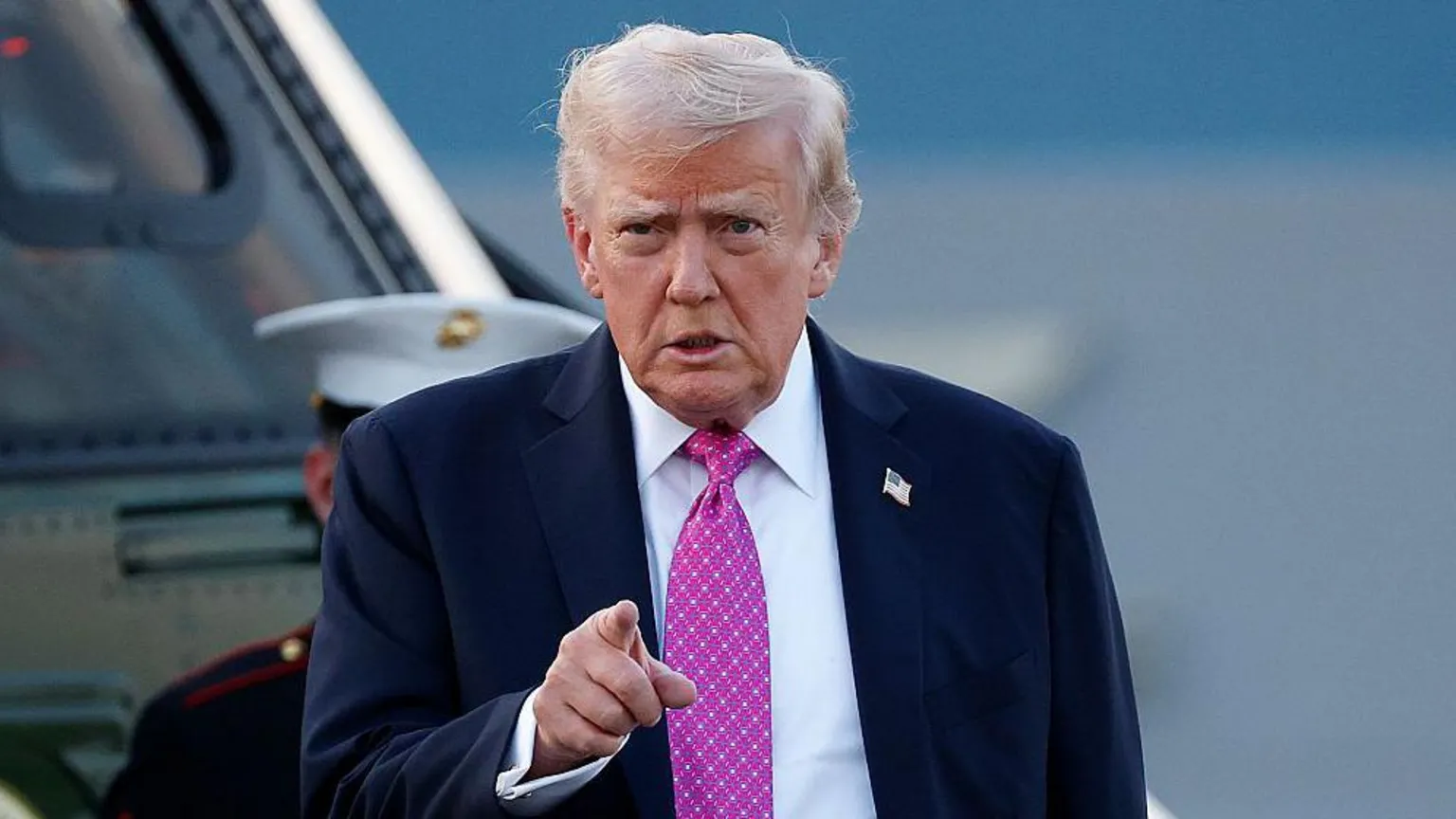
"We have a trade deal with the European Union. They were not adhering to it. So I raised the tariffs on cars and trucks," he said while speaking to reporters.
He also called on European carmakers to move production into the United States to avoid the new tariffs.
"It is fully understood and agreed that, if they produce Cars and Trucks in U.S.A. Plants, there will be NO TARIFF," he said.
Trump further claimed that the US was experiencing record levels of investment in its auto manufacturing sector.
"There has never been anything like what is happening in America today," he said.
The move has drawn strong criticism from European lawmakers. Bernd Lange, who chairs the European Parliament’s international trade committee, said the US action showed unpredictability in its approach to trade.
"President Trump's behaviour is unacceptable," he said.
He dismissed claims that the EU was failing to implement the agreement, adding that the Parliament was working to complete the necessary legal steps by June.
Lange also said the US had repeatedly gone against the spirit of the deal, pointing to tariffs on products containing steel and aluminium that he said averaged 26 percent.
"This latest move demonstrates just how unreliable the US side is. We have already witnessed these arbitrary attacks from the US in the case of Greenland; this is no way to treat close partners. Now we can only respond with the utmost clarity and firmness, drawing on the strength of our position," he said.
Trade analyst Simon Evenett said the development would likely deepen doubts about Washington’s reliability in global trade agreements.
"Those who reckon that this [US] Administration can't stick to any deal will feel vindicated," he said.
"Mind you, social media posts aren't law, so Brussels will want to see the fine print before deciding to hit back."
Trump’s earlier “Liberation Day” tariffs, imposed under emergency powers, were later ruled illegal by the Supreme Court, leading to refund claims from affected companies. However, the new vehicle tariffs fall under a separate legal framework and are not affected by that ruling.


Comments
Sign in with Google to comment, reply, and like comments.
Continue with Google