AU warns Gulf escalation may worsen fuel prices, inflation across Africa

The Chairperson of the Commission, Mahmoud Ali Youssouf, expressed “deep concern over the renewed escalation in the Gulf region,” pointing to recent attacks attributed to Iran targeting neighbouring states such as the United Arab Emirates.
The African Union Commission has raised alarm over rising tensions in the Gulf, warning that the situation could quickly translate into economic strain across Africa as energy markets react to the instability.
In a statement released from Addis Ababa on May 5, 2026, the Commission said renewed hostilities, including drone and missile strikes and disruptions to key shipping lanes, are already pushing up fuel costs and placing pressure on economies that depend on imported oil.
The Chairperson of the Commission, Mahmoud Ali Youssouf, expressed “deep concern over the renewed escalation in the Gulf region,” pointing to recent attacks attributed to Iran targeting neighbouring states such as the United Arab Emirates.
The statement also highlighted ongoing interference with maritime movement through the Strait of Hormuz, a vital global route that carries a large share of the world’s oil supply. According to the AU, any disruption in this corridor has far-reaching consequences for global energy markets.
The Commission cautioned that the unfolding situation risks further instability in the Gulf while triggering “direct and serious repercussions on global energy markets.”
For African countries, the effects are already being felt. The AU noted that economies across the continent are facing “rising fuel prices, increased inflationary pressures, and heightened economic vulnerability” as global oil prices react to the tensions.
Many African nations rely heavily on imported petroleum products, leaving them exposed to sudden price changes in international markets. As costs rise, the impact is expected to spread across sectors, from transport to food prices, worsening inflation.
Youssouf called for “immediate de-escalation, the cessation of attacks against sovereign states, and full respect for freedom of navigation in accordance with international law.”
He also urged all parties to prioritise diplomacy, stressing that dialogue remains the only viable route to lasting stability.
The AU reaffirmed its position on peaceful conflict resolution, warning that instability in key global trade routes does not remain contained but instead spreads through interconnected markets, affecting regions far beyond the conflict zone.
It further noted that volatility in oil supply routes such as the Strait of Hormuz often leads to sharp shifts in global prices. For African economies that depend on imports, this translates into higher fuel and transport costs, increased food prices, and wider inflationary pressure.
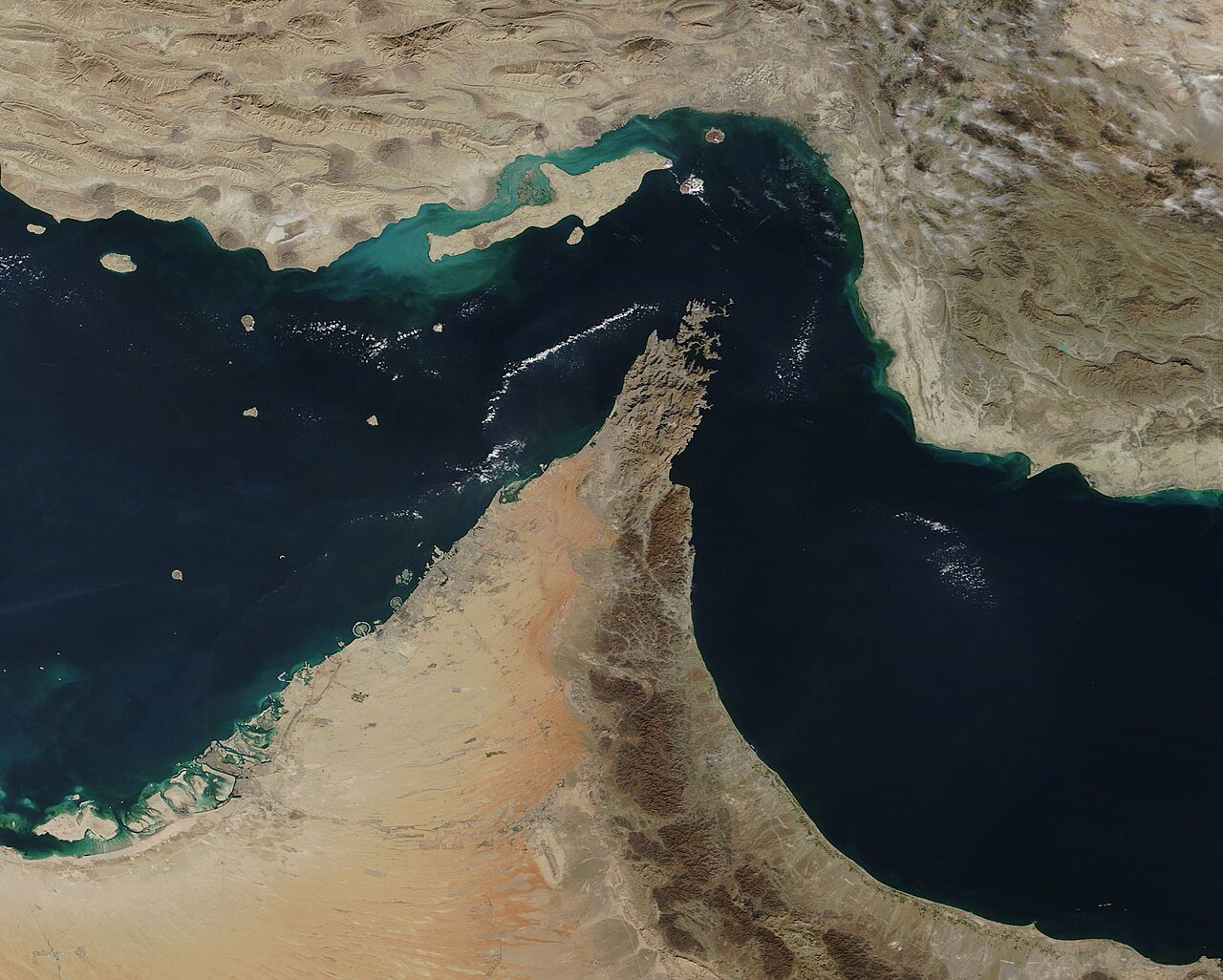
Strait of Hormuz.
PHOTO/HANDOUT
The Commission warned that these combined challenges could deepen existing economic difficulties, especially as many countries continue to recover from earlier global supply chain disruptions and rising debt burdens.
Beyond economic risks, the AU stressed the need to uphold international law, particularly the principle of free navigation. It said continued attacks on shipping routes and sovereign territories threaten global trade systems and overall stability.
The statement also underlined Africa’s exposure to global geopolitical tensions, noting that energy security remains a major weak point for many countries on the continent.
With most nations relying on imported refined fuel, external shocks such as those linked to the Gulf crisis can quickly affect domestic economies.
The African Union renewed its call for restraint and engagement among all parties involved, urging a shift from military action to negotiation.
It maintained that only through dialogue can lasting peace be secured in the Gulf and the wider global economy protected from further disruption.
The Commission concluded by calling for international cooperation to shield African economies from the fallout of external conflicts, warning that prolonged instability in global energy routes will continue to drive up costs and strain vulnerable economies.


Comments
Sign in with Google to comment, reply, and like comments.
Continue with Google