IPOA pushes for tougher action against police commanders over abuses
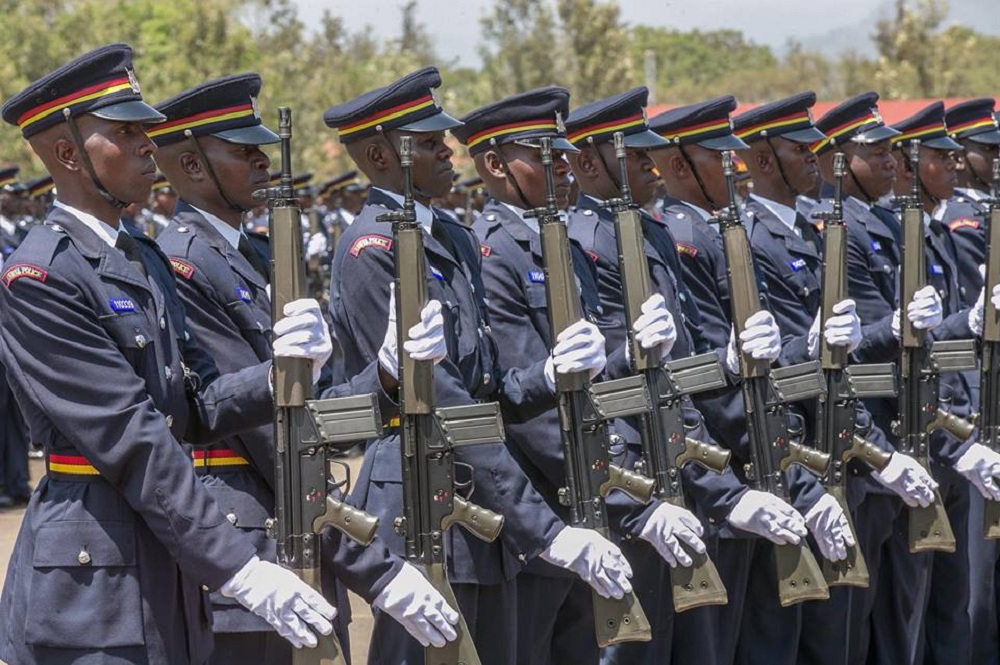
IPOA argued that senior officers shape critical operational decisions such as deployment of officers, crowd control methods, supervision of field operations, and rules guiding use of force.
Police commanders may soon be held directly answerable for abuses committed by officers under their watch if proposals by the Independent Policing Oversight Authority (IPOA) are adopted by Parliament.
The proposals were discussed during a meeting between IPOA officials and the National Assembly Committee on Administration and Internal Security, where the authority pushed for legal changes aimed at preventing violations before they occur rather than reacting after harm has already been done.
IPOA argued that senior officers shape critical operational decisions such as deployment of officers, crowd control methods, supervision of field operations, and rules guiding use of force. It warned that weak leadership decisions can expose the public to avoidable harm during security operations, especially protests.
Committee chair Gabriel Tongoyo, MP for Narok West, said there are already legal provisions assigning responsibility to officers in charge of police stations and operations, questioning whether new laws are necessary.
“In my mind, we already have provisions under the National Police Service Act assigning responsibility, especially to officers commanding stations,” Tongoyo said.
“What we need now is a clear mapping of what exists, where the gaps are, and what exactly needs to be fixed.”
IPOA commissioner Kenwilliam Nyakomitah told lawmakers that existing laws focus mainly on reporting misconduct after it happens, rather than forcing senior officers to prevent it in the first place.
He said this leaves a major gap in accountability, especially where commanders are aware of planned or likely misconduct but are not legally required to intervene.
“There is currently no criminal sanction for a superior officer who fails to prevent misconduct,” Nyakomitah said.
“A superior officer may know what is being planned and what is likely to happen, but the law does not compel them to act to stop it. That is the gap we must address.”
Nyakomitah insisted that commanders should be legally bound to prevent, stop, and report misconduct, arguing that such responsibility would encourage more proactive leadership within the police service.
“If a superior officer fails to act despite having knowledge, then there should be consequences. That would ensure these incidents do not occur in the first place,” he said.
The discussions also highlighted deep concerns over the Internal Affairs Unit within the National Police Service, which IPOA described as weak, unstable, and lacking public trust.
IPOA director of complaints Ruth Kaguta said most complaints received by the oversight authority involve police behaviour and could be handled internally if the unit was properly functioning.
She said cooperation between IPOA and the Internal Affairs Unit has been difficult due to frequent leadership changes, lack of independence, and growing mistrust from the public.
“Unfortunately, the unit is almost dysfunctional,” she said. “Frequent leadership changes, lack of independence, and public distrust have made it difficult for us to collaborate or off-load cases.”
Kaguta added that repeated restructuring within the unit has disrupted its operations and slowed down accountability processes.
“There have been constant leadership changes, and in some instances we are told meetings cannot even take place due to reorganisations,” she said.
She also noted that many complainants do not trust the unit because it operates under the command structure of the Inspector General.
“Complainants come back to us saying they do not trust how their cases are handled. The unit is not independent, and that affects its credibility,” she said.
The meeting further examined proposals in the draft Public Order Management Bill, including a suggestion to move control of public gatherings from police officers to national government administrators.
IPOA deputy director of legal services Festus Kinoti opposed the idea, warning it would conflict with the Constitution and interfere with established police command systems.
“Public order management is strictly a policing function under the command of the Inspector General,” Kinoti said. “Transferring that role would create a constitutional conflict and weaken civilian oversight.”
IPOA chief executive Elema Halake urged the police service to embrace modern technology to improve accountability, transparency, and efficiency in operations.
He said IPOA has consistently recommended tools such as digital reporting systems, CCTV surveillance, and body-worn cameras, but implementation has faced resistance within the service.
“We have consistently recommended the adoption of technology—from digital occurrence books to CCTV surveillance and body cameras,” Halake said.
“There has been huge resistance, yet this is key to improving transparency and addressing manpower challenges.”
Halake also raised concern over the continued formation of specialised police units without clear regulatory frameworks, warning that such units could operate outside proper oversight structures.
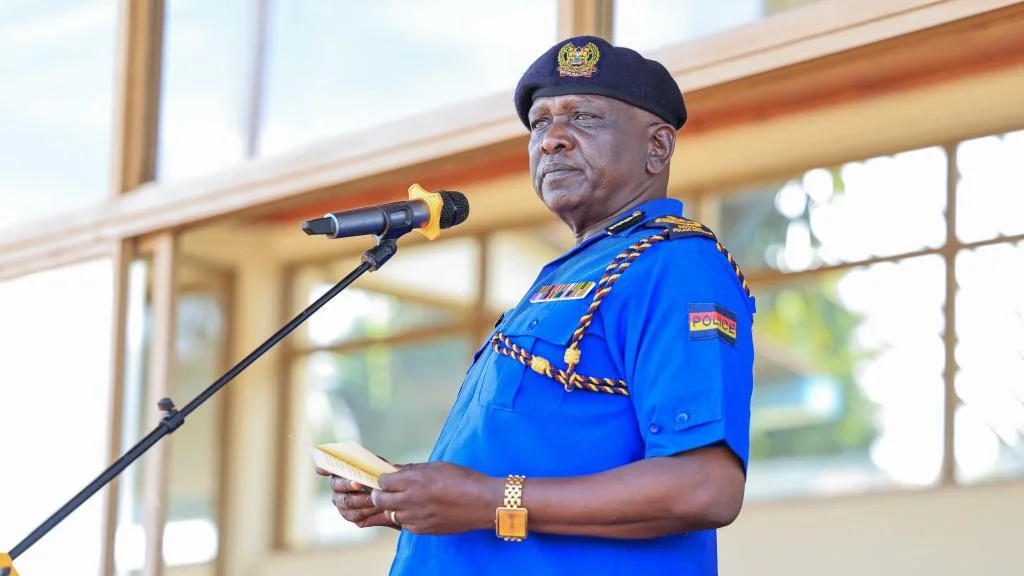 The Inspector General of the National Police Service Douglas Kanja

Comments
Sign in with Google to comment, reply, and like comments.
Continue with Google