MPs probe 27,000 tonnes raw sugar import linked to Mombasa sugar refinery
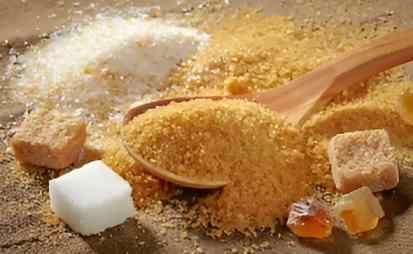
The National Assembly Trade committee has launched investigations into an imported raw sugar consignment linked to Mombasa Sugar Refinery after concerns over traceability, safety details, and movement from Mombasa to Nairobi and Kisumu.
A shipment of imported raw sugar under scrutiny has triggered fresh concern among members of the National Assembly after questions emerged over its safety, traceability, and movement across different parts of the country, prompting a wider probe into how the consignment was handled from entry point to storage and distribution.
The National Assembly Committee on Trade, Industry and Cooperatives has opened investigations into a disputed consignment linked to Mombasa Sugar Refinery Limited, following inspections at key storage and transit points, including the Nairobi Freight Terminal (NFT) Autoport and earlier checks at a bonded warehouse operated by the Kenya Ports Authority in Mombasa.
During the inspections, lawmakers established that out of about 27,000 metric tonnes of raw sugar imported by Mombasa Sugar Refinery Limited, part of the stock had already been moved from Mombasa, with about 3,900 metric tonnes transported to Kisumu and around 2,500 metric tonnes currently held at the NFT Autoport in Nairobi.
Concerns deepened after it emerged that the sugar lacked key details such as date of manufacture and expiry date, raising questions among members on how it was cleared for entry and whether it met required safety standards for either consumption or processing.
Officials from the Kenya Bureau of Standards (KEBS) told the committee that the sugar was brought in as a raw material meant for industrial processing and not for direct human consumption, defending the clearance process at the port of entry.
However, lawmakers expressed doubts over the explanation, questioning whether the absence of production details could point to possible risks even before processing.
Committee Chairperson MP Bernard Shinali (Ikolomani) raised concern over the unknown origin timeline of the product.
“It is not known when the extraction of the raw sugar was done, and it is therefore possible that it could already be expired even for processing purposes,” Shinali observed.
Gichugu MP Robert Gichugu Gichimu demanded clarity on how the commodity would be secured to avoid diversion into the market before processing.
“How can the stock in the warehouse be safeguarded to ensure it strictly goes to the factory and does not end up in the market in its raw form?” he posed.
Attention also turned to the movement of the sugar from Mombasa to Nairobi and Kisumu, with Hon. Beatrice Adagala questioning why part of the consignment was routed through Nairobi instead of being delivered directly to Kisumu, where Mombasa Sugar Refinery Limited operates.
The Committee also heard from officials of the Kenya Sugar Board, who stated that none of the imported sugar had undergone processing, adding that Kibos Sugar Company was under maintenance and therefore there was no steam to be used by Mombasa Sugar Refinery Limited for the manufacture of industrial sugar.
Despite this explanation, lawmakers raised further concern over why thousands of tonnes had already been moved to Kisumu while the factory was said to be inactive.
The Head of the Multi-Agency Team and Director at the Kenya Sugar Board, Samuel Kemboi, faced further questioning as members sought to understand the logic behind the movement of the consignment under the stated circumstances.
Some members warned that the pattern of movement could raise suspicion that the sugar might be repackaged and released into the market in its raw form instead of being processed as claimed.
As the discussion intensified, MP Shinali called for immediate action to pause any activity linked to the consignment until investigations are completed.
“We want any activity in relation to the processing of the said sugar stopped immediately until all investigations are concluded and clarity on the safety of the sugar is ascertained,” he said.
The committee is now expected to continue its inquiry, focusing on how the sugar was imported, cleared, transported, and stored, while also assessing whether existing safeguards are strong enough to protect consumers and ensure full compliance before any release into the market.



Comments
Sign in with Google to comment, reply, and like comments.
Continue with Google