Kenya sugar production jumps 56.7% as retail prices drop by Sh32
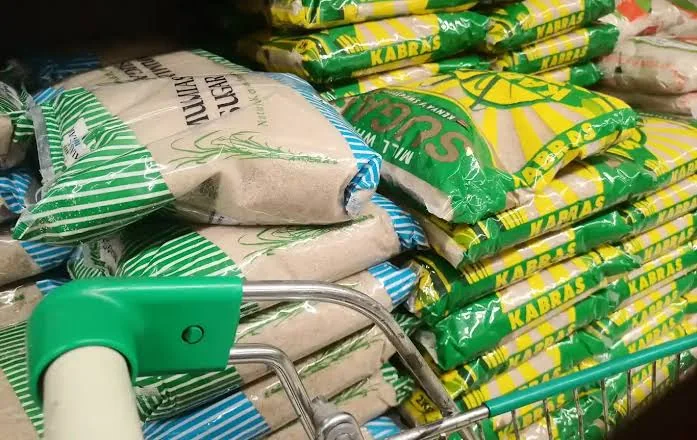
Data from the Kenya Sugar Board shows that the country produced 690,521 tonnes between January and September 2026, up from 440,652 tonnes recorded during a similar period in 2025.
In a public notice dated October 30, 2026, the Elections Committee confirmed the polling date, marking a key stage in the process of selecting grower representatives to the board.
Rice, sugar and milk made up the biggest share of the goods that entered the country outside formal import procedures, with their combined value reaching Sh145 million. Rice was valued at Sh63 million, followed by sugar at Sh45 million and milk at Sh37 million.
Kagwe said the government would continue limiting sugar imports as part of wider efforts to support local producers and make the country’s sugar industry more competitive.
Kibos Sugar, Busia Sugar Industry Limited and Sony Sugar told MPs that Kenya needs duty-remission imports to meet industrial demand for refined sugar, arguing that limited local refining capacity makes refined sugar imports for processing a necessity. They also said smuggling through porous borders poses a bigger threat than legally imported sugar.
The initiative is expected to revive sugarcane farming along the Coast, create thousands of jobs, reduce the country's reliance on imported sugar and stimulate economic activity across Kwale and neighbouring counties.
Data released by the Kenya National Bureau of Statistics (KNBS) shows that sugar production rose by 21.98 per cent to 348,143 tonnes between January and May this year, compared to 285,418 tonnes produced during the same period in 2025.
Appearing before the National Assembly Committee on Trade, Industry and Cooperatives, Mbadi said the exemption from the Import Declaration Fee (IDF) and Railway Development Levy (RDL) followed consultations involving the National Treasury, the ministries responsible for Agriculture and Trade, and other government agencies.
If Parliament approves the changes, all State-backed agricultural loans will be handled by the planned Kenya Agribusiness Development Corporation (Kadco) Limited.
The National Treasury had first proposed a specific excise duty of Sh7.5 per kilogram on imported sugar, with exemptions for sugar meant for pharmaceutical use and licensed refiners.
The National Assembly Trade committee has launched investigations into an imported raw sugar consignment linked to Mombasa Sugar Refinery after concerns over traceability, safety details, and movement from Mombasa to Nairobi and Kisumu.
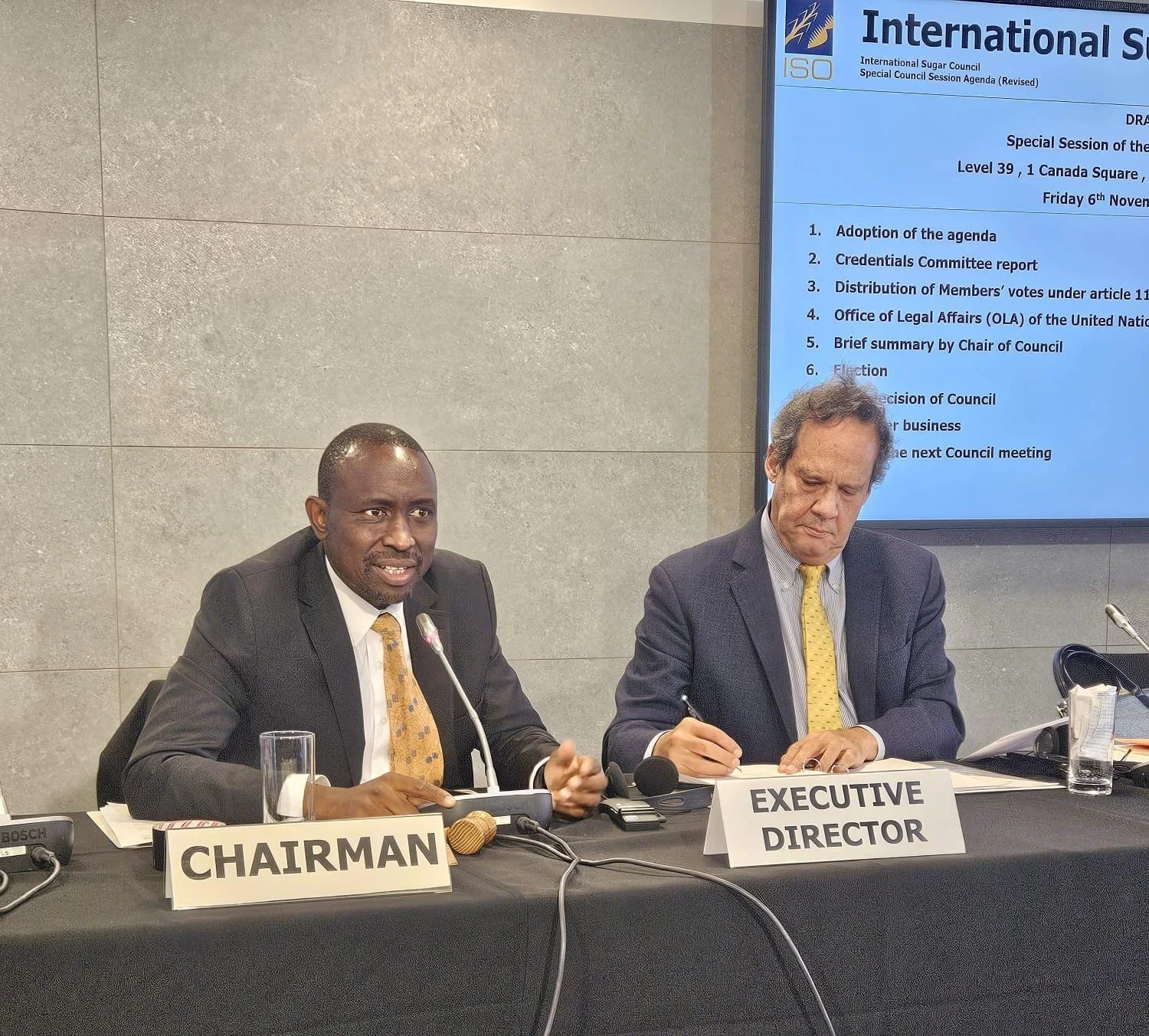
Deputy President Kithure Kindiki opened the 68th International Sugar Organization Seminar at Diani Beach Resort in Kwale County, saying reforms aim to boost efficiency, investment and value addition in Kenya’s sugar sector.
Acting Kenya Sugar Board CEO Jude Chesire said the review came after wide consultations with industry players, leading to a revised minimum price aimed at reflecting current market realities while still protecting farmers.
The Government committed to release Sh1 billion within the next two weeks to ease the workers’ immediate financial hardship, with the balance of the arrears to be settled through the Supplementary Budget and subsequent budgetary allocations, subject to parliamentary approval.
Kenya Sugar Board says sugar prices will stay stable despite a 25% drop in 2025 output, citing factory reforms, cane maturity cycles and dry weather as part of a planned transition.
The safeguard, which lapsed on November 30, 2025, was originally introduced as a temporary, reform-driven measure to stabilize and restructure the industry, and the Kenya Sugar Board says its conclusion reflects the success of the sector’s reforms.
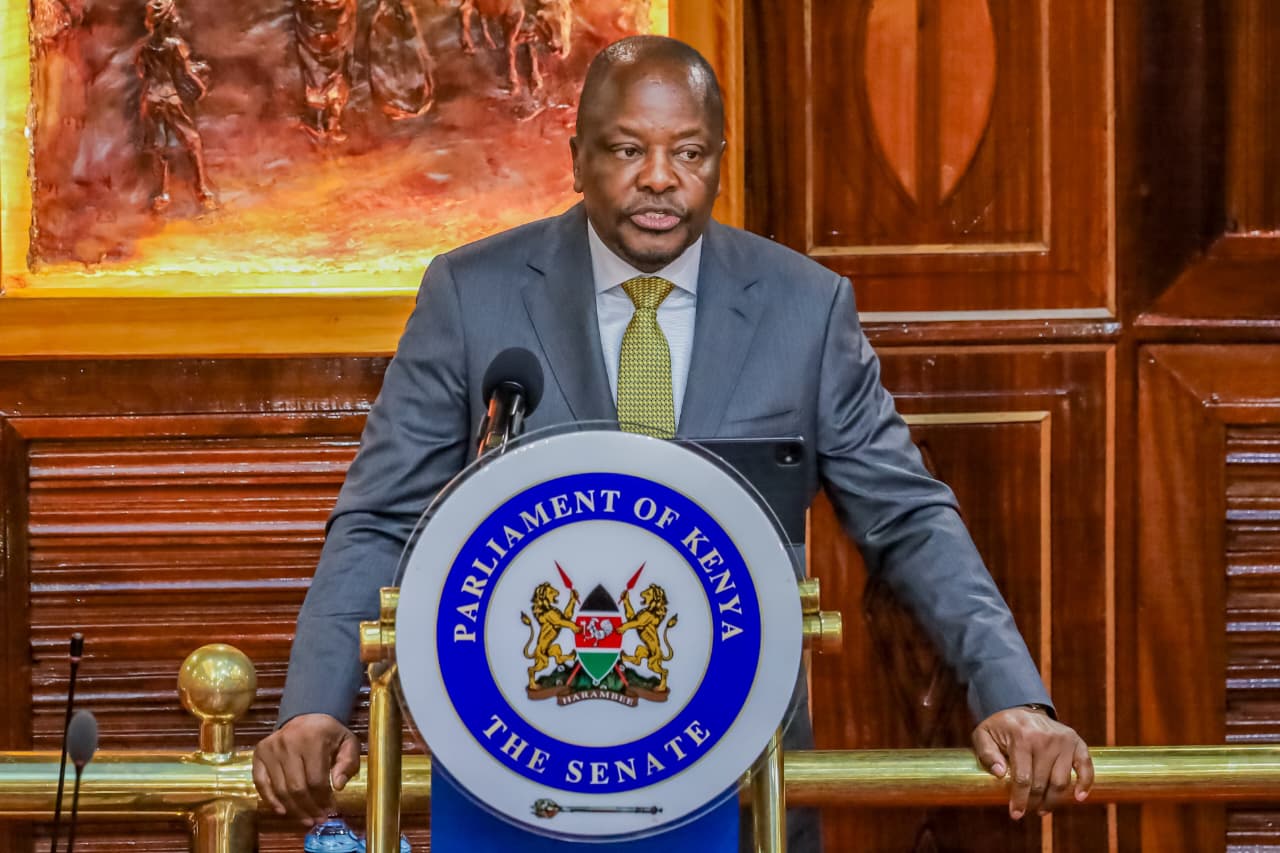
Agriculture CS Mutahi Kagwe told Parliament that private leases of four state sugar mills will modernize production, protect farmers, and see all investments revert to government after 30 years.
Kenya Sugar Board Chairperson Nicholas Gumbo urged millers and other stakeholders to embrace serious reforms, adopt modern technologies, and put farmers at the center of all industry decisions if Kenya is to restore stability and competitiveness.
The directive specifies that only firms meeting the prescribed standards and submitting the required documents will be approved to operate.
Sugarcane generally takes between 16 to 18 months to reach optimal maturity for sucrose accumulation, the key component in sugar production.
This payment aligns with the government’s larger plan to lease four state-owned sugar factories as part of efforts to revive the struggling industry.