Affordable Housing Board tells MPs to tighten crackdown on levy defaulters
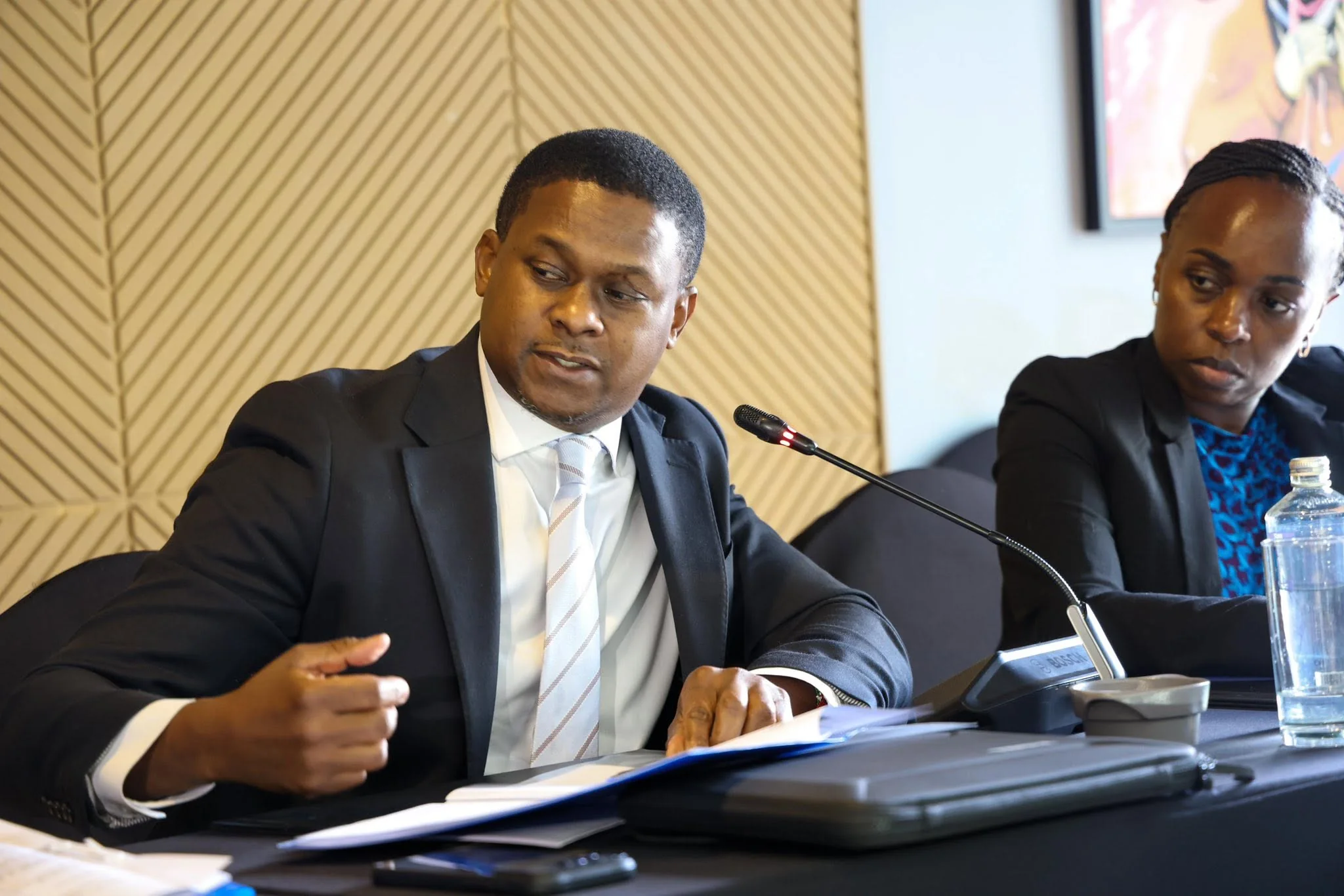
Appearing before the National Assembly Committee on Finance and National Planning during public hearings on the Finance Bill, 2026, the Affordable Housing Fund Board defended the controversial housing levy, sought expanded enforcement powers for the Kenya Revenue Authority (KRA), and pushed back against proposed tax changes that it warned could sharply increase the cost of houses.
The future of Kenya’s affordable housing programme came under intense parliamentary scrutiny on Wednesday as lawmakers questioned the sustainability, accountability and tax structure underpinning the multi-billion-shilling initiative.
Appearing before the National Assembly Committee on Finance and National Planning during public hearings on the Finance Bill, 2026, the Affordable Housing Fund Board defended the controversial housing levy, sought expanded enforcement powers for the Kenya Revenue Authority (KRA), and pushed back against proposed tax changes that it warned could sharply increase the cost of houses.
The session quickly evolved into a broader interrogation of the programme’s long-term viability, with MPs demanding to know whether the levy would eventually come to an end or become a permanent statutory deduction on Kenyan workers.
Led by Committee Chairperson Kuria Kimani (Molo), lawmakers argued that the Fund should ultimately transition into a self-sustaining revolving scheme similar to conventional mortgage financing systems.
The MPs observed that once the housing programme matures, contributions should no longer be necessary to sustain future construction.
But the Board insisted that Kenya’s housing crisis remained too severe to withdraw levy support at this stage.
“There is a deficit that is systemic and which the private sector is not attending to. The Fund would require the support of the Housing Levy until such a time that we are able to close the housing deficit,” Board Chairperson Jeremiah Simu submitted.
The Board revealed that more than 273,000 housing units had either been completed or were under construction, while the programme had created 640,442 direct and indirect jobs.
Even so, lawmakers demanded more detailed statistics to justify the programme’s massive fiscal footprint, despite describing the initiative as transformative and central to the implementation of Article 43 of the Constitution on the right to accessible and adequate housing.
A major flashpoint during the session centred on the Board’s push to grant KRA broader legal authority to pursue housing levy defaulters.
According to the Board, weaknesses in the current law have allowed widespread non-compliance among employers and workers, depriving the Fund of billions in revenue.
“We are currently collecting about 5.6 billion per month, and we believe that if KRA is given the powers to enforcement payment of the Housing Levy, we would collect a further 3 billion.” Simu noted.
Although the Affordable Housing Act, 2024 mandates KRA to collect the levy, the Board argued that the law failed to equip the Authority with adequate enforcement mechanisms to investigate, audit and recover unpaid contributions.
"The Auditor-General's audit of the Affordable Housing Fund found that workers and firms are evading the Levy. KRA itself has acknowledged the limitation, confirming that although it is mandated to collect the Levy, enforcement falls outside its legal mandate," Simu noted.
To address the gap, the Board backed proposed amendments to the Tax Procedures Act that would allow KRA to recover unpaid housing levies as civil debts owed to the government using the same enforcement tools available for ordinary tax collection.
Board officials insisted that the proposal was not meant to introduce a new tax but rather to ensure fairness by preventing compliant workers and employers from carrying the burden of defaulters.
However, MPs questioned whether the expanded mandate would overstretch KRA’s operational capacity.
“What you are asking will give more responsibility to KRA and strain their resources. Would you be willing to cede upto 2 per cent of the collections to enable them do the enforcement?” Kuria Kimani asked.
The hearing also exposed growing concern over proposed tax changes that could significantly alter the economics of affordable housing construction.
The Board strongly opposed Clause 31(a)(vii) of the Finance Bill, 2026, which seeks to remove the current Value Added Tax (VAT) exemption on goods imported or locally purchased for affordable housing projects.
Accompanied by newly appointed Fund Board Chief Executive Officer Joe Mutugu, Simu warned that the proposal would immediately subject construction materials to the standard 16 per cent VAT rate.
According to the Board, construction materials account for nearly 60 per cent of total building costs, meaning the changes could trigger a steep rise in house prices and undermine affordability targets.
The Board told lawmakers that industry estimates project house prices could increase by between 8 and 20 percent if the VAT exemption is removed.
Still, lawmakers expressed concern that some developers could exploit the exemptions for private benefit under the guise of affordable housing projects.
Beyond retaining the current VAT relief, the Fund Board sought additional exemptions covering construction-related services such as contractor and professional fees, which currently attract a 16 per cent irrecoverable VAT.
Mandera MP Umulkheir Kassim sought clarification on the justification for extending the tax incentives.
In response, Board officials argued that maintaining affordability required the entire housing development chain to remain VAT-neutral.
The Board also requested income tax immunity for both the Affordable Housing Fund and the Affordable Housing Board, maintaining that taxing the entities would merely recycle public funds intended for housing projects back to the Exchequer.
Questions also emerged over the financing structure of housing units being constructed for public institutions.
Butula MP Joseph Oyula and Turkana South MP John Ariko demanded clarity on whether beneficiary institutions would eventually reimburse the Fund for the developments undertaken on their behalf.
The lawmakers stressed the need for full accountability over every public shilling channelled into the programme.




Comments
Sign in with Google to comment, reply, and like comments.
Continue with Google