Advocate Kinyanjui flags constitutional gaps after Gachagua impeachment ruling
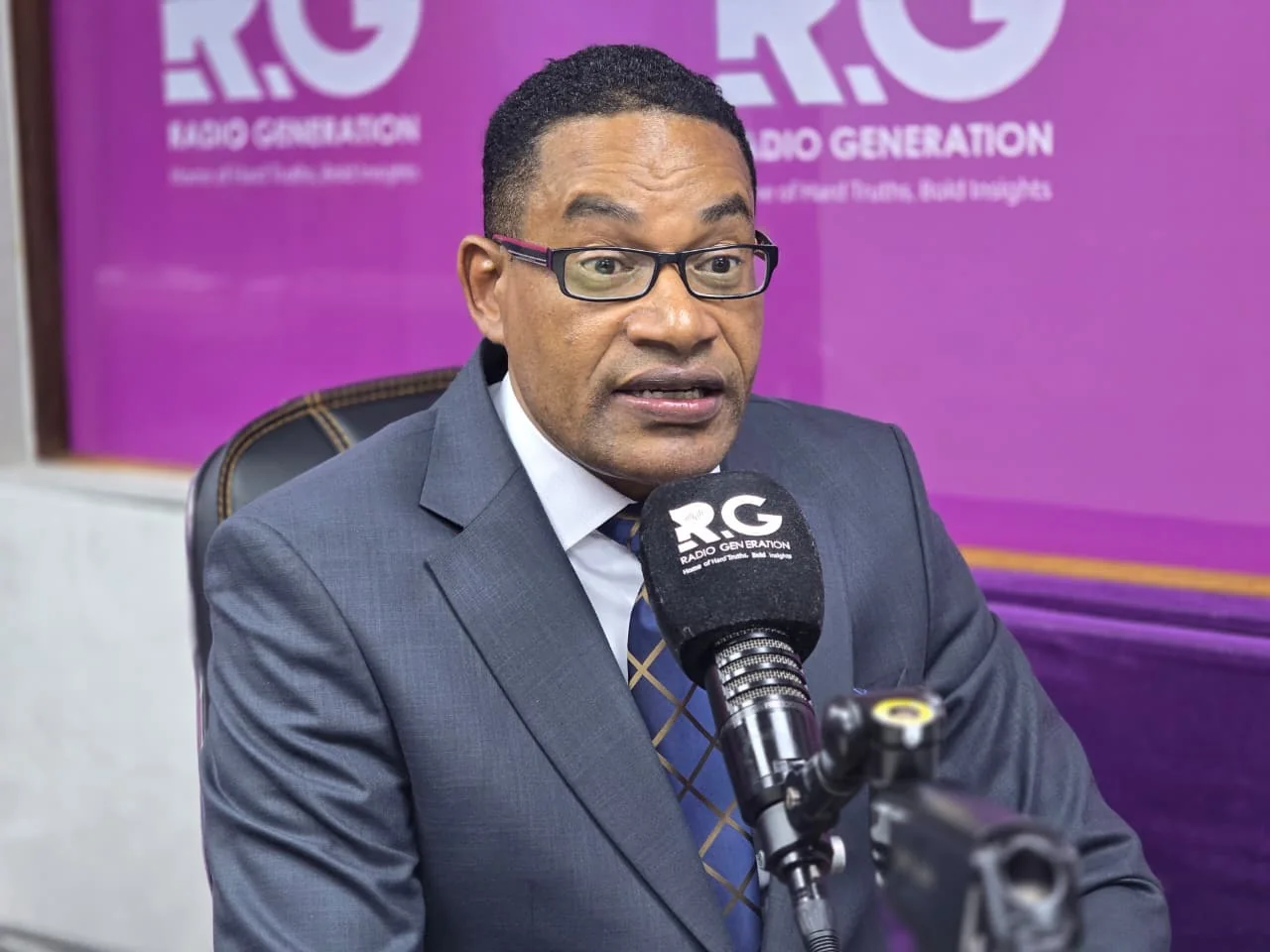
Kinyanjui argued that several MPs who had initially supported the impeachment motion later withdrew their signatures, a development he believes invalidated the process under National Assembly Standing Orders
Advocate of the High Court Harrison Kinyanjui, has raised fresh questions over the impeachment of former Deputy President Rigathi Gachagua, arguing that the process exposed major gaps in Kenya’s constitutional and parliamentary procedures, and warning that similar disputes could reappear if the issues are not addressed.
Kinyanjui has challenged the legality of the impeachment process, saying key constitutional requirements were not fully satisfied. He further argued that the court’s handling of the matter left unresolved contradictions that could weaken future governance processes.
Speaking during a Radio Generation interview on Wednesday, he said he was not persuaded by the reasoning used by the Constitutional Court, especially after judges upheld the impeachment while also finding that former Deputy President Rigathi Gachagua had been denied a fair hearing.
He maintained that once the court confirmed that Gachagua was not given a proper chance to defend himself, the entire process should have been declared invalid.
"Any act or any omission that is constitutionally mandated, that is now outside the Constitution, is null and void," he stated, adding: "The impeachment process, as soon as they established the right that Honorable Rigathi was denied the opportunity then to present his own case, the fair hearing under Article 50, then they should have said the outcome thereof is null and void."
The remarks came two days after the High Court in Nairobi upheld Gachagua’s impeachment, which followed his removal from office in October 2024, making him the first Deputy President to be impeached under the 2010 Constitution.
The process started on October 1, 2024, when Kibwezi West MP Mwengi Mutuse presented an impeachment motion listing 11 allegations, among them gross violation of the Constitution, abuse of office, ethnic division, insubordination and alleged irregular acquisition of wealth.
On October 8, the National Assembly passed the motion with 281 MPs supporting it, 44 opposing it, and one abstaining, clearing the two-thirds requirement set by law.
The matter then moved to the Senate, which conducted hearings between October 16 and 17 and later upheld five of the 11 charges, leading to Gachagua’s removal from office.
Gachagua later went to the High Court, arguing that his constitutional rights and fair hearing protections were violated during the process.
Although the court identified procedural issues and breaches of rights, it did not overturn the impeachment, leaving the matter open for further legal challenge.
Kinyanjui also said a petition he filed in October 2024 raised several issues that, in his view, were not fully addressed by the court. He insisted that the impeachment motion was flawed from the beginning.
"There was absolutely no impeachment. Mutuse's own motion was dead on arrival," he stated.
He added that some Members of Parliament who initially supported the motion later withdrew their backing, arguing that this affected the validity of the process under parliamentary rules.
"There were no less than eight members of Parliament that had withdrawn their support," he highlighted, saying the withdrawal of signatures should have invalidated the motion.
He also questioned whether Parliament met the required threshold under Article 145, pointing out that some constituencies lacked representation at the time of the proceedings.
"He knew very well that there was no one representing Ugunja. He knew very well there was no member for Magarini. He knew very well there was no representative for Suba South. Now you tell me, who spoke for those people in terms of Article 145?" he questioned, referring to Kibwezi West MP Mwengi Mutuse, who tabled an impeachment motion against Gachagua.
Beyond the impeachment case, Kinyanjui said the dispute exposed broader constitutional weaknesses that need urgent attention.
"We have some lacuna, we have some gaps in the Constitution that we need to look at," he stressed.
He explained that the gaps include unclear rules on impeachment thresholds where constituencies lack representation, uncertainty on resignation procedures during impeachment, overlapping roles of oversight institutions, and unclear voting procedures in Senate committees.
He estimated that there could be "close to about maybe 50" such gaps that require legal or legislative clarification.
Kinyanjui also questioned the parliamentary vote that approved current Deputy President Kithure Kindiki, saying that roll-call voting procedures were not properly followed.
He concluded that unless the constitutional gaps are addressed, future impeachment cases, succession issues and parliamentary decisions could continue facing legal uncertainty.


Comments
Sign in with Google to comment, reply, and like comments.
Continue with Google