Death, addiction and wake-up call: Comedian Onjiri’s recovery from alcoholism
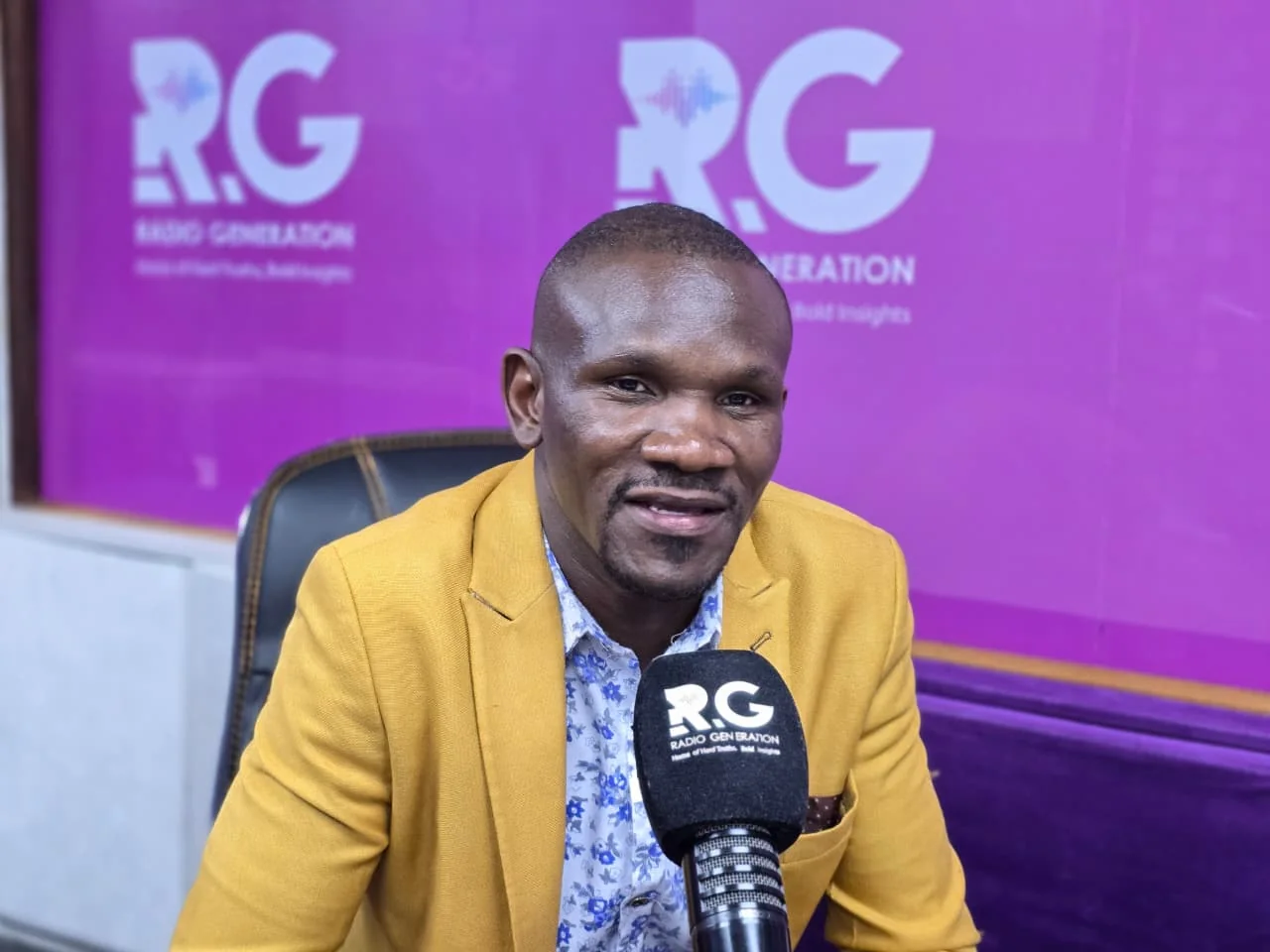
According to the comedian, his introduction to alcohol started when his family moved from Nairobi to the countryside while he was in Class Six.
Kenyan comedian Peter Ouma, popularly known as Onjiri the Comedian, has opened up about his long battle with alcoholism, revealing how a blunt remark from Lang’ata Member of Parliament and fellow entertainer Phelix Odiwuor, popularly known as Jalang’o, became the turning point that pushed him towards sobriety.
Speaking during an interview on Radio Generation's Wind Down, Onjiri recounted a decades-long struggle with alcohol that began while he was still in primary school and later threatened his career, relationships and health.
According to the comedian, his introduction to alcohol started when his family moved from Nairobi to the countryside while he was in Class Six.
“I started drinking at Class Six. We left Nairobi and moved back up country and we used to sneak from school to go for some jaggery. Most people who brew chang’aa use it to ferment and we started eating the fermented mixture which is still alcohol and makes you high,” he said.
He explained that he quickly became accustomed to the sensation and continued drinking throughout his school years despite performing well academically.
“I started enjoying that feeling and grew up with it. I was sharp in school but still drinking. I joined Homa Bay High School with 384 out of 500 marks. I drank through high school,” he said.
https://twitter.com/RadioGenKe/status/2064781779404312889
As he pursued a career in comedy and entertainment, Onjiri said alcohol gradually became a major obstacle, affecting his professionalism and reputation within the industry.
He admitted that while he possessed talent, his dependence on alcohol made him unreliable, leading to lost opportunities and strained professional relationships.
“Alcohol has ruined my work in many places. You come for rehearsals and you are supposed to have a shoot the next day, but when the day comes you are drunk and nowhere to be seen,” he said.
According to Onjiri, producers and industry stakeholders eventually became wary of hiring him despite recognizing his abilities.
“Producers talk among themselves and they will say you are good at what you do but unreliable. This is why I always say that discipline in any job always wins over anything. You might be talented but not reliable,” he added.
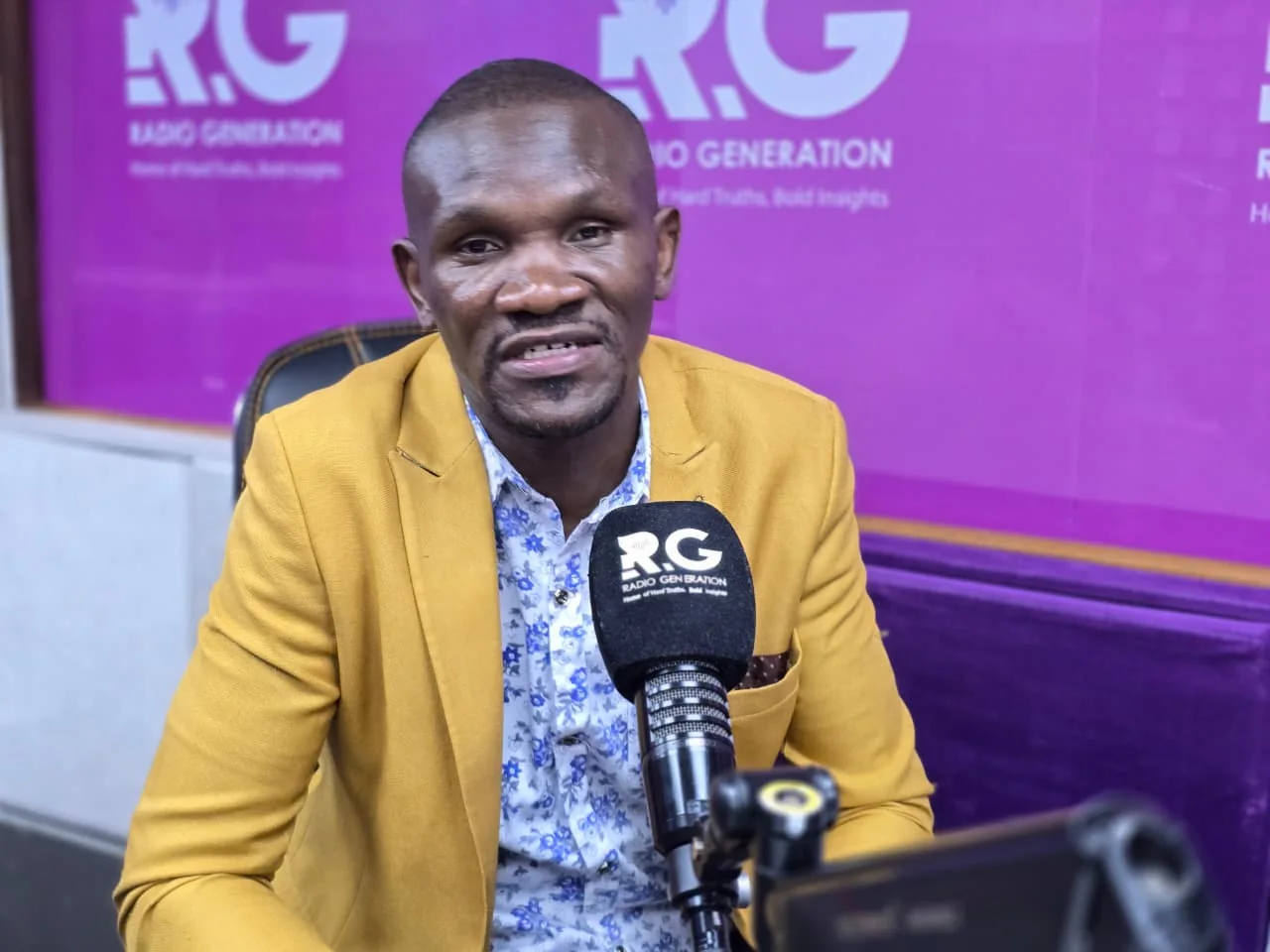 Kenyan comedian Peter Ouma, popularly known as Onjiri the Comedian during an interview at Radio Generation on June 10, 2026. PHOTO/RADIO GENERATION
Kenyan comedian Peter Ouma, popularly known as Onjiri the Comedian during an interview at Radio Generation on June 10, 2026. PHOTO/RADIO GENERATION
The comedian also described the devastating personal cost of addiction, including watching close friends succumb to alcohol-related problems.
He said the deaths of several drinking companions forced him to confront the reality of his own situation, culminating in a moment that changed his outlook entirely.
“I started losing friends we were drinking with. My best friends were dying,” he said.
The defining moment came during a candle-lighting ceremony held in memory of one of his deceased friends.
“In fact, my turning point came when we were at a candle lighting for one of my friends and Jalang’o said, ‘Onjiri, you are next.’ Everyone was saying the same thing,” he recalled.
The comment, he said, struck him deeply and forced him to acknowledge the severity of his addiction.
“At that moment I could not even eat and that is one way alcohol kills you. I could stay for five days without eating but drinking was 24/7,” he said.
https://twitter.com/RadioGenKe/status/2064782996356431932
Onjiri painted a grim picture of the depths of his dependency, revealing that alcohol dominated every aspect of his daily routine.
“I used to sleep with a bottle of liquor next to my bed and it was the first thing I took anytime I woke up,” he said.
Unlike many people struggling with addiction, Onjiri chose not to seek treatment in a rehabilitation centre. Instead, he resolved to quit drinking on his own, a decision he says subjected him to severe withdrawal symptoms.
“I didn't go to rehab; I told myself this was a battle I was going to take on single-handedly,” he said.
He described the first two months after quitting as the most difficult period of his recovery journey.
“In fact, the first two months were the hardest for me. I couldn’t even hold a cup in my hands. I used to take tea using a straw,” he said.
The withdrawal symptoms were so severe that some people advised him to continue drinking small amounts of alcohol to manage the tremors.
“It was bad to the extent that I would be advised to take a little alcohol to be able to hold a cup, but I persisted because I was determined to do it alone. The insomnia and nightmares, I went through all that,” he said.
Reflecting on his experience, Onjiri said alcoholism gradually erodes a person's dignity and value, often without the individual realizing it.
“One thing I came to realize is that every time you drink, your value goes down by half,” he said.
“You might think that you are making people laugh but people are laughing at you. You are funny but it is not controlled.”
He revealed that some clients exploited his addiction by compensating him with alcohol instead of proper payment when hiring him as a master of ceremonies at social events.
“Some people would hire me as an MC at their weddings and pay me with alcohol after realizing I was an alcoholic. That is different when you are called for a job and you say that you don’t drink alcohol,” he said.
Onjiri concluded with a warning about the destructive nature of addiction, saying many people fail to recognize how deeply trapped they have become until the consequences are severe.
“The thing about addiction is that you never see that you are in a bad place,” he said. “Any addiction takes on everything that you have.”




Comments
Sign in with Google to comment, reply, and like comments.
Continue with Google