Government turns to private capital for Sh1 trillion development programme
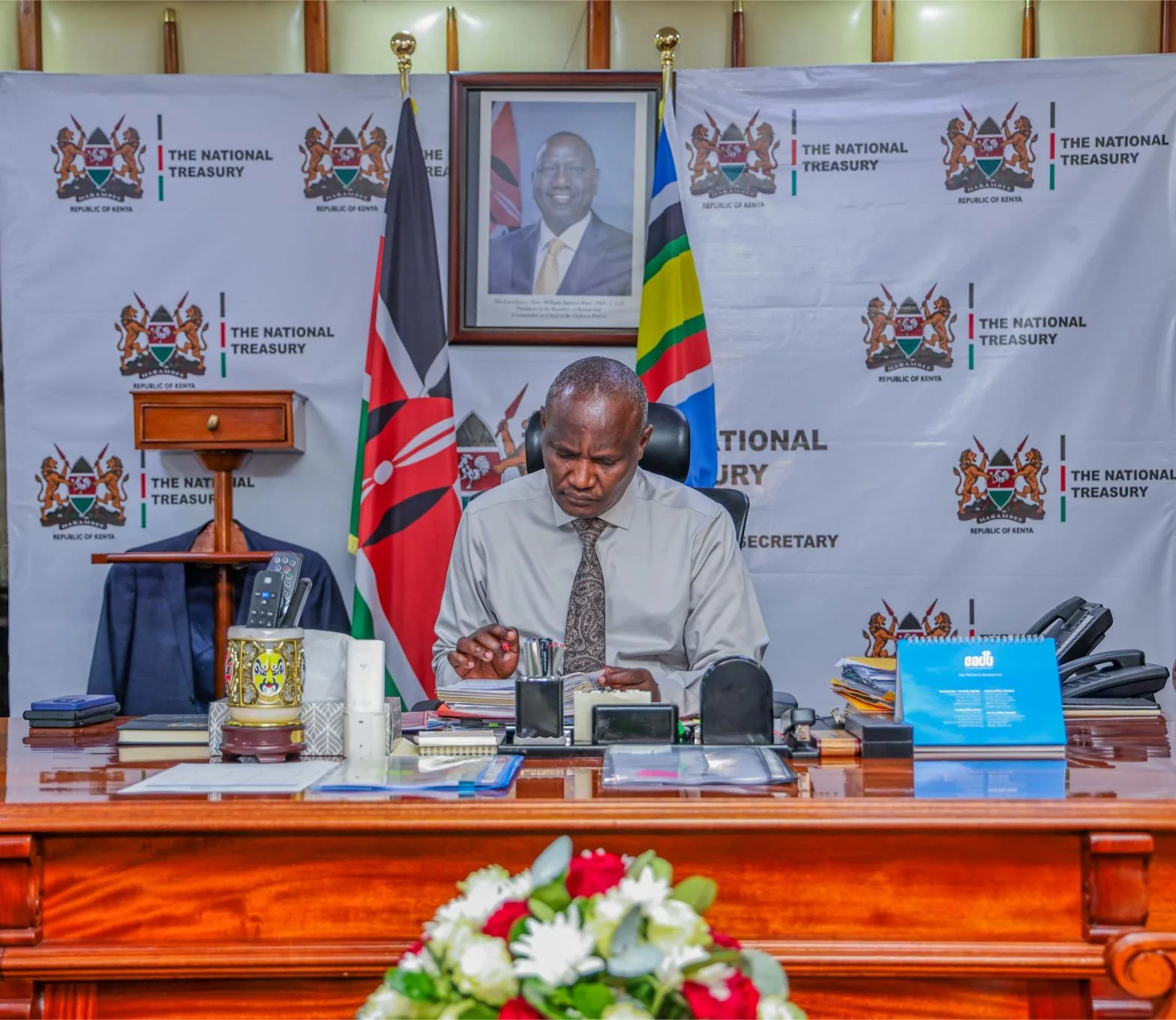
Treasury Cabinet Secretary John Mbadi says the strategy is aimed at speeding up industrialisation and expanding key infrastructure by bringing in private capital alongside public funding
Kenya is stepping up its use of public-private partnerships to drive major infrastructure growth, with the government targeting more than Sh1 trillion in investment to support projects in energy, transport, water, housing, health, and the digital economy.
Treasury Cabinet Secretary John Mbadi says the strategy is aimed at speeding up industrialisation and expanding key infrastructure by bringing in private capital alongside public funding. He notes that PPPs are now central to how the government plans and finances development projects across the country.
“Public-private partnerships have therefore become a central pillar of our development financial strategy,” he noted, adding that about Sh96 billion has already been mobilised through existing PPP arrangements.
Mbadi explained that the government is now moving into a new phase that will widen private sector involvement across more sectors and larger projects. He said the expanded programme is expected to unlock more than Sh1 trillion worth of infrastructure investment.
“Building on this momentum, the government targets to populate at least 70 billion through PPP investment in the financial real estate systems across the energy, transport, water, housing, health, and digital infrastructure,” Mbadi noted.
In transport, the government is focusing on major road and expressway projects meant to improve movement of goods and strengthen regional trade links. These include the Nairobi–Mombasa Expressway and the Eldoret–Malaba corridor.
In the energy sector, Mbadi pointed to large power generation projects that are expected to increase electricity supply and support industrial growth.
“In the energy sector, priority investments include the High Grand Falls hydropower project, expected to generate 700 megawatts,” he explained.
He also highlighted investments in the digital economy, saying Kenya is building its position as a regional technology hub through data infrastructure projects.
“In the ICT sector, the Kenya National Data Center (PPP) and the Konza Data Center project will strengthen Kenya’s digital infrastructure, support data sovereignty, and enhance the country’s capacity to manage and secure its own data.”
Mbadi further said the government is tightening the legal and policy framework around PPPs to improve transparency, efficiency, and investor confidence. He said new regulations and guidelines are being finalized to fully operationalize the PPP Act.
“Mister Speaker, the National Treasury is also at the tail end of analyzing all the required PPP regulations and guidelines to fully operationalize the PPP Act,” he added.
He noted that stronger disclosure rules will guide privately initiated proposals and improve accountability in project delivery.
The Treasury CS said the PPP programme is expected to transform infrastructure delivery while reducing pressure on public borrowing, with increased involvement of both local and international investors.
“The scale of Kenya's development emissions demands that we leverage not only public resources but also the capital innovation and expertise of the private sector.”
He added that the National Infrastructure Fund will also play a key role in mobilising domestic capital and supporting long-term industrialisation plans.




Comments
Sign in with Google to comment, reply, and like comments.
Continue with Google