Kesses MP flags import reliance, debt risks ahead of Sh4.8 trillion budget reading
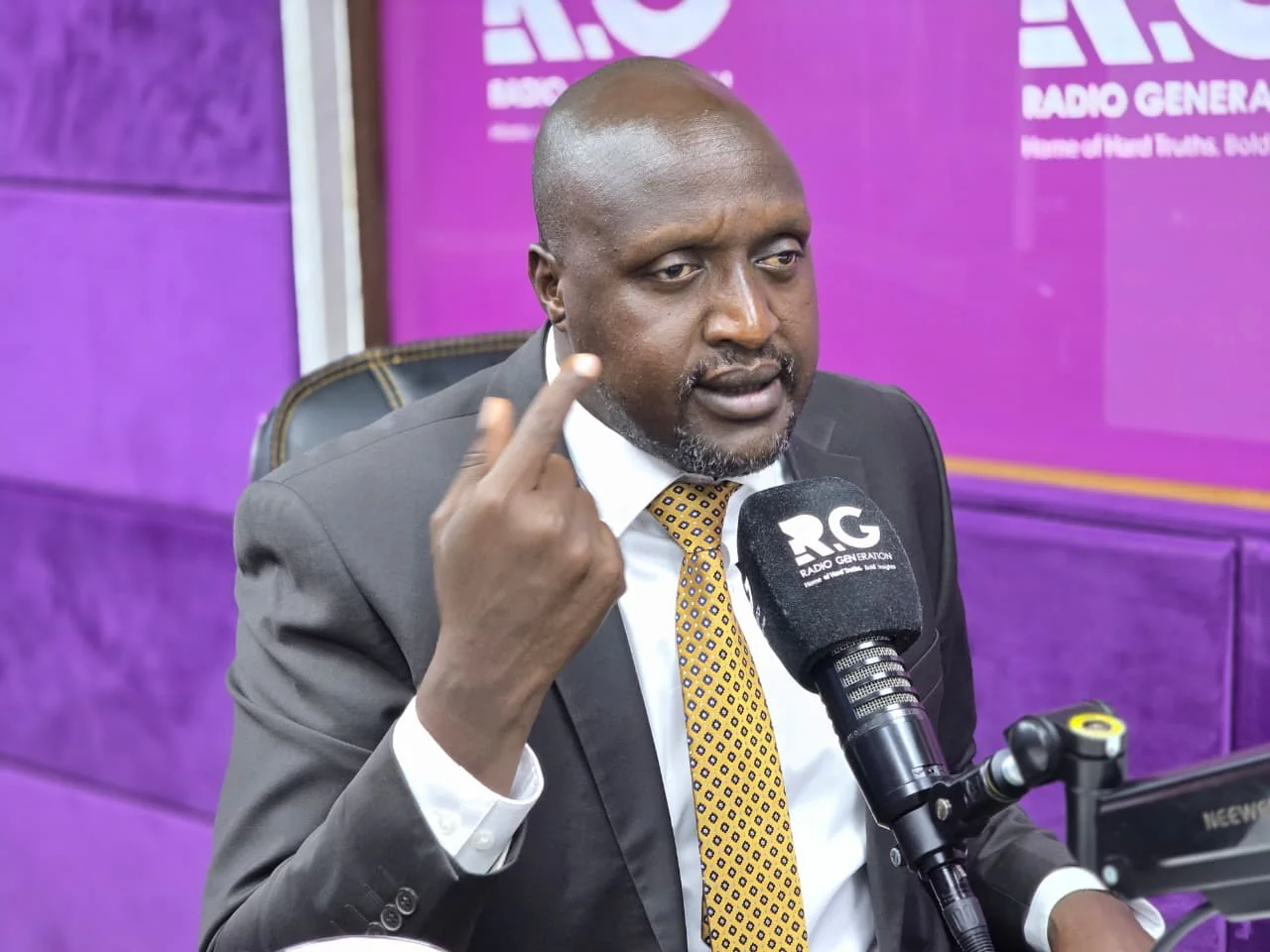
Ahead of the reading of the 2026/27 national budget, Kesses MP Julius Rutto told Radio Generation that Kenya’s import reliance and rising debt threaten stability. He urged stronger agriculture, local industry and job creation.
Kesses MP Julius Rutto has raised concern over Kenya’s economic direction and rising dependency on imports, warning that the country must shift focus toward strengthening local production, jobs and domestic resilience ahead of the presentation of the Sh4.8 trillion national budget by Treasury Cabinet Secretary John Mbadi.
Speaking during an interview with Radio Generation on Thursday, ahead of the budget reading for the 2026/27 financial year, Rutto said Kenya’s economic struggles are tied to long-standing global shocks and a heavy reliance on imported goods, which he said exposes the country to inflation and external pressure.
He noted that “for the last 10 years we've been going through a recession generally put globally because of challenges, what we call external environmental challenges”.
The UDA MP argued that as a net importer, Kenya often absorbs problems from other economies, including inflation and production shocks.
“You realize so much on other people's hard work to manufacture, to produce for us to survive,” he said, adding that this dependency weakens local growth and limits self-reliance.
Going further, Rutto pointed out that food production remains the most critical pillar of stability, saying agriculture continues to act as the country’s first line of survival.
He said the budget has largely supported food security efforts, which he described as central to national stability. He added that “primary security of every country” begins with access to food.
Rutto further stressed the need to strengthen micro, small and medium enterprises as a way of creating jobs and improving household incomes, especially in urban areas where people depend on wages rather than farming.
According to him, gaps in manufacturing have slowed job creation and left many citizens struggling to meet daily needs.
The legislator also called for balanced tax and revenue measures that protect local industries from being outcompeted by imports, while still encouraging investment in key sectors such as mining and exploration.
He noted that incentives like tax reliefs could help attract investors and keep wealth within the country instead of being repatriated abroad.
At the same time, Rutto raised concern over Kenya’s rising debt levels, noting that the country’s budget framework still relies heavily on borrowing despite efforts to increase domestic revenue.
He said the government is now leaning more on domestic borrowing, warning that this approach must be carefully managed to avoid straining the economy.
The Sh4.8 trillion budget statement, set to be read by Mbadi, is expected to outline government spending priorities across key sectors, including employment creation, public services and economic recovery measures, as pressure mounts to expand opportunities for young people.




Comments
Sign in with Google to comment, reply, and like comments.
Continue with Google