Employers in spotlight over Sh100 billion unremitted Housing levy funds
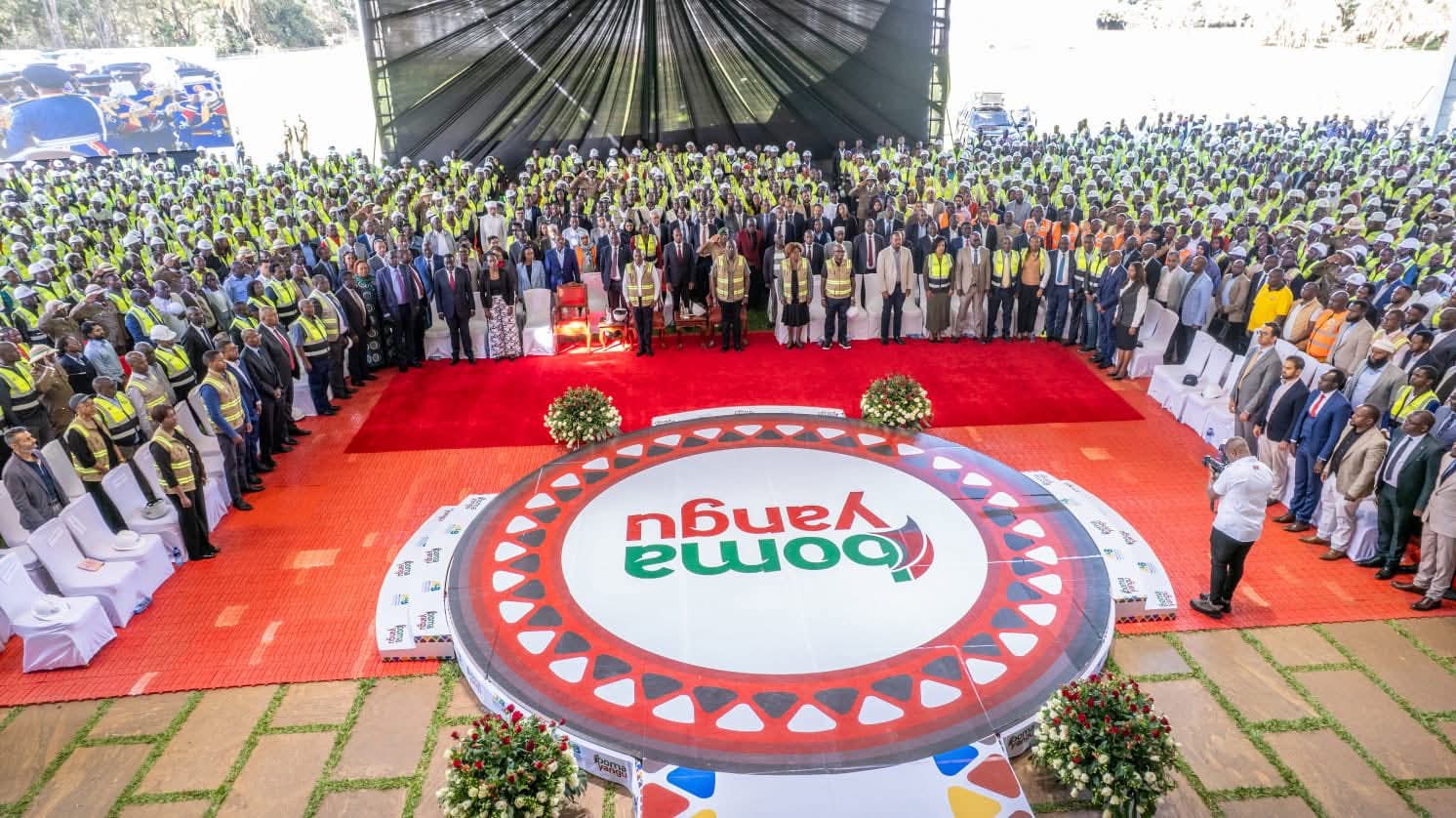
The State Department for Housing has asked Parliament to amend the Finance Bill, 2026, to allow KRA to recover unremitted Affordable Housing Levy deductions as civil debt. Affordable Housing Board officials cite enforcement gaps and unpaid amounts exceeding Sh100 billion.
More than Sh100 billion collected from workers for the Affordable Housing Levy may never have reached the government, pushing authorities to seek urgent legal changes that would allow the Kenya Revenue Authority (KRA) to pursue defaulting employers and recover the funds.
The State Department for Housing has now asked Parliament to amend the Finance Bill, 2026, to give the KRA Commissioner-General authority to recover unpaid or unremitted deductions as civil debt, just like unpaid taxes.
The proposal was tabled before the National Assembly Finance and National Planning Committee during public participation on the Finance Bill, 2026, where concerns over weak enforcement of the levy took centre stage.
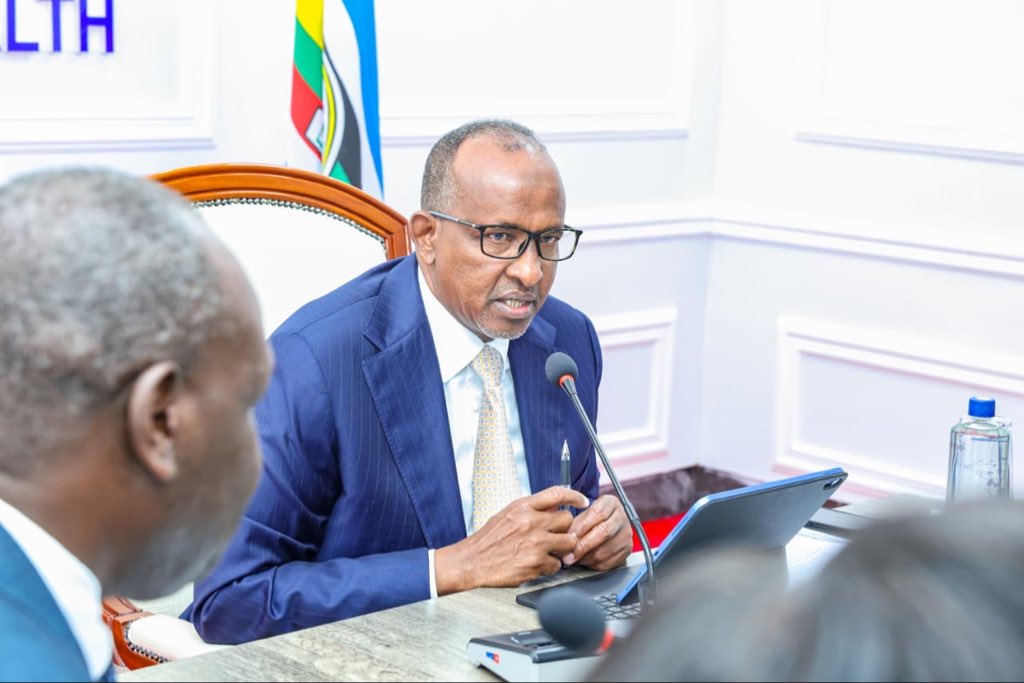
Affordable Housing Board chairperson Jeremiah Simu told the committee, chaired by Molo MP Kuria Kimani, that the current law leaves major gaps that make it difficult to follow up employers who fail to remit deductions already taken from workers.
“KRA itself has acknowledged the limitation, confirming that although it is mandated to collect the levy, enforcement falls outside its legal mandate,” Simu said.
Simu said the board estimates that employers have failed to remit more than Sh100 billion since the introduction of the levy, even in cases where deductions were already made from salaries.
He also warned that the fund continues to lose about Sh3 million every month due to non-remittance.
“To collect the Sh100 billion that employers have failed to remit, we need to ensure that KRA is empowered by law to enforce payment,” he said.
“We are currently engaging KRA, which is keen to assist in recovering all outstanding amounts, but we must ensure it is adequately empowered within the law.”
Under the Affordable Housing Fund Levy Act, 2024, employers are required to deduct 1.5 per cent from employees’ salaries and match the contribution to support the construction of affordable housing units.
However, Simu noted that while KRA collects the levy, it does not have strong enforcement tools to act against those who fail to remit.
He said Section 7 of the Act provides penalties but does not include systems for audit, investigation, assessment, or recovery of unpaid amounts.
Affordable Housing Board Chief Executive Officer Joseph Kagicha said the proposed amendment is meant to close that gap and improve compliance across the board.
“The amendment closes the gap and protects compliant contributors. It empowers the Commissioner, where he is the collector of a fee, levy or charge under any other written law, to recover unremitted or unpaid amounts as civil debt due to the government as if they were unpaid tax,” said Affordable Housing Board CEO Joseph Kagicha.
Kagicha said findings by the Auditor-General had already pointed out weaknesses in the law that allow some employers to avoid remitting the levy.
He added that the report also confirmed that KRA does not currently have full enforcement authority under the Affordable Housing Act, 2024.
“Section 7 of the Act imposes a penalty of 3 per cent per month on unremitted levy and allows summary recovery as a civil debt, but it lacks the audit, assessment, investigation and recovery machinery needed for effective collection,” he said.
He explained that the current system depends heavily on voluntary compliance, leaving loopholes for defaulters to go unchecked.
“This is an equity problem before it is a revenue problem,” he said.
Kagicha said the proposed introduction of Section 39B into the Tax Procedures Act would give the legal backing needed to strengthen enforcement and recovery.
He noted that the levy has performed well where remitted, pointing out that it collected about Sh73.2 billion in the 2024/25 financial year, surpassing its target.
“The outstanding issue is non-remittance, concentrated among some employers. Equipping the collector to address it is in the public interest,” he said.
At the same time, the State Department for Housing has raised concern over plans to impose Value Added Tax (VAT) on affordable housing construction.
It argues that taxing construction services used in affordable housing projects would increase building costs.
The department is now seeking exemptions for construction services used directly and exclusively in affordable housing, noting that the current 16 per cent VAT on contractors and professional services is not recoverable and ends up inflating the cost of housing units.



Comments
Sign in with Google to comment, reply, and like comments.
Continue with Google