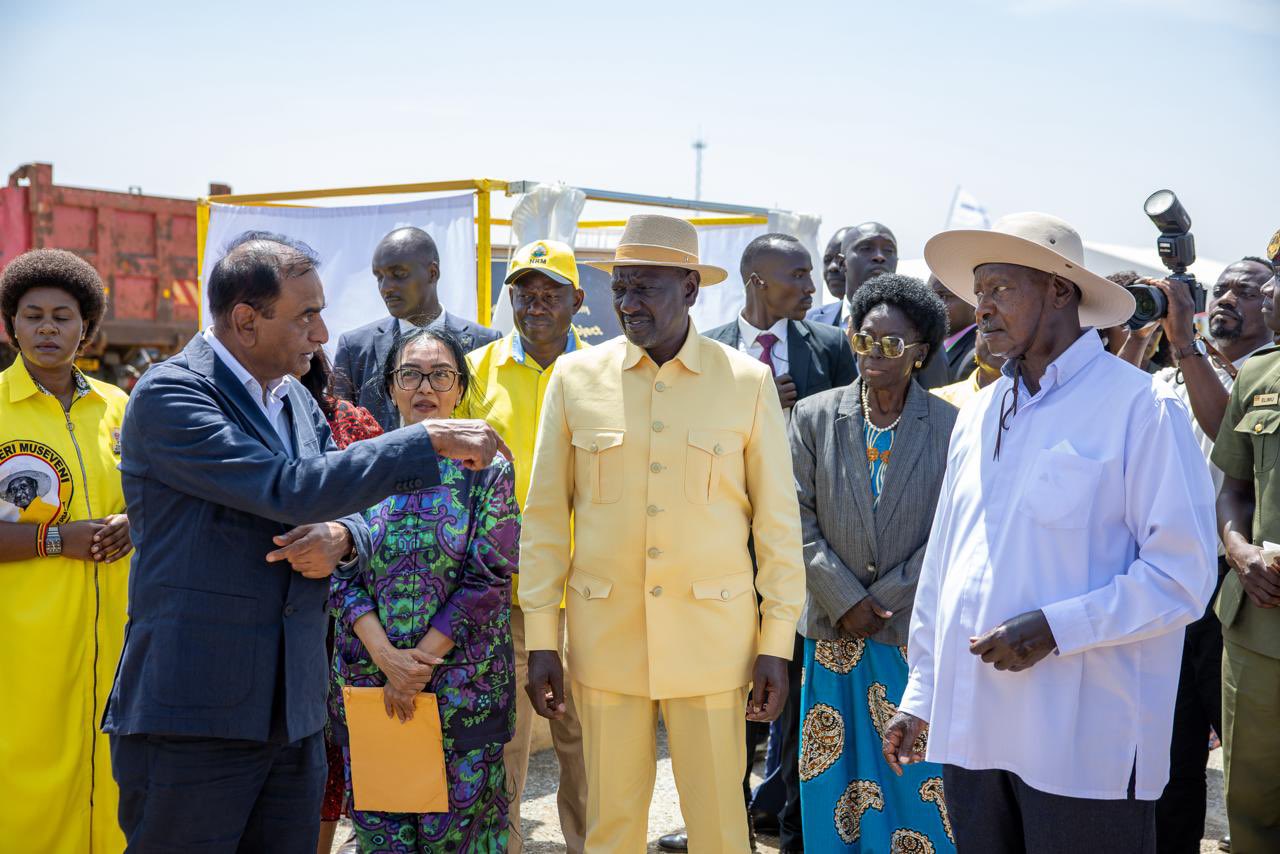
Devki Group chairman Narendra Raval is set to host President William Ruto for the groundbreaking ceremony of a Sh50 billion clinker and cement plant in Ngaaie, Mwingi North, Kitui County, as the industrial group expands its manufacturing operations in eastern Kenya.
The ceremony for the National Cement Company project is scheduled for Tuesday, October 27, 2026, at 9 am, with the facility expected to begin operations in mid-2027.
Construction at the site began in September, making Tuesday’s event a formal milestone in a project already under development. The investment is expected to make Kitui home to its first cement manufacturing plant, using limestone deposits found in the surrounding area.
The project is part of Devki’s expansion of its cement and clinker production capacity in Kenya, with the company seeking to bring manufacturing closer to markets in eastern and northern parts of the country.
Clinker is a key ingredient in cement production, manufactured by heating limestone and other materials at high temperatures. Local production can reduce dependence on imported clinker and limit exposure to international shipping costs and foreign exchange fluctuations.
The investment is expected to create employment during construction and after the factory becomes operational, while supporting businesses that supply goods and services to the project.
Construction activity has already generated opportunities for local workers and traders, including businesses supplying food, water, transport and accommodation to people working at the site.
Once operational, the factory is expected to create additional direct and indirect employment through manufacturing, transport, distribution and supply chains.
The project also presents opportunities for local businesses to supply materials and services to the plant and its workforce. Increased economic activity could support the growth of Ngaaie and neighbouring trading centres as demand for housing, transport and other services rises.
Devki has positioned the investment as part of its wider industrialisation strategy, which includes steel, roofing materials and cement manufacturing across the region.
The group operates National Cement, whose Simba Cement brand serves the Kenyan market, and has invested in clinker production facilities in other parts of the country. The Ngaaie plant will extend its manufacturing footprint into Kitui, a county with significant limestone resources.
The plant could also influence cement supply and prices, particularly in markets where transporting the product over long distances adds to distribution costs.
Producing clinker closer to eastern Kenya could reduce some transport expenses and strengthen the availability of locally manufactured cement. However, the extent to which consumers will benefit will depend on production costs, market competition, distribution expenses and the plant’s eventual output.
The company has not publicly disclosed the facility’s final production capacity. Reports have cited a target of about three million tonnes of clinker annually.
The investment follows earlier plans to develop cement manufacturing in the Ngaaie area, where limestone deposits have attracted interest from industrial investors. The project has also faced local concerns over land compensation, which were raised during earlier development efforts.
Ruto’s expected attendance places the project within the government’s broader push to attract large-scale private investment, expand local manufacturing and create employment.
The plant is also expected to support construction activity linked to housing and infrastructure by adding domestic production capacity for a key building material.
For Kitui County, the investment marks a significant expansion into large-scale manufacturing, with the potential to generate jobs and stimulate businesses beyond the factory itself.
The immediate test will be whether construction proceeds on schedule and the plant begins operations by mid-2027, as planned.
Its long-term economic impact will depend on the number of jobs created, the extent of local participation in its supply chain, environmental management, and whether increased production translates into more competitive cement prices for consumers.