
The Senate has launched an investigation into repeated building collapses in Nairobi, with more than 300 development files already forwarded to the Office of the Director of Public Prosecutions (ODPP) over suspected breaches of construction regulations.
The inquiry comes as concerns over building safety continue to grow following several structural failures in the capital, including the October 23 Eastleigh tragedy, where the death toll climbed to eight on Thursday, November 5, after rescuers recovered six more bodies from the debris.
The Senate Standing Committee on Roads, Transportation and Housing will investigate suspected violations of approved building plans, substandard construction practices, failures by regulatory agencies and possible professional negligence.
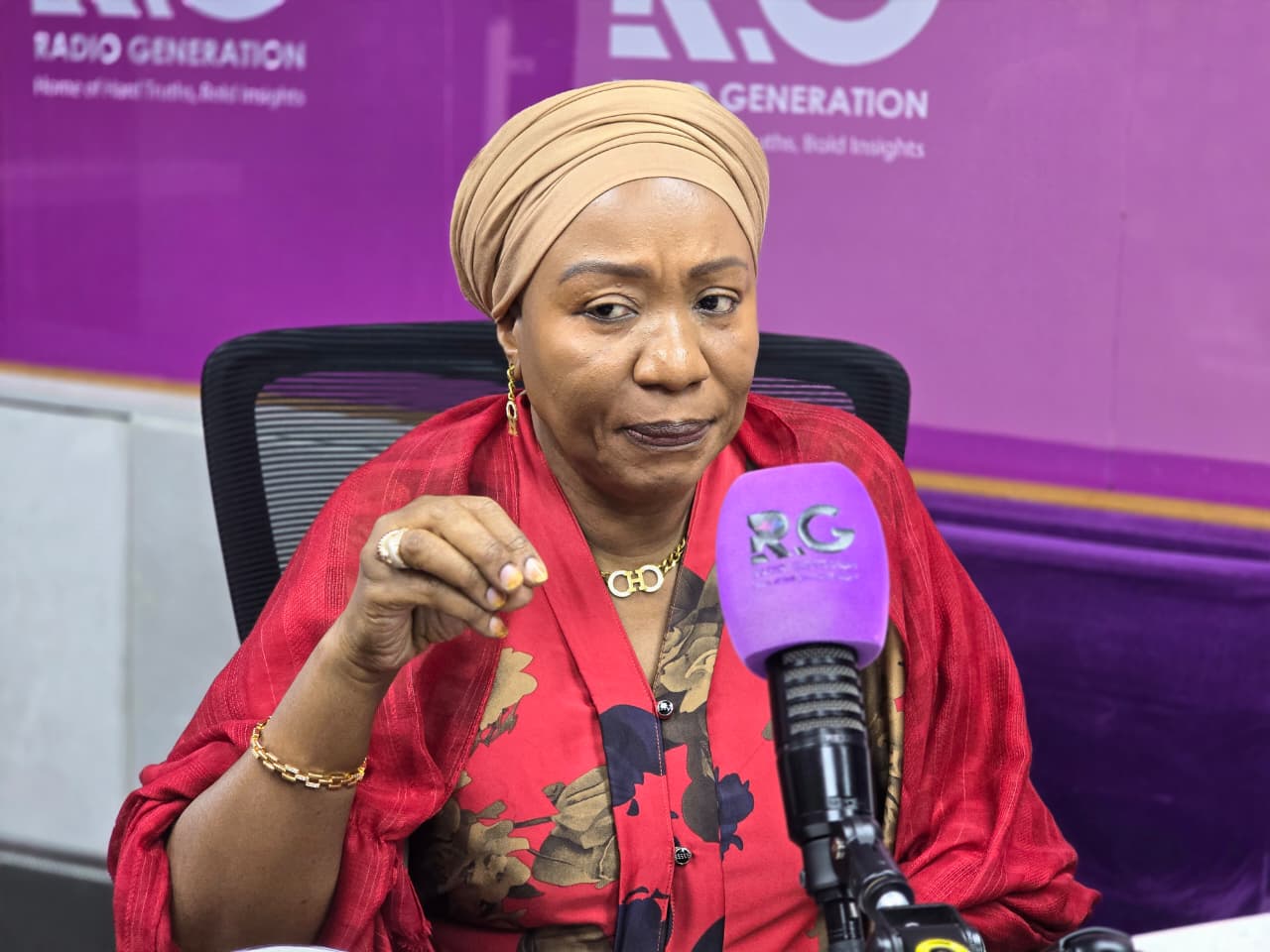
Committee Chairperson Hamida Kibwana announced the planned investigation in a statement on the floor of the Senate on Wednesday, November 4, warning that repeated building failures were putting residents, business owners and members of the public at risk.
The Eastleigh collapse, which involved a multi-storey building under construction along 9th Street, is among the incidents that have intensified calls for accountability in Nairobi's construction sector.
The building had businesses operating on its ground and basement floors, raising further concerns about the dangers of allowing commercial activities to continue alongside construction work.
The National Police Service (NPS) reported on Thursday that six additional bodies, comprising four women and two men, had been recovered from the collapsed structure, bringing the confirmed number of fatalities to eight.
“Four survivors have so far been rescued alive. Sadly, six more people—four women and two men—were found deceased today, 5 November 2026, bringing the confirmed number of fatalities to eight,” the NPS stated.
Multi-agency teams remained at the scene, continuing search, rescue and recovery operations as efforts to establish whether more people were trapped beneath the debris continued.
Kibwana said the Senate committee would examine whether developers followed approved construction designs and whether government agencies responsible for regulating the sector properly carried out their duties.
“These incidents raise concerns regarding compliance, structural safety and accountability,” she said.
Buildings under investigation
Apart from the Eastleigh tragedy, the committee intends to examine several other building failures reported in Nairobi this year.
One of the cases is the January 2 collapse of Manzil Towers in South C, where developers reportedly constructed an additional four floors beyond the 12-storey structure that had been approved.
The National Construction Authority (NCA) had confirmed that the development was registered and authorised for a 12-storey building.
Following the collapse, the authority announced that investigations would be conducted to establish what caused the structure to come down and determine those responsible.
The Senate committee will also look into the partial collapse of a 22-storey building under construction along School Lane in Westlands.
Another incident on its radar is the collapse of a building in Blue Estate, Shauri Moyo, during demolition works associated with the Nairobi River Regeneration Project.
The incidents have raised questions about the extent to which developers adhere to approved construction plans and whether county and national government agencies conduct sufficient inspections before and during building works.
More than 300 files sent to ODPP
The committee will also seek answers over the status of more than 300 files involving developments suspected of breaching construction regulations.
According to Kibwana, Nairobi Governor Johnson Sakaja informed the committee during a meeting on October 13 that the county government had forwarded more than 300 files to the ODPP for further action.
The lawmakers intend to engage the prosecution office to establish how many of the cases have progressed to charges, prosecutions or other enforcement measures.
They will also seek explanations for any delays in handling the files and determine whether the reported violations have resulted in action against those responsible.
The investigation follows an earlier visit by the Senate committee to parts of Eastleigh on September 29, where lawmakers assessed concerns over uncontrolled developments, encroachment on public spaces and obstruction of roads and drainage systems.
The committee later held discussions with Sakaja to examine the difficulties facing the county government in enforcing development regulations.
Separately, the ODPP announced on October 26 that it had instructed the Directorate of Criminal Investigations (DCI) to investigate the Eastleigh building collapse.
The investigations were expected to cover the actions of county officials, the developer, contractors and professionals involved in the project.
However, the prosecution office said it had not received an inquiry file specifically concerning the construction of the collapsed Eastleigh building when it issued the statement.
Audit exposes widespread building violations
Kibwana also referred to findings from the National Building Inspectorate's 2025 audit, which examined 396 developments across the country.
The assessment established that 87 per cent of the buildings inspected either failed to meet the required construction standards or did not have the necessary approvals.
The exercise led to the emergency demolition of two buildings after serious structural defects were identified.
It also documented six major building collapses in Nairobi, Mombasa and Kisii during 2025, including two incidents in Parklands, Nairobi.
These findings were also highlighted in the Architectural Association of Kenya's Status of the Built Environment Report 2025, which raised concerns over continued weaknesses in the supervision and regulation of construction projects.
The report further revealed a sharp decline in the number of buildings inspected by the National Building Inspectorate, from 20,649 in 2024 to only 396 in 2025.
The reduction raised concerns about the capacity of regulatory agencies to monitor construction activities and identify dangerous structures before they cause harm.
A separate government assessment covering July 1, 2025, to April 2, 2026, found that 12,018 of the 21,282 buildings inspected across the country were non-compliant with the required standards.
In Nairobi, authorities assessed 3,908 developments, of which 2,261 were found to be compliant.
The findings point to continued challenges in enforcing construction regulations, with questions emerging over the effectiveness of inspections, approval procedures and action against developers who disregard building requirements.