
Kenya is spending more than it can raise in revenue, with mounting debt, pending bills and limited development funding undermining the government's ability to deliver on its promises, a policy analyst has warned.
Kenya's Sh4.8 trillion budget provides only Sh840 billion for development, with much of the remaining expenditure going towards recurrent spending and debt repayment.
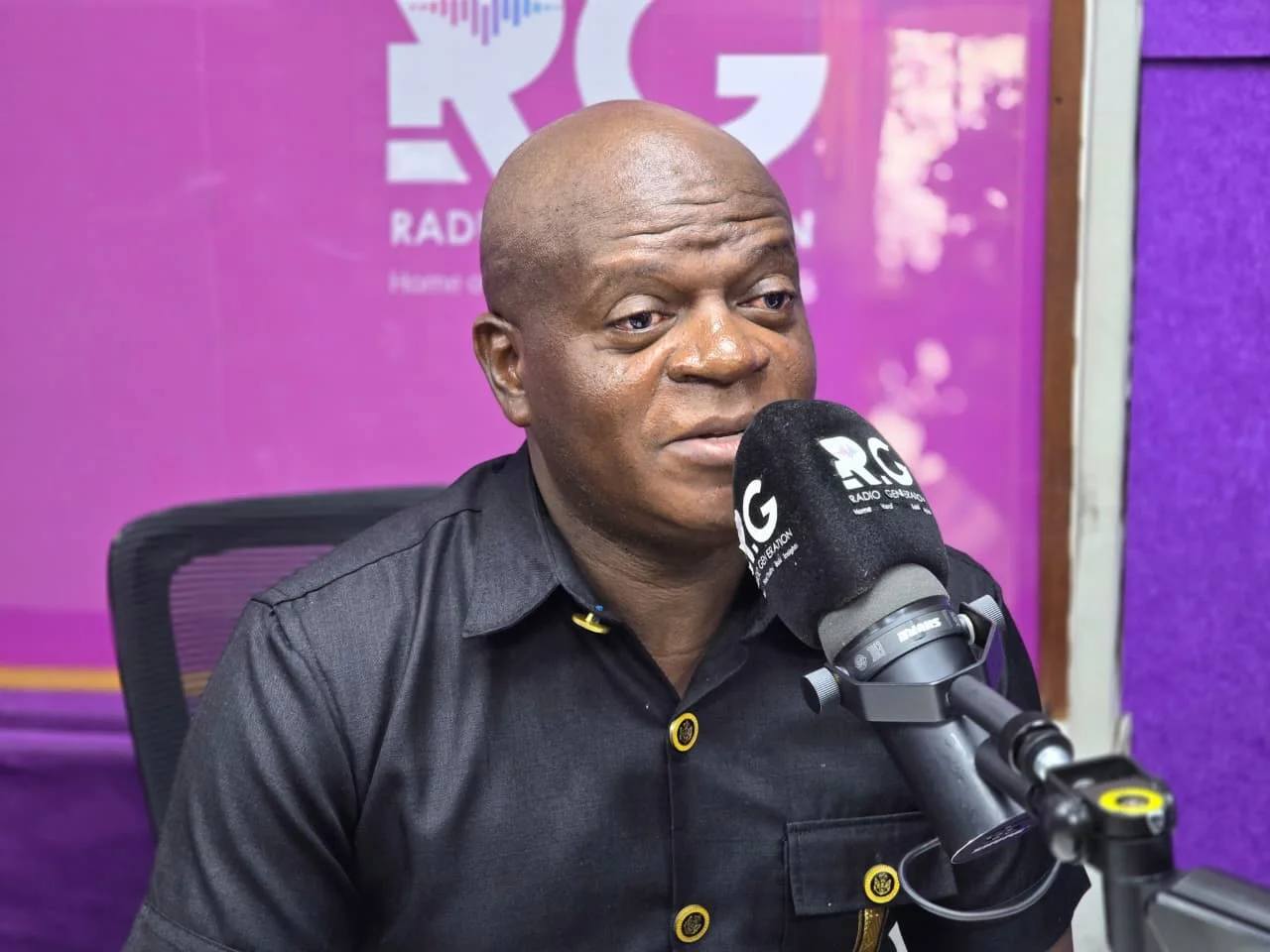
Speaking on Radio Generation on Tuesday, Linda Mwananchi National Strategy Forum Policy Lead Collins Mukhongo said the funding gap had forced the government to rely on borrowing, public-private partnerships and future revenue streams to finance current projects.
He argued that Kenya's tax base remains narrow, with a small proportion of employed people and businesses bearing the burden of revenue collection while other sectors remain largely outside the tax regime.
"When you look at Sh840 billion against Sh4.8 trillion, you will find that this is a country that actually spends without developing," Mukhongo said.
He also accused successive administrations of allowing corruption and economic inequality to undermine development, arguing that government tenders and public appointments had become avenues for rewarding a few individuals.
Mukhongo cited Sh330 billion in pending bills as one of the reasons infrastructure projects remain incomplete, saying contractors cannot continue financing government projects without receiving payments.
He questioned the government's reliance on alternative financing arrangements, including the fuel levy, sports funds, railway development and tourism levies, arguing that the approach amounts to spending future revenue today.
"Basically, what the government is doing is spending money 10 or 15 years ahead of time," he said.
Mukhongo further faulted the administration for failing to prioritise pressing challenges facing Kenyans, including the high cost of living, unemployment, healthcare and education.
He said about one million young people enter the job market every year, yet employment opportunities remain inadequate.
While acknowledging reforms in the tea, coffee and dairy sectors, he said the government had made limited progress in addressing challenges in other areas of the economy.
The policy lead blamed the situation on a longstanding system of economic extraction that benefits a small group at the expense of the majority.
Citing an Oxford report released last year, Mukhongo claimed that 125 individuals controlled more wealth than 43 million Kenyans, while 22 per cent of the population owned 78 per cent of the economy.
He said the concentration of wealth had contributed to unemployment, inequality and growing economic hardship.