New survey shows growing health pressure as child pregnancies and malaria increase
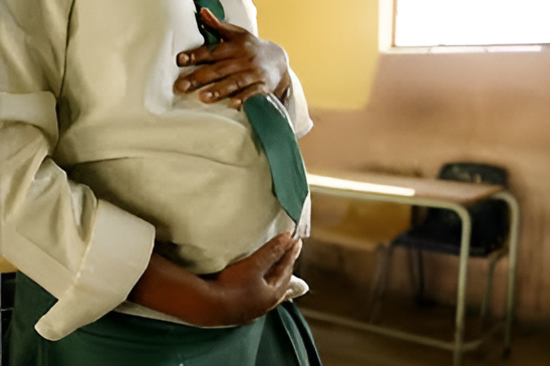
According to the report, 11,605 girls aged between 10 and 14 attended their first antenatal clinic visit in 2025, up from 10,126 in 2024. This represents a 14.6 per cent increase in pregnancies within this age group.
A new national health report is pointing to growing strain in Kenya’s health system, after fresh figures showed a sharp rise in pregnancies among very young girls alongside a steep increase in malaria infections across the country.
The Economic Survey 2026, released by the Kenya National Bureau of Statistics, paints a picture of rising pressure on health services, with both maternal and infectious disease cases climbing within a single year despite ongoing government investment in the sector.
According to the report, 11,605 girls aged between 10 and 14 attended their first antenatal clinic visit in 2025, up from 10,126 in 2024. This represents a 14.6 per cent increase in pregnancies within this age group.
Nairobi County reported the highest number of cases among the youngest adolescents, with 483 recorded, more than double the 234 seen the previous year. Kakamega registered 205 cases while Narok recorded 601 cases.
“The number of adolescents presenting with pregnancy at first antenatal clinic visit… increased,” the report states. “However, pregnancies among adolescents aged 1014 rose by 14.6 per cent, highlighting emerging concerns in younger age pregnancies.”
The data shows that most births continue to take place in health facilities, with 98.6 per cent of registered deliveries occurring in medical institutions. The report also notes a rise in caesarean section deliveries, suggesting that even very young mothers are being absorbed into formal health systems once pregnant.
Although overall adolescent pregnancy levels remained fairly stable, the increase in the youngest age group points to a more specific challenge affecting certain communities and environments, rather than a general national rise.
The survey does not explain the causes of the increase, but the figures highlight gaps in child protection systems, early intervention, and awareness of reproductive health among children. It also raises concern over enforcement of laws meant to protect minors from abuse.
At the same time, the country is facing a heavy malaria burden. Cases rose from 3.8 million in 2024 to 14.3 million in 2025, nearly four times higher within a year.
This surge signals a reversal of earlier progress in malaria control and adds pressure to health facilities already dealing with rising maternal and adolescent health demands.
Taken together, the findings show a health system under growing pressure, dealing with both an increase in very early pregnancies and a major resurgence of a preventable disease.



Comments
Sign in with Google to comment, reply, and like comments.
Continue with Google