
The United Kingdom is considering shutting its doors to all Eritrean nationals in a fresh escalation of its immigration crackdown, accusing the East African country of refusing to take back citizens who have no legal right to remain in Britain.
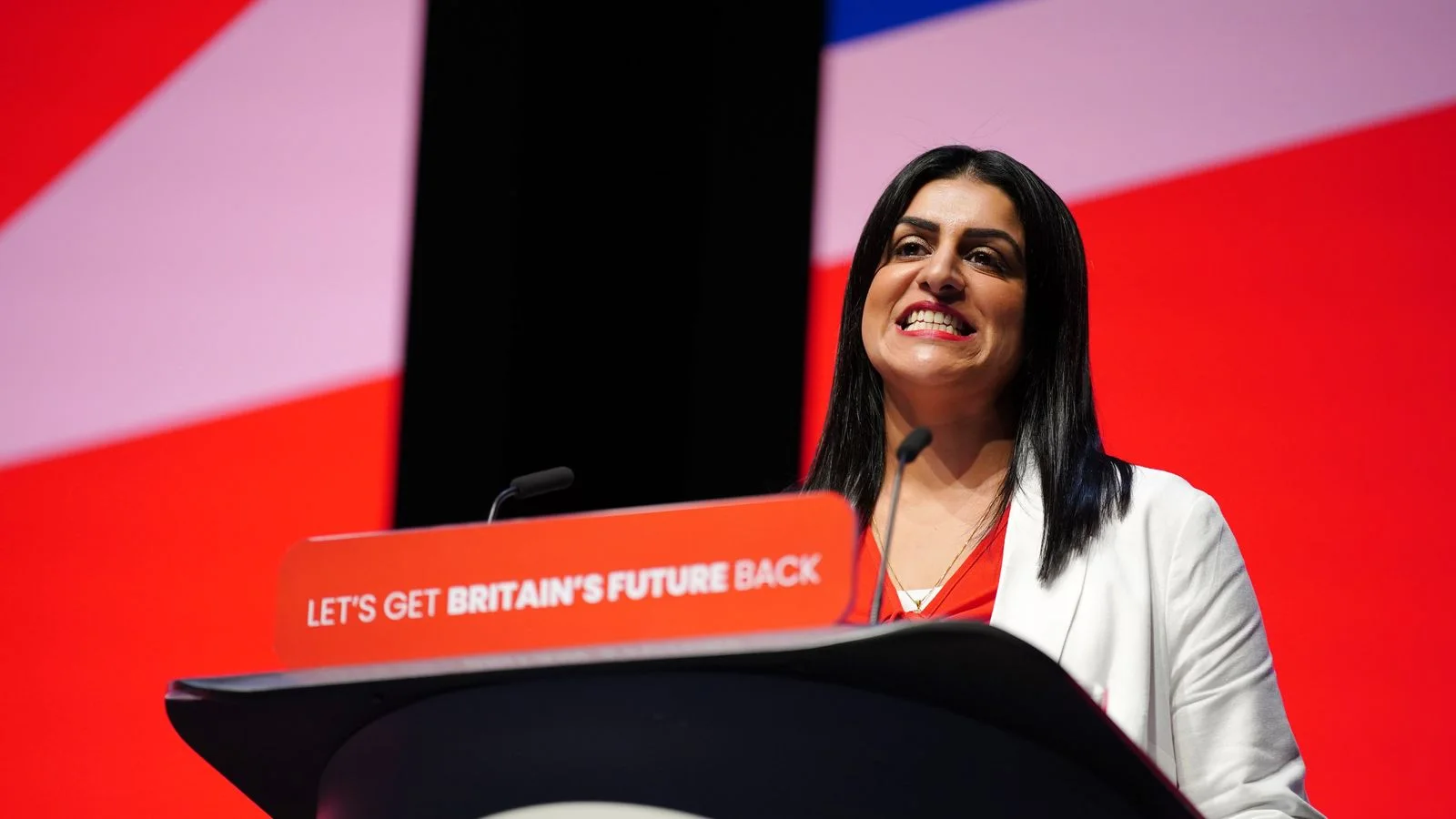
Home Secretary Shabana Mahmood has warned that Eritrea could face a blanket entry ban unless its government agrees to accept more people being returned from the UK, including foreign nationals convicted of crimes.
The warning comes as Britain seeks to put pressure on governments it says are failing to cooperate with its deportation efforts.
The first restrictions are due to take effect on Thursday, with Eritrean diplomats facing tighter controls on their movements outside London. The UK will also suspend fast-track visa services for VIPs as part of the measures.
Under the new rules, Eritrean diplomats will need permission to travel more than 60 kilometres beyond London. The Home Office said the restrictions mirror those imposed on British officials in Eritrea's capital, Asmara.
Mahmood accused Eritrea of failing to honour its responsibilities despite being given opportunities to cooperate with the British government.
"Eritrea has had every chance to accept the return of criminals and those with no right to be in the UK. Unlike other countries, it has refused," said Mahmood.
She added that Britain was prepared to take tougher action against other countries that refused to cooperate with efforts to return their citizens.
The dispute comes as Eritreans account for the largest share of people arriving in Britain through small boat crossings across the English Channel. Figures from the House of Commons Library show that Eritreans represented 18 per cent of small boat arrivals in the 12 months to June.
More than 5,800 Eritreans arrived in Britain through the dangerous crossings during that period, while another 1,300 entered the country on visas, most of them to join relatives already living there.
However, Britain's efforts to return Eritreans directly to their home country have recorded limited results. Home Office figures show that only seven Eritreans were sent back to Eritrea in the 12 months to June, while a further 244 were returned to other countries.
The British government has accused Eritrean authorities of abruptly ending cooperation on returns earlier this year. The Eritrean embassy in London has been contacted for comment.
Despite the government's threat, migration experts have questioned whether restricting entry for Eritreans would lead to a major reduction in arrivals.
Dr Madeleine Sumption, director of the Migration Observatory at the University of Oxford, said the move was unlikely to have much impact because a large proportion of Eritreans who seek asylum in Britain are granted permission to stay.
"Eritrea is one of the major countries of origin for asylum seekers coming to the UK - we had roughly 7,000 asylum applications in the last year of data, roughly 8% of the total," she told BBC Radio 4's Today programme.
"Most Eritreans who come and claim asylum are not removable at all - the government would never be in negotiations to remove them because 84% are successful at initial decision; more will be successful on appeal."
Sumption said about 1,400 Eritreans had initially been denied asylum, but the number was expected to fall as more applicants pursued appeals.
Many young people leave Eritrea to escape compulsory military service, which can last for decades. The country operates under a one-party system and has a long record of restricting political freedoms.
Since gaining independence from Ethiopia in 1993, Eritrea has never held a national election. Independent media are also banned, while critics of President Isaias Afwerki have been arrested and held for years, often without trial.
Religious activities are tightly controlled, with only four groups officially permitted: Orthodox Christianity, Sunni Islam, the Roman Catholic Church and the Evangelical-Lutheran Church of Eritrea. Members of other religious groups have faced long periods in prison.
The proposed restrictions are part of Britain's broader campaign to make countries cooperate in accepting nationals who have been ordered to leave the UK.
In November last year, the Home Office announced that it was ready to suspend visas for countries that "fail to co-operate with the return of their citizens".
Britain had earlier this year threatened similar measures against Angola, Namibia and the Democratic Republic of Congo (DRC).
Restrictions had been announced against the DRC last year, but the Home Office later said they had been lifted after cooperation on returns improved. Angola and Namibia agreed to changes before Britain introduced any restrictions against them.
However, Sumption noted that the British government could be less willing to target countries whose citizens make up large numbers of international students and workers, given the possible economic consequences.
"If you're looking at overall numbers of people who are refused asylum and not returned to their country of origin, it would be places like Pakistan, also Bangladesh that are right at the top of the list," she said.
"But the collateral damage of a ban on visas for those countries when you have so many international students coming, for example, [and] a lot of people coming on work visas would be much greater than a country like Eritrea."
The dispute is unfolding as Britain continues to deal with irregular migration across the English Channel while increasing deportations and other returns.
Home Office figures show that more than 20,400 people had arrived in the UK in small boats since the start of this year. This was 40 per cent fewer than during the same period last year.
At the same time, Britain recorded more than 40,600 returns and deportations between July 2025 and June 2026, an increase of eight per cent compared with the preceding 12 months.
Fewer than 6,000 of the people returned during that period had been convicted of a criminal offence.