UNHCR: 330,000 displaced by Middle East, Afghanistan-Pakistan clashes
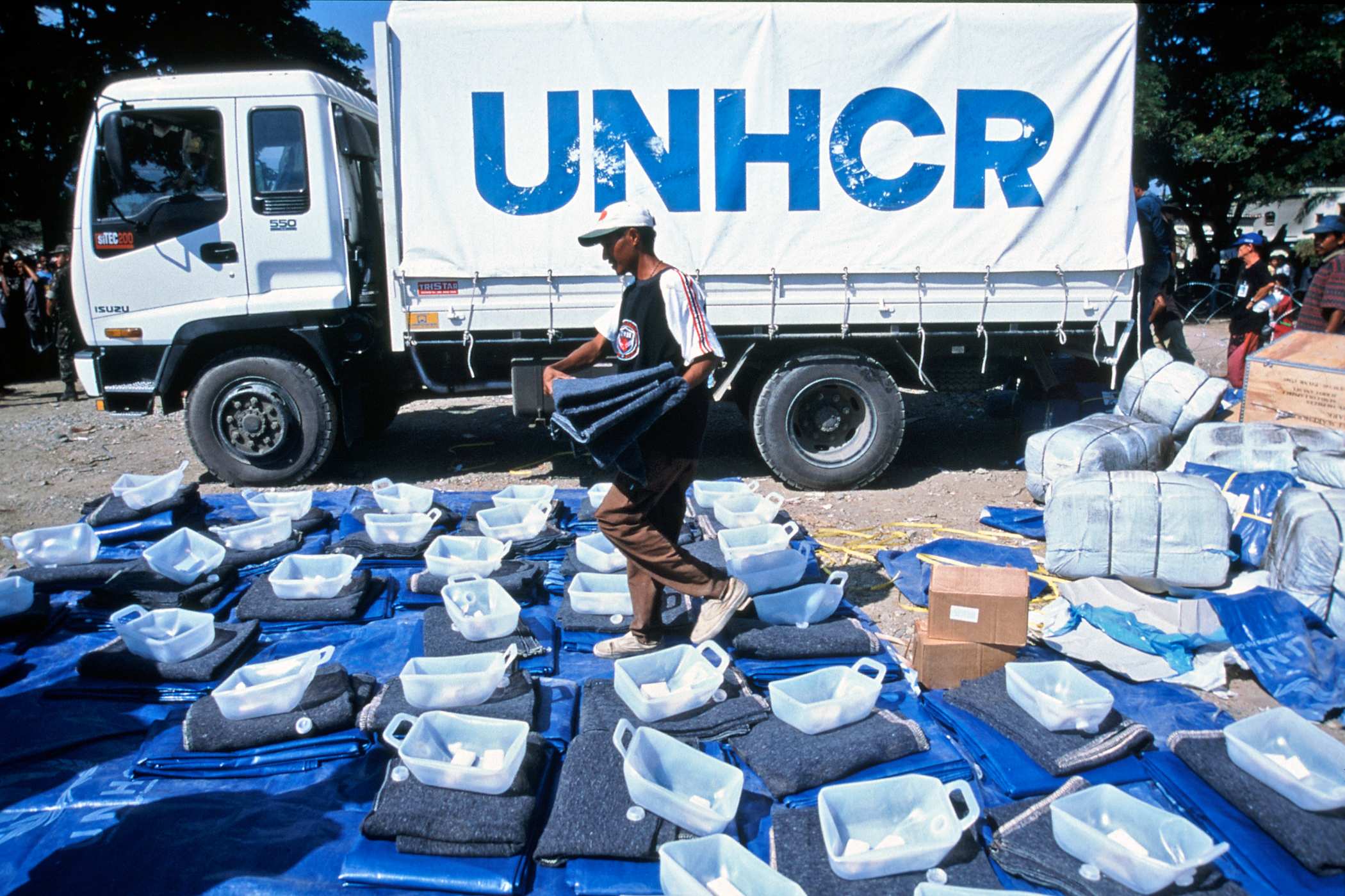
The agency is supporting affected populations and preparing to scale up assistance, while calling for dialogue and de-escalation. Most displacement has occurred within national borders.
United Nations High Commissioner for Refugees, (UNHCR) warns more than 330,000 people have been forcibly displaced amid intensifying hostilities across the Middle East and clashes between Afghanistan and Pakistan.
The agency is supporting affected populations and preparing to scale up assistance, while calling for dialogue and de-escalation. Most displacement has occurred within national borders.
According to their statement on Friday, the agency said that Iran, a long-term host to 1.65 million people forced to flee, mostly from Afghanistan, local estimates indicate that around 100,000 people left Tehran in the first two days following recent attacks.
More updated figures have not yet been made available.
Despite the departures, there has so far been no major increase in cross-border movements from Iran linked to the latest events, according to available information.
In Lebanon, government reports indicate that more than 84,000 people are now sheltering in nearly 400 collective sites. The country has also seen significant movement across its borders since the escalation began.
Authorities report that over 30,000 people have crossed into Syria. Most of those crossing are Syrians, alongside some Lebanese nationals. The movements reflect growing instability and heightened insecurity in parts of the region.
Meanwhile, the situation along the border between Afghanistan and Pakistan remains tense amid active conflict. Reports suggest internal displacement in both countries, with an estimated 115,000 people displaced within Afghanistan and around 3,000 people displaced inside Pakistan.
The pattern of displacement highlights the human impact of the escalating hostilities. While some people have crossed international borders in search of safety, the majority have moved within their own countries, seeking refuge in safer areas or temporary shelters.
UNHCR, has emphasised that it is imperative that all civilians who need to move or cross borders to find safety are given safe passage. The agency’s statement reaffirms the importance of protecting civilians and ensuring access to humanitarian assistance.
Humanitarian organisations are closely monitoring the situation, as continued fighting risks increasing displacement numbers further. The agency’s readiness to scale up operations reflects concerns that needs may grow rapidly if hostilities persist.
The developments across the Middle East and South Asia add to an already complex global displacement landscape. Many of those affected are seeking temporary shelter in collective centres, with governments and humanitarian partners coordinating emergency support.
In Iran, Lebanon, Afghanistan and Pakistan, local authorities and international partners are managing evolving displacement flows while assessing humanitarian requirements. The situation remains fluid, and updated figures are expected as assessments continue.
UNHCR’s call for dialogue and de-escalation comes as civilian protection remains a central concern. The agency has reiterated its commitment to supporting displaced communities and working with governments and partners to respond to urgent needs.
As hostilities continue, humanitarian agencies warn that prolonged violence could further strain shelter capacity, food supplies and essential services in affected areas.
For now, the focus remains on providing immediate assistance, monitoring population movements, and advocating for measures that prioritise civilian safety.


Comments
Sign in with Google to comment, reply, and like comments.
Continue with Google