
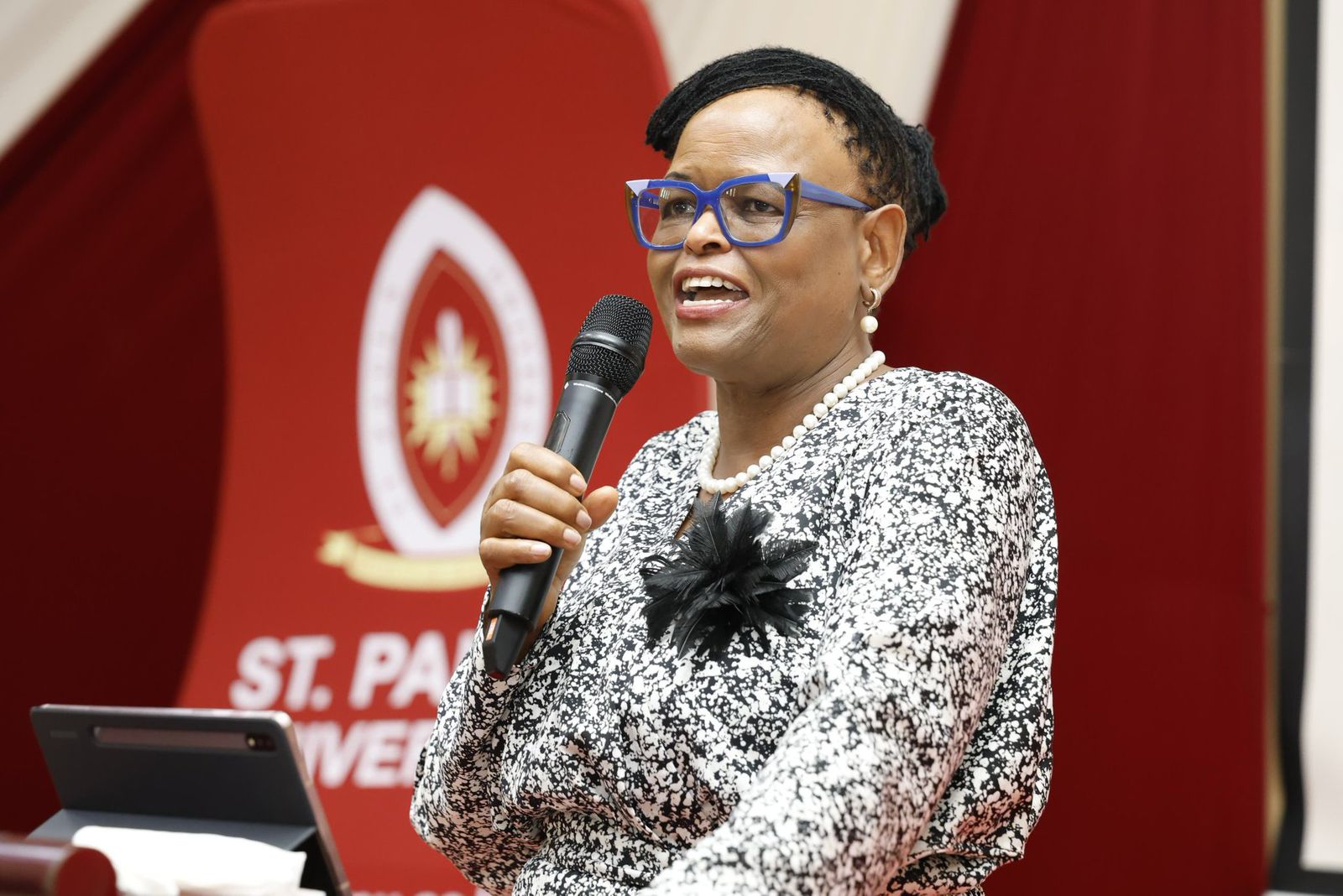
With the next General Election still some time away, Chief Justice Martha Koome has called on institutions in the justice sector to begin preparing now, warning that protecting the credibility of the 2027 polls will depend on how ready the country is to handle election-related disputes before they arise.
Addressing a National Council on the Administration of Justice forum in Mombasa County, Koome said election preparedness is a shared responsibility that extends beyond the Independent Electoral and Boundaries Commission and requires close coordination among all institutions responsible for upholding justice and the Constitution.
“As we look ahead to the 2027 General Election, the council must continue preparing early. Election preparedness extends beyond electoral management. It encompasses the readiness of the entire justice sector to uphold constitutionalism, protect rights, manage disputes efficiently and preserve public confidence in the rule of law,” she said.
She called on the council's Election Preparedness Committee to sustain its leadership role by bringing justice sector agencies together to plan ahead, saying timely preparations will help ensure election disputes are resolved fairly, quickly and in a manner that strengthens confidence in democratic institutions.
Koome noted that the National Council on the Administration of Justice has continued building the capacity of institutions involved in the administration of justice through stronger dispute resolution systems, protection of judicial independence and increased public awareness.
She also urged justice sector agencies to embrace a common roadmap for digital transformation, saying technology has become a key pillar in improving service delivery.
“It is essential for improving coordination, facilitating secure information sharing, strengthening data governance, reducing duplication of effort and enabling evidence-based decision-making,” she said.
According to the Chief Justice, the Judiciary's digital transformation has grown beyond electronic court operations and now focuses on connecting institutions across the justice sector to improve collaboration and efficiency.
She said one of the major milestones has been the integration of the Office of the Director of Public Prosecutions' Uadilifu Case Management System with the Judiciary's Case Tracking System, allowing criminal files and charge sheets to be transmitted electronically.
“We have established dedicated digital accounts for the Kenya Prisons Service, enabling prison facilities to file appeals, track cases, verify court orders, and support prisoner production. We have also integrated with the National Transport and Safety Authority to facilitate real-time verification of motor vehicle ownership and are in the final stages of integrating with the Ministry of Lands’ Ardhi Sasa platform to strengthen the management of land-related disputes,” she said.
Koome said the Judiciary has also introduced dedicated digital accounts for the Probation and Aftercare Service to allow the secure electronic submission of probation reports. She added that ongoing integration with the Department of Children Services will support faster and smoother exchange of information on children's matters.
The Chief Justice further revealed that specialised confidential digital accounts have been developed for the Ethics and Anti-Corruption Commission, while collaboration with the Witness Protection Agency is creating a secure digital platform for filing sensitive cases that require a higher level of confidentiality.
“I believe these are milestones worth celebrating. I would therefore request the National Council on the Administration of Justice to provide an opportunity for a live demonstration of these integrations and specialised accounts so that justice sector stakeholders can appreciate the progress already made and the opportunities they present for transforming service delivery,” she said.