Transport operators warn ferry tariffs will raise cost of living at coast
Officials drawn from Vocal Africa, Fast Action Business Community, Tuk Tuk Association, Boda Boda Association and Taxi Association said the new structure is unfair to residents and business operators who rely heavily on the channel for daily movement and trade.
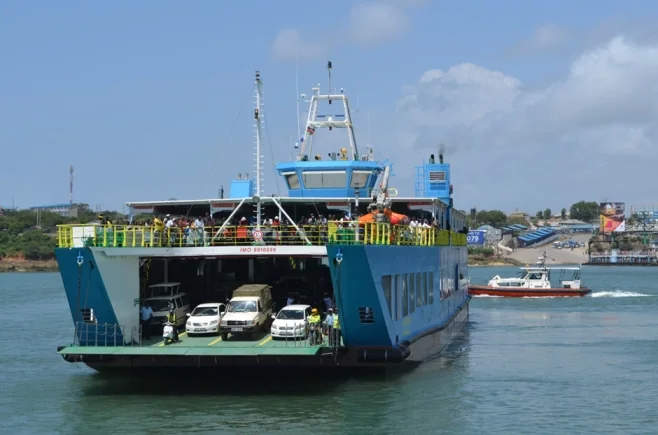
Coast transport operators have raised the alarm over newly introduced ferry fees at the Likoni crossing channel, warning that the changes will hit businesses, commuters and small traders and trigger a rise in the cost of transport and goods across the region at a time when many households are already struggling with mounting economic pressure.
Transport operators and civil society organisations at the Coast have opposed the revised tariffs, saying the new charges, which took effect on May 22, have made it more expensive to use the Likoni crossing channel, the key link between Mombasa Island and Likoni, which also serves as the main route to the South Coast.
Officials drawn from Vocal Africa, Fast Action Business Community, Tuk Tuk Association, Boda Boda Association and Taxi Association said the new structure is unfair to residents and business operators who rely heavily on the channel for daily movement and trade.
In a joint statement, Vocal Africa Coast Coordinator Walid Sketty said the timing of the new charges has worsened pressure on already strained households and businesses.
He warned that the added costs will not be absorbed by operators and will instead be passed on to consumers through higher fares and increased prices of basic goods.
“Transport operators, small traders and ordinary families are already overstretched and cannot absorb additional costs,” said Sketty.
He added that boda boda riders, tuk tuk operators, taxi drivers and small-scale traders who depend on affordable movement between Mombasa Island and the mainland will bear the heaviest impact.
Under the revised tariff structure announced by the Kenya Ports Authority, charges will now depend on the type and size of vehicles using the crossing channel.
Small private cars measuring up to 4.5 metres will pay Sh180 per metre, while those between 4.6 and six metres will be charged Sh225 per metre. This category includes sport utility vehicles and crossover utility vehicles below six metres.
Pickup trucks and vans will attract charges ranging from Sh350 to Sh438 per metre depending on classification.
Motorcycle operators and mkokoteni users will each pay Sh75 per trip, while tuk tuk operators will be charged Sh100.
Public service vehicles have also been affected, with minibuses, shuttles and smaller buses paying Sh900 per metre, while larger buses measuring between nine and 11 metres will pay Sh1,650 per metre.
Light commercial trucks will be charged between Sh438 and Sh500 per metre, while medium trucks will pay between Sh750 and Sh1,125 depending on size.
Heavy trucks will attract charges ranging from Sh1,500 to Sh1,875 per metre, while extra-heavy vehicles measuring between 15 and more than 17 metres will be charged up to Sh2,125 per metre.
The operators maintain that unless the charges are reviewed, the changes will ripple through transport costs, trade and household spending across the Coast region.
Going further, the groups also questioned how the new tariffs were introduced, saying there was no proper public participation or consultation before the rollout of the revised charges.
“While other regions hear of empowerment projects, the Coast is instead confronted with increased charges and additional burdens,” said Sketty, adding, residents should not be treated “as second-class citizens through policies that worsen their economic hardship.”
The organisations said they are now considering legal action, arguing that the process used to introduce the levies goes against constitutional requirements on public participation.
Mombasa County Boda Boda Operators Association chairman Halifa Mwatsahu said transport and logistics operators were still recovering from economic hardship and warned that the new charges will raise operating costs.
“The burden will ultimately be passed to wananchi through higher fares and increased prices of goods and services,” he said.
Mwatsahu said government should focus on easing the cost of living instead of introducing what he termed punitive levies.
The groups are now demanding the immediate suspension and reversal of the charges and are calling for a transparent engagement process involving all stakeholders before any new tariffs are implemented.



Comments
Sign in with Google to comment, reply, and like comments.
Continue with Google