Deputy principals drag TSC to Parliament over stalled promotions
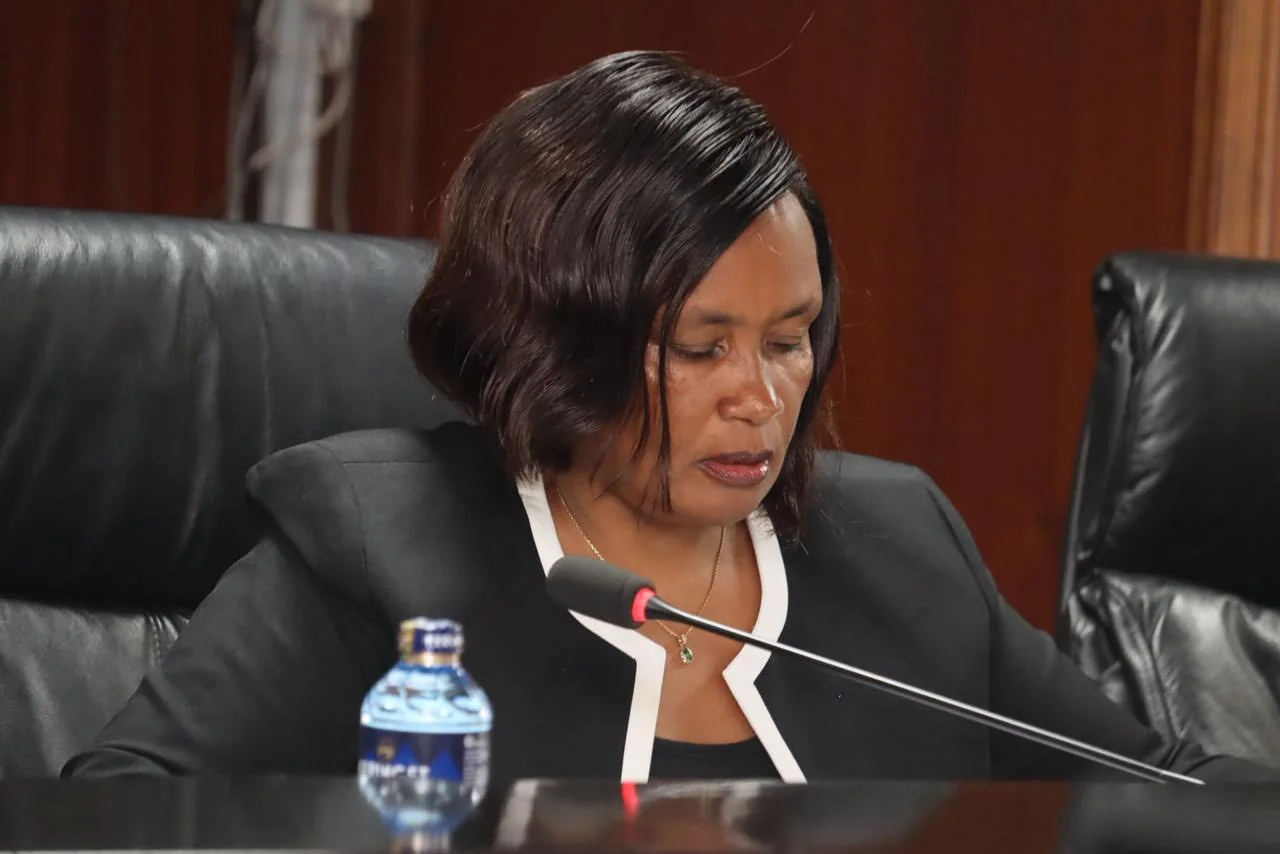
In their petition before the National Assembly, 16 deputy principals led by Maurice Otieno Ouma and Paul Juma Were say many of their colleagues have remained in the same grades for years despite holding senior school leadership positions.
A new dispute is brewing over teacher promotions after deputy principals took their grievances to Parliament, accusing the Teachers Service Commission of keeping long-serving school leaders stuck in the same job groups despite years of experience and rising responsibilities.
The matter comes as the commission races against a June deadline to complete a revised career framework already facing resistance within the sector.
In their petition before the National Assembly, 16 deputy principals led by Maurice Otieno Ouma and Paul Juma Were say many of their colleagues have remained in the same grades for years despite holding senior school leadership positions.
They argue that the current promotion structure has failed to reward long service, academic advancement, and expanded duties in schools.
They further claim that the shift from the former grading system to the current one left a section of teachers worse off in terms of career status. According to them, the conversion of teachers previously in Job Grade N into D1 did not reflect their experience or seniority.
“The implementation of the Career Progression Guidelines has occasioned discrimination, inequity and stagnation among deputy principals who have diligently served in leadership positions for many years,” the petition states.
“It did not take into account the number of years that the teachers had stagnated in the various job groups, and in particular teachers in Job Groups M and N whose conversion could be to D3 and D4,” the petition further reads.
The petitioners are now seeking Parliament’s intervention to push for recognition of years served under the old structure, fair promotion pathways, harmonisation of job groups, and clearer career progression structures for deputy principals. They also want the disparities created during the transition to the current system corrected.
The Speaker Moses Wetang’ula referred the petition to the Departmental Committee on Education for consideration and directed that findings and recommendations be tabled in the House.
At the centre of the debate is the Teachers Service Commission, which continues to operate under the 2018 Career Progression Guidelines even as it works on a revised framework expected to reshape teacher promotions. The current system has faced criticism from teachers’ unions, who argue that it does not clearly link performance to advancement and lacks clear promotion criteria.
The proposed 2026 Career Progression Guideline introduces a new structure that will allow teachers to move within a unified grading scale running from Teacher 9 at entry level to Teacher 1 at the top. It also introduces dual career pathways separating classroom teaching progression from administrative leadership progression.
According to Evaleen Mitei, the reforms are necessary due to changes in curriculum and expanded responsibilities for teachers under the competency-based education system.
“Career progression structures developed a decade ago may no longer adequately respond to today’s expanded curriculum as well as administrative responsibilities that our teachers undertake on a day to day basis,” she said.
Under the proposed system, teachers will be able to rise through the ranks without necessarily leaving classroom teaching, with separate tracks for those pursuing instructional roles and those moving into administration.
“This is the most progressive document that has been generated by this commission since 1960, addressing the gaps and sealing loopholes that have been there,” said Jamleck Muturi.
The petition has already triggered debate in Parliament, with lawmakers saying the concerns reflect broader frustrations within the teaching profession.
Owen Baya, a former deputy principal, said school administrators handle heavy responsibilities including discipline, academic performance, administration, and student welfare, yet many remain stuck in the same job groups for long periods.
Janet Sitienei added that delayed promotions have affected morale in schools, warning that productivity and leadership quality suffer when teachers feel their efforts are not rewarded.




Comments
Sign in with Google to comment, reply, and like comments.
Continue with Google