MPs reignite caning debate as schools face wave of unrest
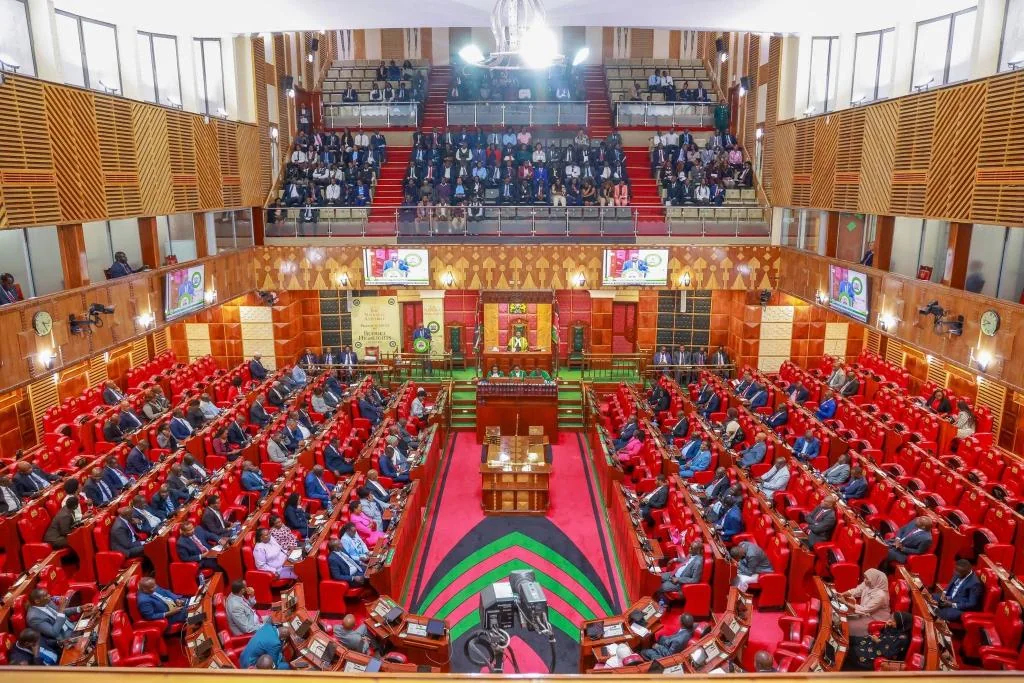
School unrest has remained a recurring challenge in many institutions, with some schools reporting cases of arson, destruction of property and confrontations between students and school administrations.
The debate over discipline in schools has been reignited after Members of Parliament hinted at the possible return of caning, as the National Assembly Committee on Education launched a nationwide inquiry into the growing cases of student unrest, arson attacks and indiscipline in learning institutions.
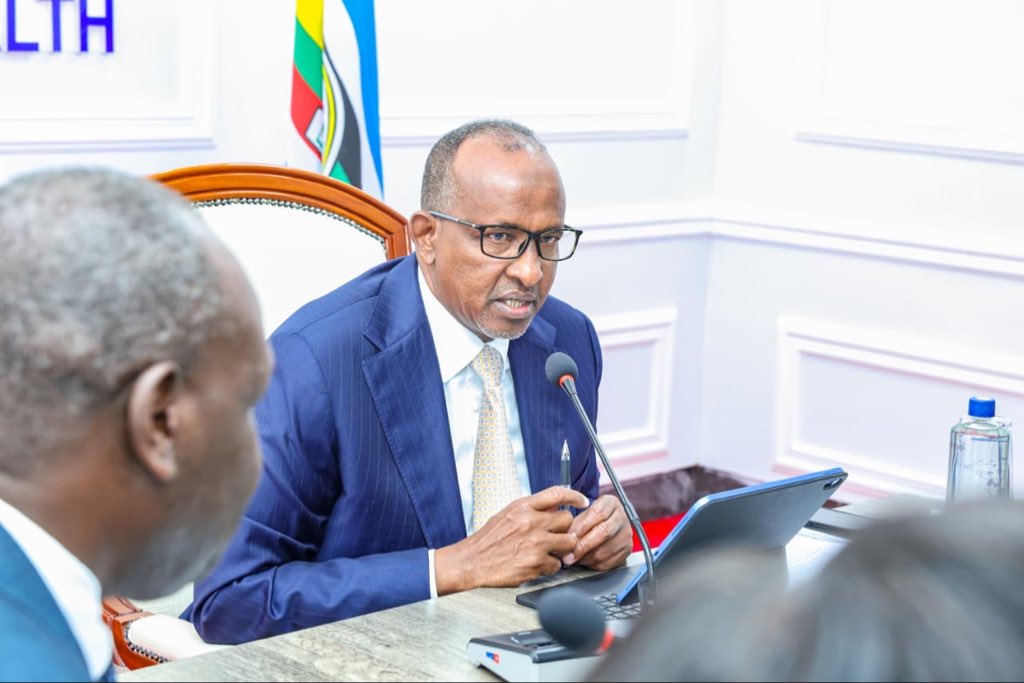
The committee, chaired by Tinderet MP Julius Melly, said it will carry out a detailed investigation into the causes of repeated unrest in schools and recommend measures aimed at restoring discipline and preventing further incidents.
During a committee session on Thursday, lawmakers raised concerns over the increasing number of cases involving school violence, destruction of property and student misconduct. Some argued that the current disciplinary systems may no longer be effective in addressing the challenge.
Several MPs suggested that the country should reconsider some of the disciplinary methods used in the past, including corporal punishment, which was banned years ago.
Magarini MP Harrison Kombe said Kenya should review what he termed as excessive rights given to learners and bring back some disciplinary measures that previously helped maintain order in schools.
“Should our children have rights and privileges? Because the right that a child cannot be caned has spoilt our children,” Kombe said.
“The cane was really working for our children, some things has to be done.”
Kombe also linked the discipline crisis to what he described as the adoption of foreign ideas at the expense of local solutions.
“We are going with the world, but as far as I am concerned, they are killing Africa,” he said.
Kenya banned caning and corporal punishment in schools in 2001 as part of efforts to align with international human rights standards and protect children from abuse, violence and trauma.
The ban was implemented through a Gazette notice issued by the Ministry of Education and later reinforced through the Children’s Act and broader constitutional protections for children.
Melly said the country is facing a deeper social problem that has contributed to rising unrest among learners.
“Kenya has completely lost the social fabric, as teachers or former teachers, we know well that children learn more from seeing than from instructions,” Melly said.
According to the committee chairperson, society has failed to provide positive examples for young people.
“If you want them to burn more then continue burning tyres on our roads, police station – they copy from us.”
Melly spoke while announcing the committee’s decision to begin an inquiry into the root causes of unrest in learning institutions across the country.
The investigation comes shortly after the tragic fire at Utumishi Academy in Nakuru County that claimed the lives of 16 learners.
The incident was followed by heightened tension in a number of schools, prompting authorities to close some institutions as a precautionary measure.
Melly said the committee plans to summon officials from the Ministry of Education, the National Police Service and the Teachers Service Commission to provide information on the causes of the unrest and possible long-term solutions.
“We want to understand what is driving these incidents and what interventions are required to protect learners, teachers and school property,” he said.
As part of the inquiry, the committee will also conduct public hearings in different counties and engage parents, teachers, student leaders, religious leaders and other education stakeholders.
The consultations will seek views on discipline, mental health, parental responsibility, the influence of technology and the effectiveness of existing education policies.
School unrest has remained a recurring challenge in many institutions, with some schools reporting cases of arson, destruction of property and confrontations between students and school administrations.
Stakeholders are expected to present their views on the proposal to reintroduce caning as a disciplinary tool in schools.
While supporters of the proposal argue that stricter disciplinary measures are needed to restore order, others maintain that counselling, mentorship and stronger parental involvement offer more sustainable ways of addressing discipline challenges among learners.
The committee’s findings are expected to inform policy reforms aimed at tackling discipline issues in schools and preventing similar tragedies in future.
Its final report will be tabled before the National Assembly for consideration and possible legislative action.



Comments
Sign in with Google to comment, reply, and like comments.
Continue with Google