Ruto urges Marsabit leaders to boost school enrolment as government expands education funding
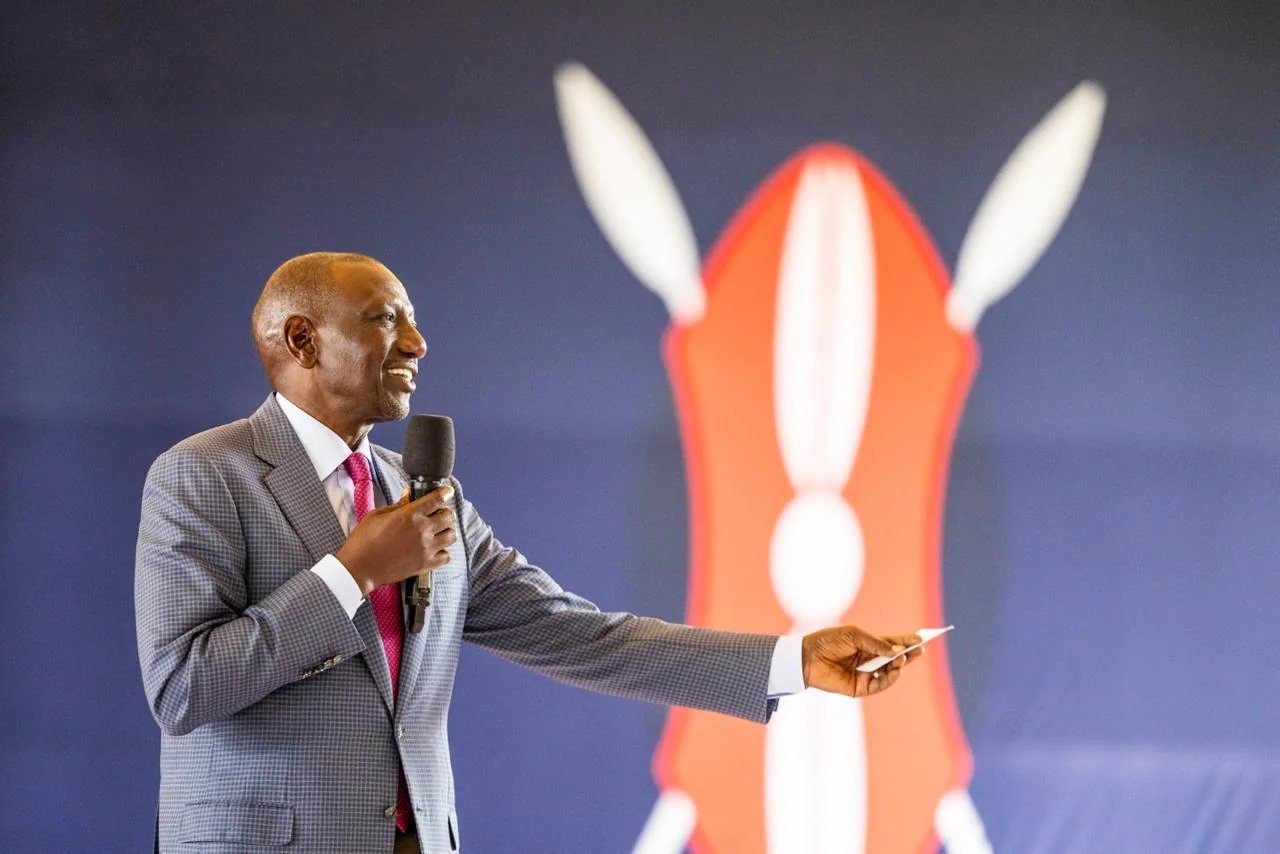
The Head of State stressed that education gaps inherited in 2022 required urgent correction, pointing to shortages in staffing, learning spaces, and funding challenges that had slowed delivery across the country.
A push for full school attendance and stronger education access in Marsabit took centre stage at State House on Friday as President William Ruto urged local leaders to take a more active role in ensuring every child is enrolled in learning institutions.
Speaking during a meeting with grassroots leaders from Marsabit County, William Ruto said education remains the most powerful equaliser in society, noting that government efforts are focused on expanding opportunities through teachers, infrastructure, and funding support.
He stressed that education gaps inherited in 2022 required urgent correction, pointing to shortages in staffing, learning spaces, and funding challenges that had slowed delivery across the country.
“Education is the most important thing above all else; it brings equality. Children from poor and wealthy families become equal because of education.” President Ruto stated.
He explained that when the current administration took office, it faced a deficit of more than 116,000 teachers, insufficient classrooms, funding constraints, and difficulties in implementing the Competency-Based Curriculum (CBC).
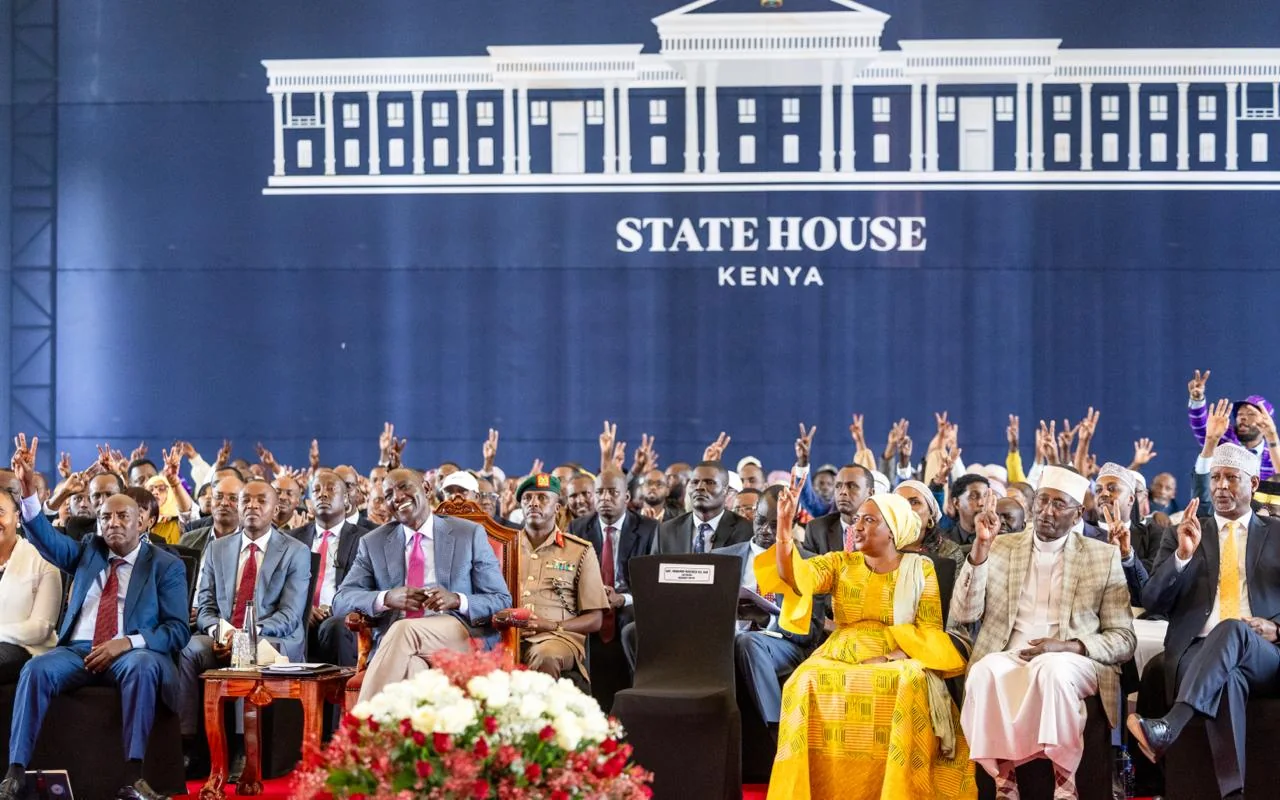 President William Ruto hosts delegation from Marsabit County at State House on June 12, 2026. PHOTO/PCS
Education has since remained the biggest beneficiary of national spending, with allocations rising from about Sh526 billion in the 2021/22 financial year under former President Uhuru Kenyatta to Sh784.5 billion in the 2026/27 budget presented by Treasury CS John Mbadi on June 11, marking a 49 per cent rise.
The Teachers Service Commission received Sh424.3 billion in the latest budget, with education taking up 26.4 per cent of total government expenditure, making it the largest share of public resources.
Government data shows the increased funding has supported the hiring of 100,000 teachers, construction of more than 23,000 classrooms, and expansion of CBC-related infrastructure across the country.
The President said these interventions are meant to ensure that no child is left behind, adding that his administration has prioritised both staffing and learning facilities.
“We have hired 100,000 teachers in the last three years, a quarter of Kenya’s 400,000 teachers, and no government since independence has done so within that period because education is important and it brings equality,” he noted.
“We have built 23,000 classrooms to ensure there are enough learning spaces, improved the funding model, increased education funding, and we do not want even a single child in Kenya to miss the opportunity to go to school.”He added.
Turning attention to Marsabit, the Head of State urged families to ensure children attend school, warning against keeping them at home for livestock duties despite ongoing government investments in the region.
“I urge the people of Marsabit: we are investing a lot of money in education. Every child must be in school, don't let your children look after your herds,” he told them.
He also said local community policing structures will be drawn into the effort to improve school attendance across the county.
“We will provide incentives to Nyumba Kumi elders to help fast-track government initiatives and ensure that children are in school,” he added.
He further noted that efforts are underway to expand higher education opportunities in marginalised regions, including plans to establish a constituent campus in Marsabit in collaboration with Egerton University.
“You have also asked that Marsabit County have its own university. I have spoken with Egerton University, and we have agreed to begin with a constituent campus. We will build hostels, an administration block, and tuition facilities. We have allocated Sh500 million to get the project started, and I will come to launch it in August,” the President stated.
He maintained that education remains central to the government’s long-term development plan, saying expanding access will help close inequality gaps and improve future prospects for young people.
His remarks framed education as a key priority in discussions with Marsabit leaders, with renewed calls for collaboration between communities and government to keep all children in school.




Comments
Sign in with Google to comment, reply, and like comments.
Continue with Google