Global Peace Index warns Kenya may face economic stress as debt risks rise
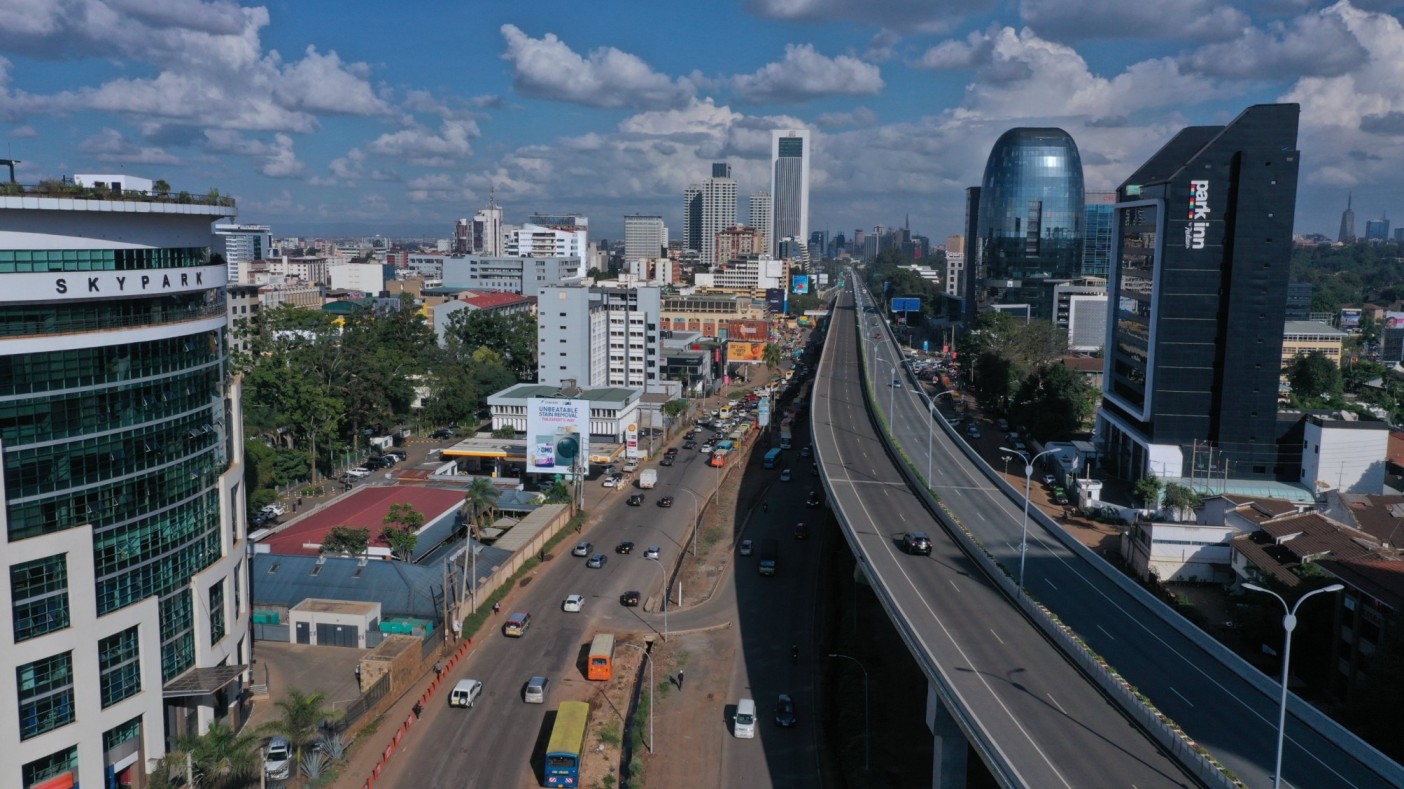
The 2026 Global Peace Index says Kenya, while not in direct armed conflict, could face politically sensitive economic strain as regional instability and tighter global finances increase debt repayment and food supply risks ahead of elections.
A fresh global security assessment is warning that Kenya could be heading into a politically sensitive period under growing pressure from rising international tensions, regional instability and tightening financial conditions that may shape the country’s economic direction as elections approach.
The 2026 Global Peace Index, published by the Institute for Economics and Peace, shows a world where conflict levels have climbed to their highest point since the end of the Second World War. The report notes that even countries outside active war zones are now feeling the ripple effects through strained economies, disrupted trade routes and increased financial risks.
Kenya is not classified among nations experiencing direct armed conflict, but the report says it is still exposed to shocks originating from instability in regions such as the Middle East and the Horn of Africa. These pressures, it adds, are expected to influence key national conversations in the lead-up to the next elections.
The study points to rising fuel costs linked to disruptions in the Strait of Hormuz, saying these developments have already added pressure on President William Ruto’s government by increasing the cost of living and shaping public debate.
In its global ranking, Kenya is placed at position 132 out of 163 countries in the peace index, marking a slight improvement from the previous year.
The report also highlights Kenya among countries that have been involved in a high number of external conflicts between 2020 and 2024. It lists Kenya alongside the United States, Niger, France and Chad as nations that participated in eight or more external engagements during the period.
Despite this, the report says the more pressing concern lies in the growing exposure to financial stress, food supply risks and instability across the region.
A key focus of the report is Kenya’s debt position at a time of heightened global uncertainty. It warns that external repayment obligations could become harder to manage if international conditions deteriorate further.
Kenya, Egypt and Pakistan are projected to face combined debt rollover commitments of about $5.1 billion, equivalent to Sh657.9 billion, by late 2026. The timing, the report notes, could coincide with disrupted agricultural output and tighter global financing conditions.
“In November and December, Pakistan ($1.9 billion), Egypt ($2.3 billion), and Kenya ($0.9 billion) face large external debt maturities. Under Scenario 2 [Extended ceasefire or stalemate of Iran war], rolling these over at manageable rates is uncertain for all three. Under Scenario 3 [The war resumes and the Strait of Hormuz is shut for an extended period], it is effectively impossible,” the report says.
The report further cautions that many developing economies entered the current period with already stretched fiscal positions, largely due to borrowing during the Covid-19 crisis. This has left limited room for governments to respond to fresh shocks.
It adds that countries dependent on imported energy are now more vulnerable, as rising global uncertainty continues to tighten budgets and reduce economic flexibility at a time when stability is most needed.




Comments
Sign in with Google to comment, reply, and like comments.
Continue with Google