KAM warns Kenya losing edge as production costs climb
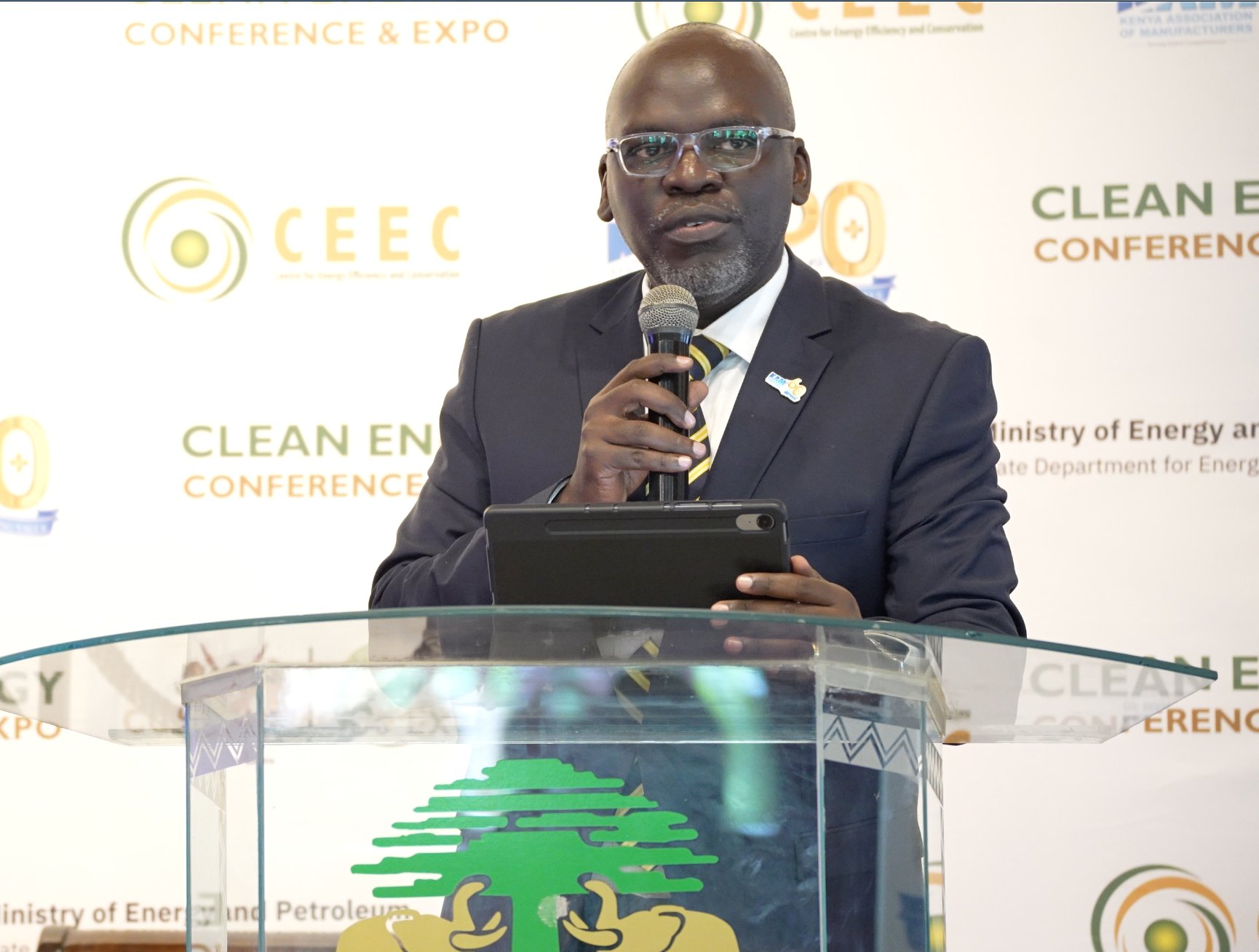
KAM argues that unpredictability in tax regimes continues to undermine investor confidence in the manufacturing sector
Kenya’s manufacturing sector is calling for sweeping changes in how the country handles taxation, electricity pricing, and industrial inputs, warning that current policies are pushing up production costs and weakening Kenya’s position in regional trade. The Kenya Association of Manufacturers says the rising cost of doing business is making it harder for local firms to compete as neighbouring countries improve their production environments.
Chief Executive Tobias Alando said investors are becoming less confident due to shifting tax rules and high operating costs, even as some reforms begin to support areas like mobile phone assembly and e-mobility. He noted that without a clear and stable policy direction, Kenya risks losing its long-held industrial advantage in East Africa.
Speaking on Friday at a local radio station, he called for a major rethink of the country’s economic direction, saying:
“We need a total shift in our national strategy to improve the business environment and address perennial challenges that continue to stifle growth,” Alando noted, pointing to three key areas requiring urgent intervention.
On taxation, the association urged the government to fully align with its own policy framework to restore confidence among investors and manufacturers.
“Tax Policy Predictability: Government must adhere to the National Tax Policy, ensuring stability and predictability in taxation. This will build investor confidence and encourage long-term commitments to Kenya’s manufacturing sector,” he noted.
Energy costs were singled out as another major barrier, with manufacturers arguing that expensive electricity continues to weaken industrial growth and limit expansion.
“Our electricity costs remain among the highest in Africa and even within the East African region. Energy pricing is a direct driver of competitiveness — lowering costs is essential to attract investment and sustain industrial growth,” Alando stressed.
The association also raised concern over taxes applied to raw materials, saying they push up production costs and reduce the affordability of locally made goods.
“Current taxation on raw materials undermines competitiveness. When inputs are taxed, the final products become more expensive, reducing affordability and eroding Kenya’s edge in regional and global markets,” he stated.
KAM further warned that Kenya is steadily losing ground in regional exports as other countries strengthen their manufacturing base and attract more investment.
“Kenya’s export market share in the region is shrinking as neighboring countries catch up. They are producing goods they once imported from Kenya, thanks to more favorable business environments. Without urgent reforms, Kenya risks losing its manufacturing leadership in East Africa,” Alando warned.
Despite the concerns, the lobby group acknowledged recent government efforts aimed at easing production costs in targeted sectors such as mobile phone assembly and electric mobility.
“We are cognisant of the government’s recent efforts to remove input taxes on components used in mobile phone assembly and the e-mobility sector. These measures are commendable as they directly lower production costs, encourage investment, and spur growth in industries that are critical to Kenya’s future,” he added.
KAM said these steps show what is possible when fiscal policy is aligned with industrial goals but insisted that broader reforms are still needed to fix long-standing structural challenges affecting manufacturing.
The association concluded that unless Kenya moves quickly on coordinated reforms in taxation, energy pricing, and input costs, it risks losing more ground in the regional manufacturing race despite its past dominance.




Comments
Sign in with Google to comment, reply, and like comments.
Continue with Google