Mudavadi urges South Korean investors to back jobs, skills and industry in Kenya
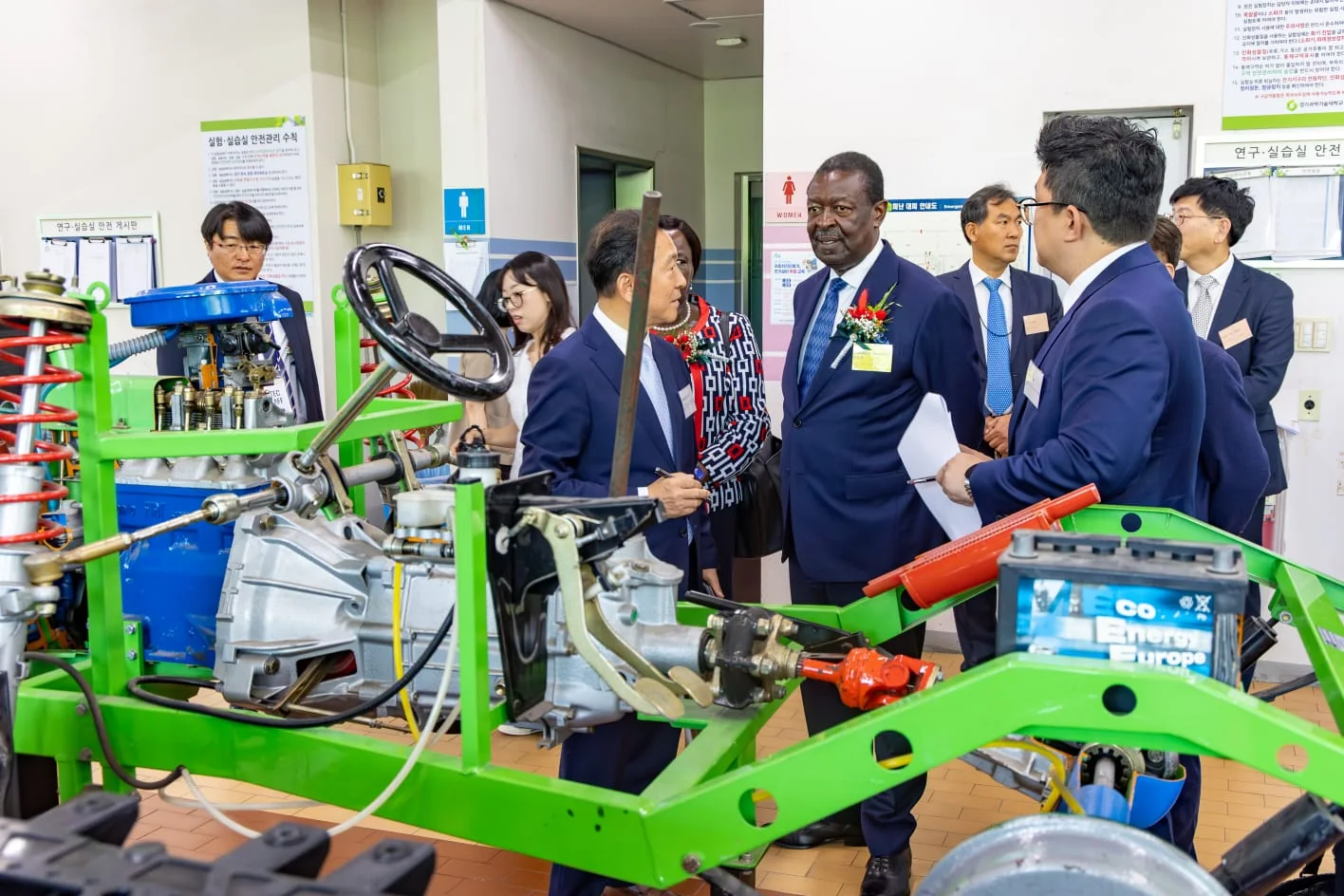
Mudavadi highlighted that Kenya was committed to creating an environment that supports investment and structured collaboration with South Korean companies
Prime Cabinet Secretary Musalia Mudavadi has urged South Korean investors and institutions to deepen partnerships with Kenya, saying the country is seeking investments that create jobs, transfer skills, and support industrial growth.
Mudavadi highlighted opportunities in manufacturing, technology, renewable energy, and education as Kenya positions itself as a regional economic hub.
Speaking on Wednesady during a visit to the Gyeonggi University of Science and Technology (GTEC) in Siheung City, South Korea, he highlighted that Kenya was positioning itself as a preferred destination for investment and innovation, with opportunities spanning manufacturing, industrial technology, renewable energy, electronics, ICT, mobility solutions, engineering, and smart city development.
Addressing representatives of Korean industry and civil society, the Prime Cabinet Secretary highlighted that Kenya was committed to creating an environment that supports investment and structured collaboration with South Korean companies.
“Kenya is a gateway to a market of over 500 million people in the East African region, supported by a stable democracy, a skilled workforce, and a rapidly modernizing infrastructure. Kenya and Korea share a common belief that human capital, innovation, and technology are the engines of national transformation,” he highlighted.
The Prime Cabinet Secretary noted that South Korea’s economic journey had become a model for industrial development and innovation, adding that Kenya was keen to draw lessons from the Asian nation’s success.
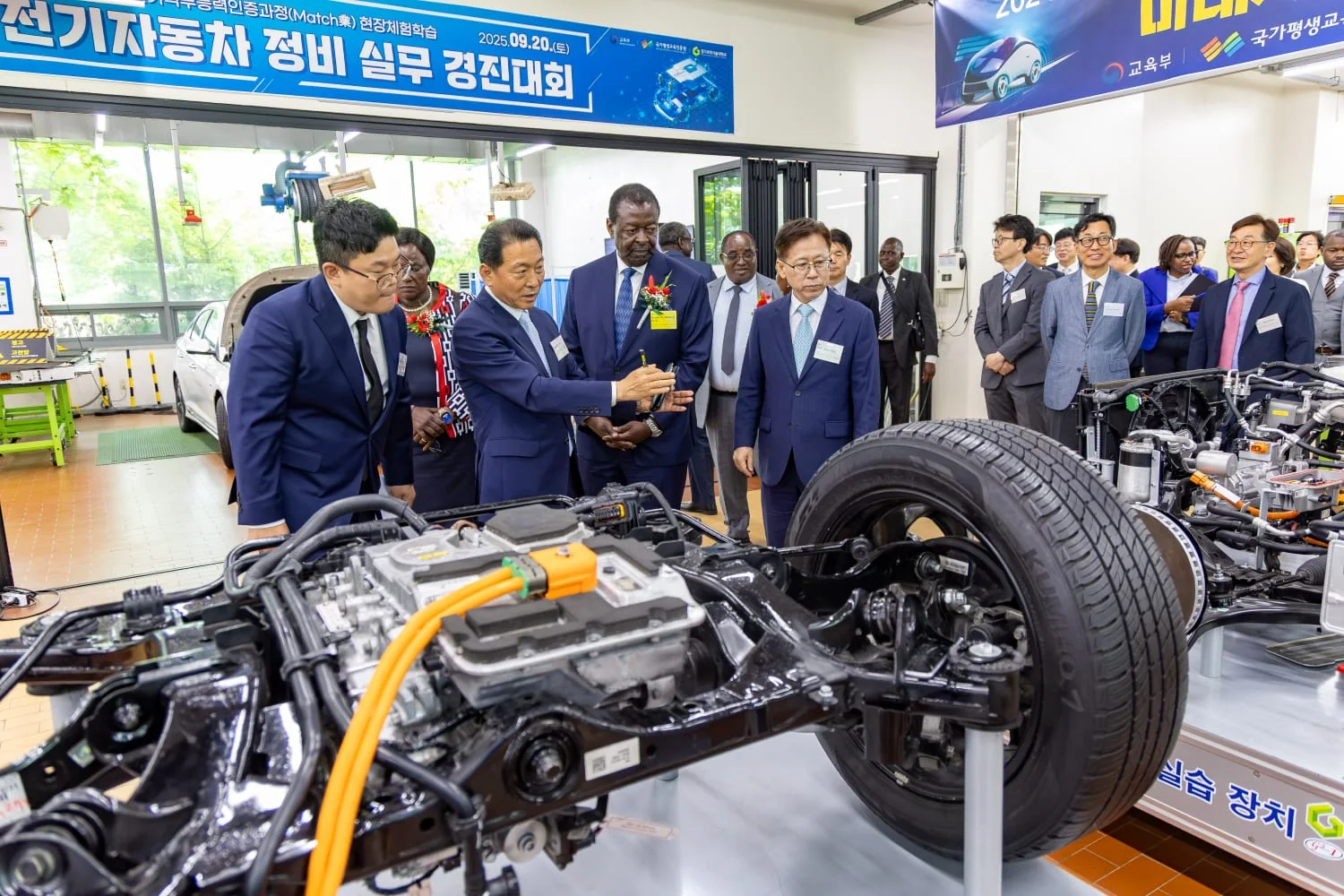 Prime Cabinet Secretary and Cabinet Secretary for Foreign and Diaspora Affairs Musalia Mudavadi takes a tour of engineering and locomotives workshop at the Gyeonggi University of Science and Technology (GTEC) in Siheung City, Gyeonggi Province, South Korea. (PHOTOS: Humphrey Odhiambo/OPCS)
“Korea has become a global benchmark for industrial excellence, and Kenya is looking forward to tapping into the immense Korean potential to build a future anchored in innovation, skills, and shared prosperity,” he stressed.
Mudavadi emphasized that Kenya’s interest extended beyond attracting capital, arguing that long-term partnerships should contribute directly to employment creation, skills development, and industrial growth.
“Kenya is not just open for business—we are eager for partnerships that create jobs, transfer skills, and build industries that will define the future. We value Korean companies for their reputation in quality, innovation, and long-term commitment,” he stated.
He further urged stakeholders from both countries to strengthen institutional and commercial ties.
“Let us continue to strengthen the bridges between our peoples, our institutions, and our industries. Together, we can shape a partnership that is not only mutually beneficial but transformative,” he added.
Mudavadi, who also serves as Cabinet Secretary for Foreign and Diaspora Affairs, said Kenya was particularly interested in expanding collaboration with Korean universities and technical institutions to support the development of a highly skilled workforce.
He said the government was implementing plans to expand Technical and Vocational Education and Training (TVET) institutions, modernise curricula, and strengthen partnerships between learning institutions and industry.
“I am encouraged by the ongoing collaborations between GTEC and Kenyan institutions, and I welcome the possibility of expanding these partnerships through student exchanges, faculty cooperation, joint research, and technology transfer. Kenya is ready to learn from Korea’s remarkable experience in linking education to industrial growth,” Mudvadi explained.
The Prime Cabinet Secretary also highlighted the role of civil society organisations in advancing social and economic development, saying non-governmental organisations remain important partners in strengthening communities and supporting vulnerable populations.
He noted that civil society groups contribute significantly to education, healthcare, and technology access, complementing government programmes aimed at improving livelihoods.
“We look forward to deeper collaboration with organizations that share our vision of inclusive development and empowerment,” he said.
Mudavadi’s remarks come as Kenya seeks to expand its international partnerships in support of industrialisation, technology transfer, and job creation.
His visit reaffirmed Nairobi’s growing interest in leveraging South Korea’s expertise in manufacturing, innovation, and skills development to support the country’s long-term economic transformation agenda.
As Kenya pursues ambitious plans to modernise its economy, the government hopes stronger ties with Korean institutions and businesses will help accelerate industrial growth while preparing a new generation of engineers, technicians, and innovators for the demands of a rapidly changing global economy.



Comments
Sign in with Google to comment, reply, and like comments.
Continue with Google