US defends Kenya Ebola facility plan as Kenya court demands disclosure
The United States government has maintained that no exposed citizens will be returned home for treatment.
A heated row over a proposed Ebola quarantine and treatment centre in Kenya has pulled Washington and Nairobi into a legal and political clash, after US officials defended the plan while Kenyan courts ordered full disclosure and halted its rollout over public health and transparency concerns.
The project, valued at Sh1.74 billion, involves setting up a 50-bed isolation and treatment facility at Laikipia Air Base in Nanyuki to handle Americans exposed to Ebola while abroad. It has triggered debate in Kenya over safety, readiness of the health system, and the legality of hosting foreign patients.
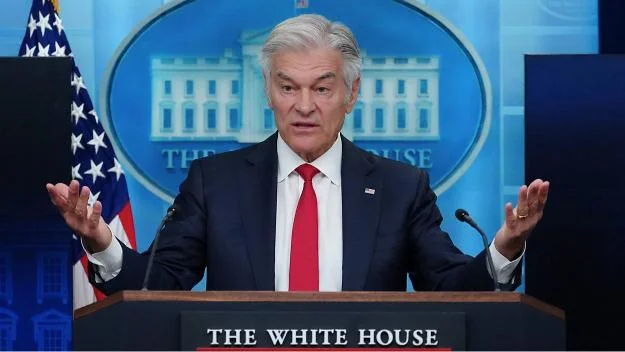
On Tuesday, Centers for Medicare and Medicaid Services Administrator Dr. Mehmet Oz backed the US position, arguing that treating exposed individuals closer to outbreak zones reduces risks linked to long-distance evacuation.
“There’s many places we can send folks, but sending them across the world, especially when we’re not sure what’s going on with them, is probably not the wisest move,” Oz said.
He said coordination efforts are ongoing with partners. “I trust the State Department and Secretary of State Marco Rubio “to work out something with Kenya,” adding that the U.S. also has bases in the United Kingdom and Germany that "might be willing to welcome us.””
Oz also emphasized the urgency of treatment decisions, stating, “You have a golden hour of many of these instances around trauma, but for illnesses it’s also relatively short, so we are confident, and the State Department’s working on this diligently, that they are going to be able to work out something with Kenya. There has already been a fair amount of communication around this issue,” Oz said.
He further added, “We have the — and that’s — there’s a U.K. base there, we have other people who might be willing to welcome us, and we have our German colleagues as well. So, there’s many places we can send folks, but sending them across the world, especially when we’re not sure what’s going on with them, is probably not the wisest move.”
The United States government has maintained that no exposed citizens will be returned home for treatment. Secretary of State Marco Rubio said the country “cannot and will not allow any cases of Ebola” to enter the US.
He also confirmed a Sh13.5 million support package for Kenya’s Ebola preparedness efforts as part of ongoing cooperation.
The planned facility, which would be staffed by the US Public Health Service, has faced strong opposition from legal and civil groups, including the Law Society of Kenya and a constitutional watchdog, who argue it could expose the country to unnecessary risk.
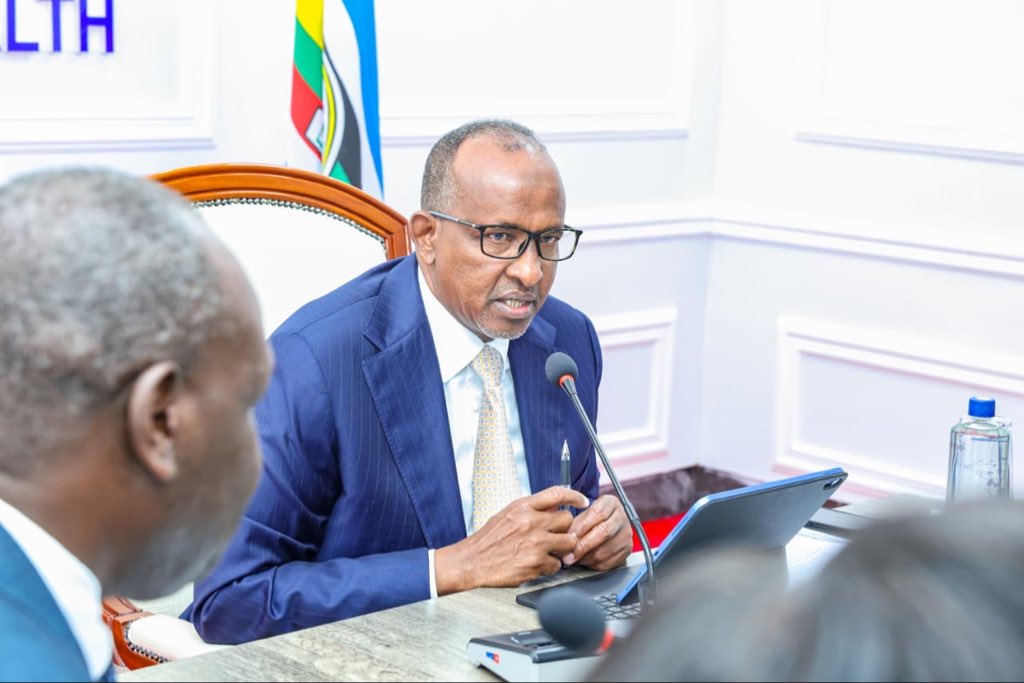
Kenya’s Health Cabinet Secretary Aden Duale has previously said the centre would serve broader needs, stating it is for “everyone — not only Americans.”
However, the High Court has maintained a freeze on the project. On Tuesday, it extended orders stopping the facility for seven days and directed the government to disclose full details of the agreement.
The court also ordered Health Cabinet Secretary Aden Duale to publish the full terms of the deal with the United States, including all memoranda, negotiations, and related documents, after the State failed to respond in court.
It further directed that the Ministry of Health must confirm whether all required approvals from Parliament, regulators, and county authorities were obtained.
“The project, which involves the establishment of a 50-bed quarantine and treatment facility at an air force base in Nanyuki, has sparked concern among Kenyans who question the country's preparedness to manage a possible Ebola outbreak and safeguard public health.”
The disclosure, the court said, must be made publicly and shared with Katiba Institute, which filed the case.
International concern has also surfaced, with US health experts and former officials warning in an open letter to Congress that the plan raises “profound clinical, ethical, operational, and legal concerns.”
President William Ruto has defended the arrangement, saying it is part of a wider preparedness framework and long-standing cooperation with Washington.
“The quarantine facility being established at Laikipia Air Base with the support of the United States is neither unique nor exceptional, but part of a broader national preparedness system,” he said in a post on X.
“We are a responsible government. We know what we are doing,” he told reporters earlier, adding that the project stems from a long-standing partnership with the US.
“When President Trump asked the government of Kenya to support them,” Ruto said, “I gave the OK because it was an agreement and a partnership with friends who have worked with Kenya for 30-40 years.”
The court has maintained its suspension as hearings continue, leaving the future of the project uncertain amid rising scrutiny.


Comments
Sign in with Google to comment, reply, and like comments.
Continue with Google