MPs pass new law to tighten control and safety standards in Kenya’s health sector
The law introduces clear protections for patients, spelling out their rights to safe and quality care, treatment from qualified professionals, informed consent, access to medical information, dignity, fairness, and involvement in treatment decisions.
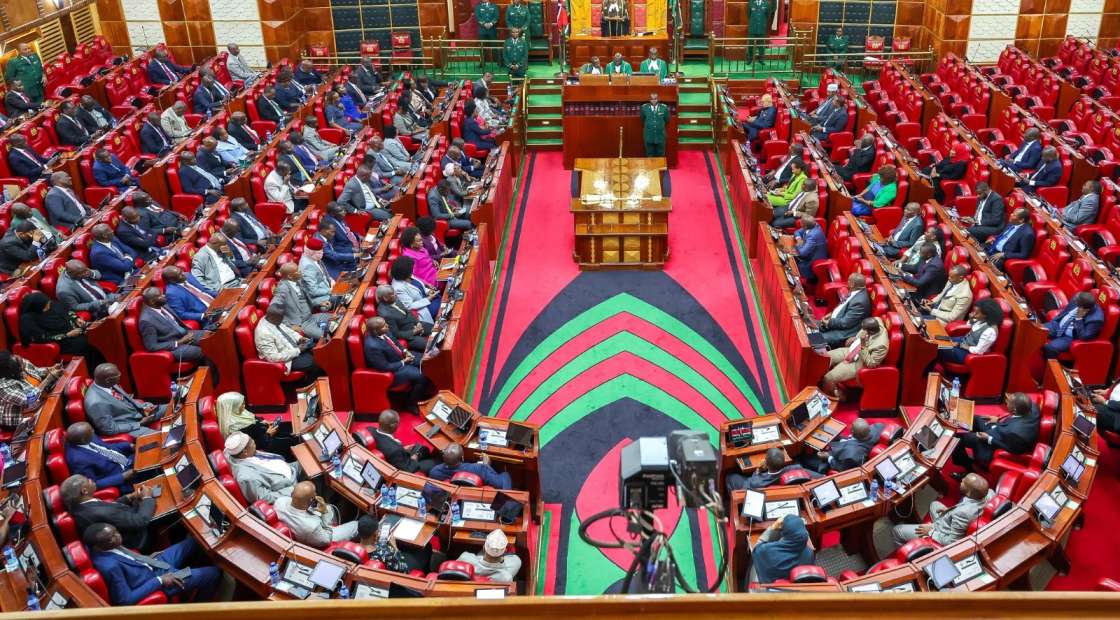
The National Assembly has backed a new health law that will change how hospitals, clinics, and other medical facilities are run, with stricter rules on safety, patient care, and accountability across the country.
On Tuesday, June 2, 2026, the National Assembly passed the Quality Healthcare and Patient Safety Bill, 2025, with amendments, setting the stage for a wide overhaul of how health services are regulated and monitored in Kenya.
Lawmakers said the Bill responds to long-standing concerns in the health sector, including medical negligence cases, uneven service standards, weak oversight systems, and gaps in protecting patients’ rights. It also seeks to bring the country’s health system in line with global safety and quality practices while implementing Article 43(1)(a) of the Constitution, which guarantees the right to the highest attainable standard of health.
“The National Assembly has passed the Quality Healthcare and Patient Safety Bill, 2025, with amendments paving the way for a comprehensive overhaul of standards, regulation and accountability within Kenya’s health sector, the post read in part.”
Patient protection
The law introduces clear protections for patients, spelling out their rights to safe and quality care, treatment from qualified professionals, informed consent, access to medical information, dignity, fairness, and involvement in treatment decisions.
Health facilities will be required to display a Patient Rights Charter and set up systems that promote safer care, including risk monitoring, continuous improvement programs, and adherence to approved medical guidelines.
Hospitals will also have to ensure that medicines, equipment, and other medical products meet approved safety and quality standards.
Patients, on the other hand, will be expected to cooperate with health workers and give accurate information needed for proper diagnosis and treatment.
New regulatory structure
A new body, the Quality Healthcare and Patient Safety Authority, will be created to oversee standards in all health facilities.
It will be managed by a board drawn from the national government, county governments, health providers, and patient groups. Its work will include licensing, registration, accreditation, inspections, and enforcement of health standards.
The authority will also keep a public register of health facilities and publish quality ratings to improve transparency.
All facilities, including ambulances and medical camps, will have to register, renew licences yearly, and meet accreditation requirements based on staffing, infrastructure, clinical practice, and patient outcomes.
Facilities that fail to comply risk fines, suspension, closure, or loss of licences.
Inspectors will be appointed to carry out both scheduled and surprise visits to ensure compliance with the law.
A Health Care Tribunal will also be formed to handle disputes involving regulatory decisions and complaints about health services.
The Cabinet Secretary in charge of health will set national standards, while county governments will handle implementation and reporting through digital systems.
Existing facilities will be given six months to meet the new requirements once the law takes effect.
The Bill also amends the Health Act and the Social Health Insurance Act to align the legal framework.
It now moves to the Senate for consideration before being forwarded to the President for assent.




Comments
Sign in with Google to comment, reply, and like comments.
Continue with Google