MPs question boarding school model after deaths of 16 learners
Not all lawmakers agreed that boarding schools were solely to blame. Suba North MP Millie Odhiambo said the tragedies reflected wider problems in society and should not be viewed only through the lens of school management.
The deadly fire at Utumishi Girls Academy has sparked fresh calls for changes in Kenya’s education system, with Members of Parliament questioning whether boarding schools and the government’s 100 per cent transition policy are placing learners at greater risk.
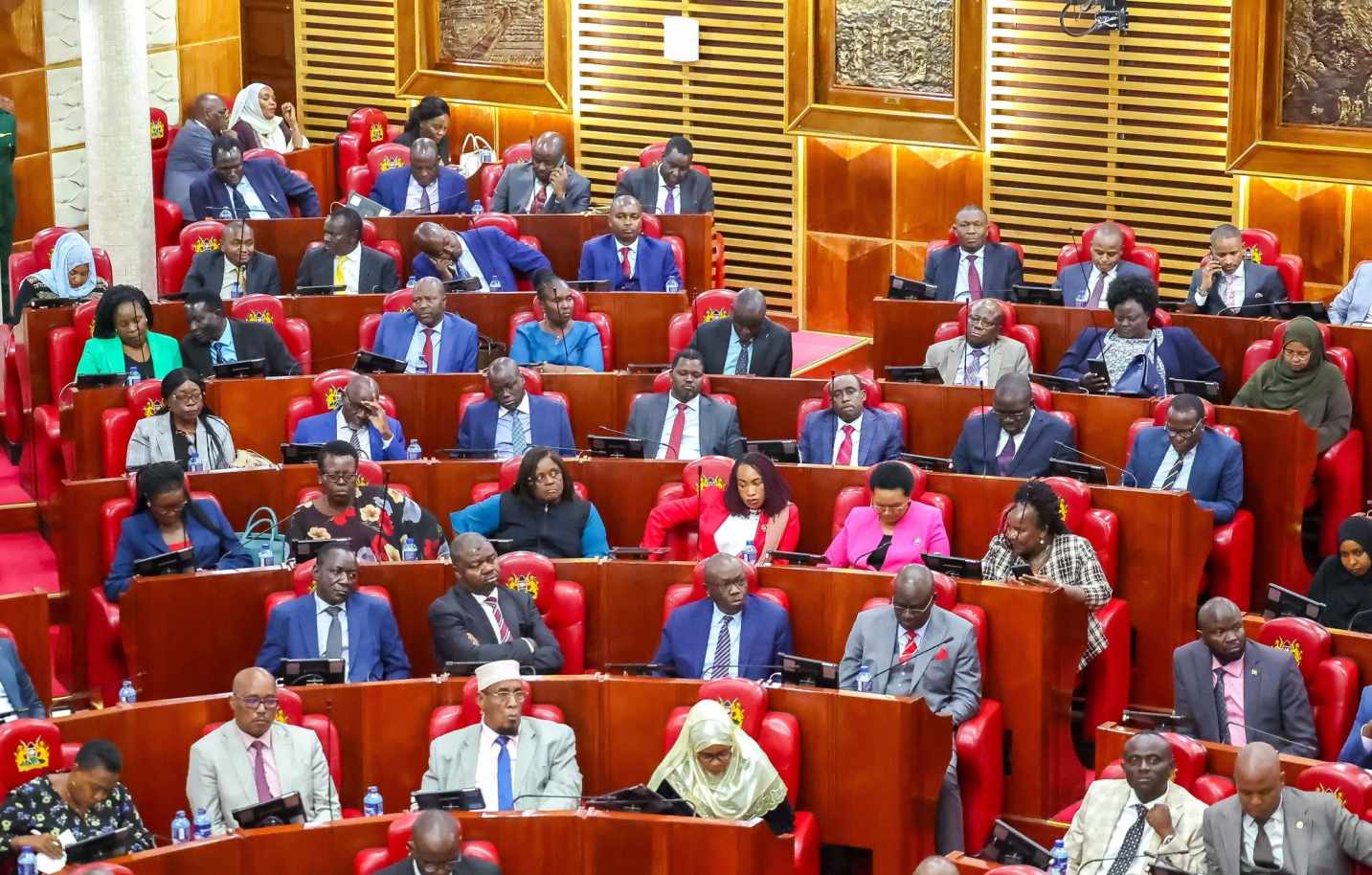
As the National Assembly debated the tragedy that claimed the lives of 16 students in Gilgil, legislators raised concerns about congestion in schools, strained facilities and the recurring disasters that continue to affect learners across the country.
Several lawmakers argued that the growing number of students in secondary schools has outpaced the expansion of infrastructure, creating conditions that compromise safety and student welfare.
Kisii Woman Representative Dorice Donya said the country should revisit the place of boarding schools in the education sector, noting that many of the incidents involving learners are reported in such institutions.
Emuhaya MP Omboko Milemba echoed the concerns, saying there was “something fundamentally wrong” with the structure and management of boarding schools. He argued that the push to ensure every learner joins secondary school has left many institutions struggling with increased enrolment and limited capacity.
Rarieda MP Otiende Amollo also pointed to overcrowding as a major challenge, saying schools have admitted more students without a matching expansion of facilities.
He said responsibility for the deaths should be shared by all stakeholders, including Parliament and the government, because they had collectively failed the learners who lost their lives.
Marakwet East MP Kangogo Bowen called for a broader review of boarding schools, observing that many developed countries have few such institutions. He said Kenya should examine whether the model remains suitable in its current form.
Marsabit Woman Representative Naomi Waqo said repeated fire incidents in schools should push the country to develop stronger measures to safeguard learners, including reviewing boarding arrangements.
Not all lawmakers agreed that boarding schools were solely to blame. Suba North MP Millie Odhiambo said the tragedies reflected wider problems in society and should not be viewed only through the lens of school management.
Igembe North MP Julius Taitumu attributed the incidents to what he described as a decline in moral values, saying the tragedy exposed deeper weaknesses within society.
National Assembly Speaker Moses Wetang’ula also weighed in on the debate, saying parents had increasingly shifted the responsibility of discipline and guidance to schools and digital platforms instead of playing a more active role in the upbringing of their children.
Suba South MP Caroli Omondi said the incidents pointed to a growing moral challenge in the country and proposed the introduction of nationhood science as a subject in schools to help address the problem.
The debate has once again brought attention to the future of boarding schools in Kenya. In 2022, then Basic Education Principal Secretary Belio Kipsang announced plans to phase out boarding schools from Grade One to Grade Nine.
Even as lawmakers push for reforms, supporters of boarding schools maintain that they continue to serve an important role by providing stable learning environments for vulnerable children, including orphans and those rescued from abusive homes, domestic violence and early marriages.



Comments
Sign in with Google to comment, reply, and like comments.
Continue with Google