Nurses union raises alarm over plans to host Ebola-exposed foreigners in Kenya
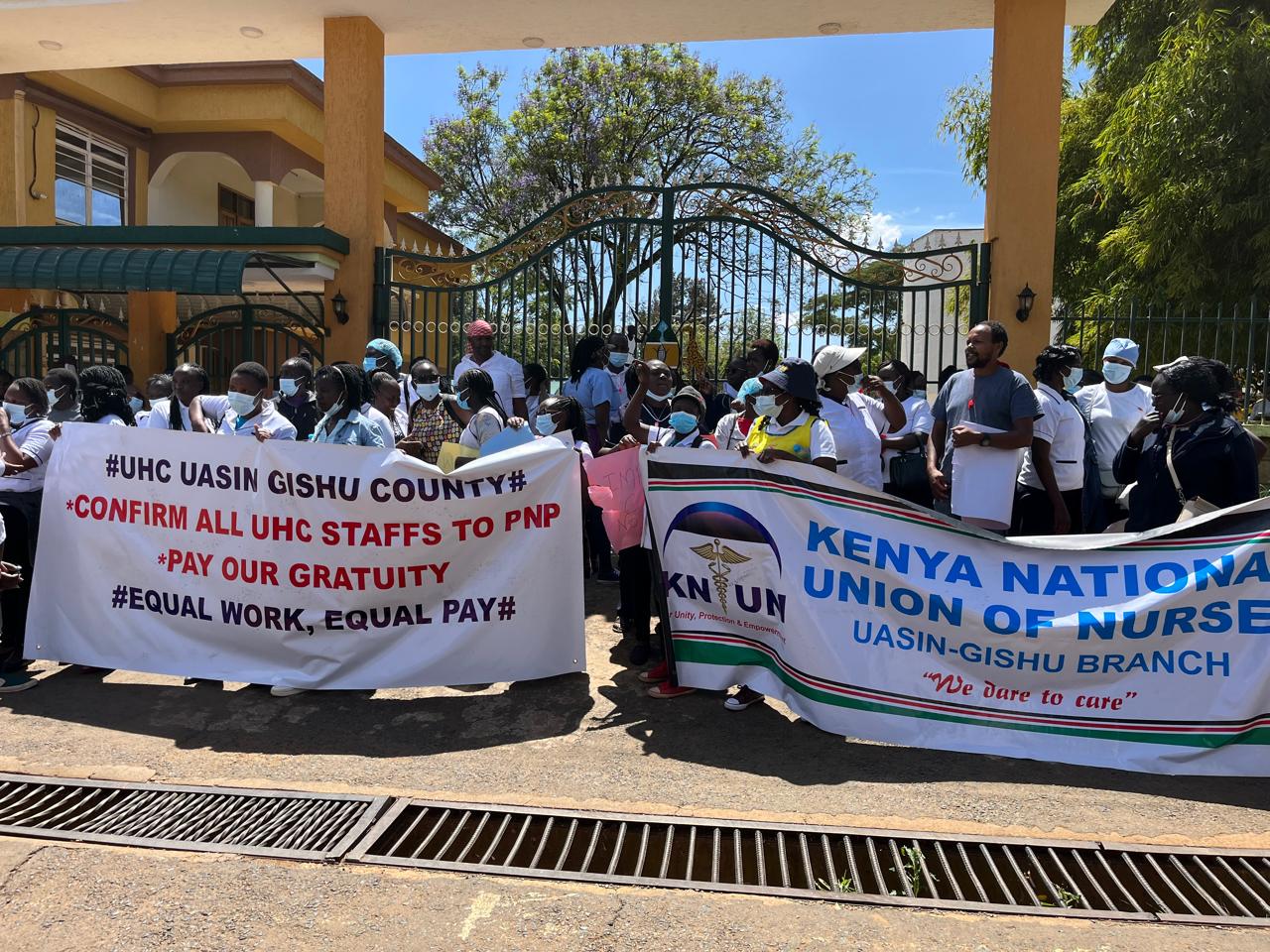
In a letter addressed to Health Cabinet Secretary Aden Duale on Wednesday, the union said Kenya’s healthcare system is not adequately equipped to safely manage such high-risk cases and urged the government to prioritize the welfare of healthcare workers and the public before entering into any related international arrangements.
Concerns have intensified over Kenya’s readiness to manage highly infectious diseases after the Kenya National Union of Nurses and Midwives raised alarm over proposed plans to host Ebola-exposed foreign nationals in the country, warning that existing gaps in health infrastructure, staffing levels, and worker protection could expose both patients and frontline staff to serious risk.
In a letter dated Wednesday and addressed to Health Cabinet Secretary Aden Duale, the union cautioned that the current state of the health system is not sufficiently prepared to safely handle such high-risk cases, urging the government to first strengthen internal capacity and safeguard health workers before committing to international arrangements of this nature.
“The Kenya National Union of Nurses and Midwives recognizes and appreciates the importance of international partnerships and global collaboration in strengthening healthcare systems,” the union said.
However, it added that it “strongly expresses concern over any plans to establish facilities for handling or accommodating Ebola-exposed foreign nationals in Kenya under the current state of our healthcare system.”
The union cited persistent weaknesses in the health sector, including limited isolation units, shortages in intensive care services, inadequate medical equipment, and overall infrastructure constraints that it said make the handling of highly infectious diseases difficult and risky.
It also raised concern over pressure on health workers, noting that nurses and other frontline staff are already overstretched, while current health risk allowances, occupational safety measures, and insurance cover do not match the dangers linked to diseases such as Ebola.
“Before Kenya can undertake responsibilities involving the management of high-risk international infectious exposures, there must be substantial investment in healthcare infrastructure, staff training, emergency preparedness systems, insurance coverage, protective equipment, and improved welfare for frontline healthcare workers,” the union said.
The union further pushed for broad consultations with stakeholders and full disclosure on any agreements tied to the proposed arrangements, stressing that transparency must guide all decisions involving public health risks.
Among its key demands are stronger isolation and treatment facilities, improved emergency response systems, expanded laboratory capacity, better insurance protection for healthcare workers, and assurances that any international cooperation should build long-term capacity rather than increase system strain.
“The safety and welfare of Kenyan healthcare workers and the public must remain the highest priority in all international health arrangements and collaborations,” the union stated.
The concerns come at a time when a proposed United States-linked Ebola quarantine facility in Laikipia County has triggered public debate, with reports indicating it would host American citizens exposed to the virus.
The proposal has already sparked protests in Nanyuki and drawn criticism from political leaders, civil society organisations, and medical professionals who argue that the country was not adequately consulted and lacks sufficient safeguards to handle such a facility.
The matter has also reached the courts. The High Court recently extended orders stopping the establishment and operation of the proposed facility and directed the government to release all documents linked to the arrangement, including agreements, negotiations, approvals, risk assessments, and operational protocols within seven days.
The court also barred the admission of Ebola-exposed individuals under the proposed programme until the case is fully heard and determined.
The legal challenge, filed by civil society groups including the Katiba Institute and supported by the Law Society of Kenya, argues that the arrangement raises major concerns over public health safety, constitutional governance, transparency, and national sovereignty.




Comments
Sign in with Google to comment, reply, and like comments.
Continue with Google