Architects push for tougher dorm safety rules after deadly Utumishi fire
According to the proposals, no boarding facility should be approved unless it meets strict safety and evacuation standards set by relevant authorities.
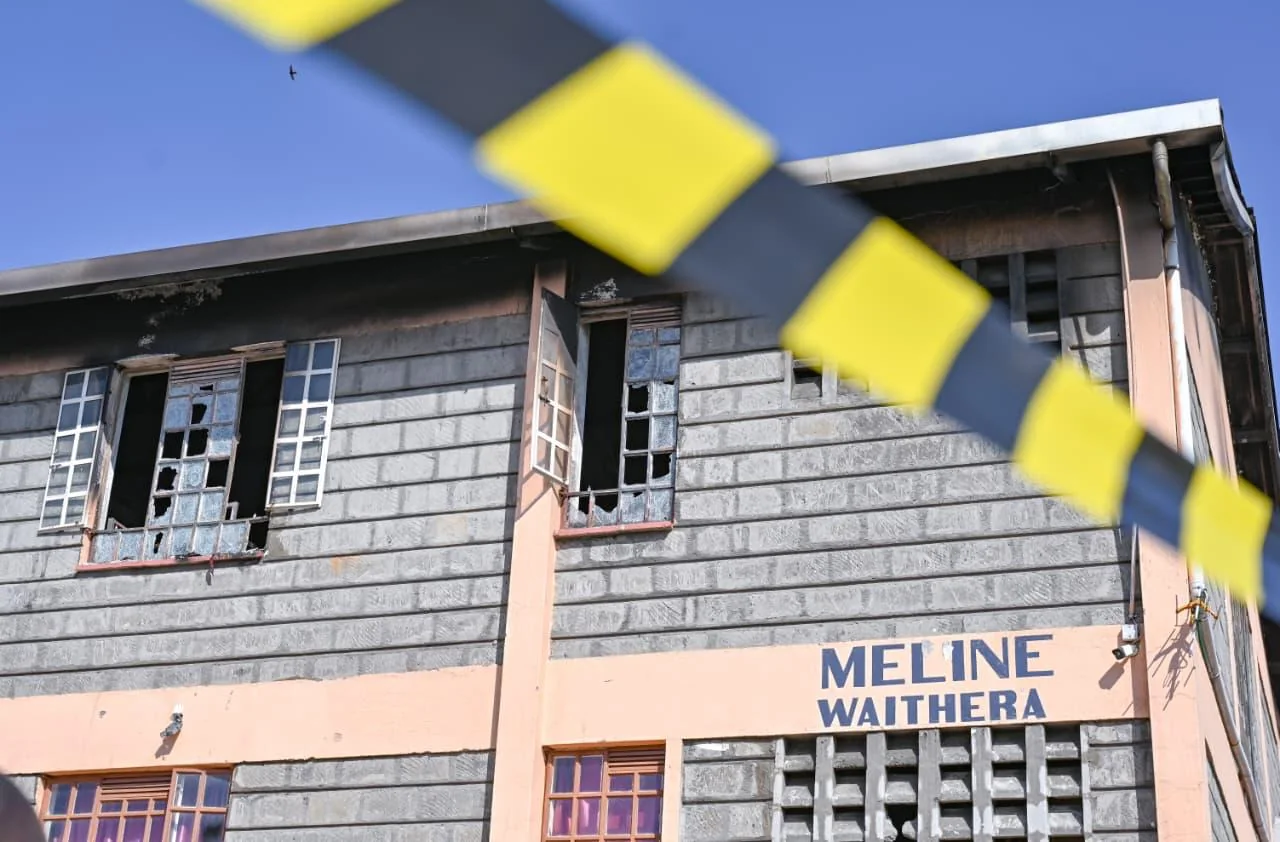
Calls for stricter safety measures in boarding schools have intensified following the fatal fire at Utumishi Girls Academy in Gilgil that killed 16 students, with experts warning that many dormitories are still not designed to support safe evacuation during emergencies.
The Architectural Association of Kenya has now released a set of proposals aimed at changing how school dormitories are built, approved and managed as fire outbreaks continue to be reported across the country.
The government has meanwhile ordered a nationwide audit of all boarding schools.
The Architectural Association of Kenya (AAK) says evacuation in dormitories must never depend on locked exits or delayed access, insisting that students should be able to leave instantly in case of fire.
“No dormitory should be occupied unless every child can escape quickly, safely, and without needing a key during an emergency. The guiding test should be: If a fire broke out at midnight, could all learners leave the dormitory within minutes through clear, unlocked, outward-opening exits?”
According to the proposals, no boarding facility should be approved unless it meets strict safety and evacuation standards set by relevant authorities.
AAK states that dormitories must only be designed by qualified professionals and approved by education, fire safety, public health and planning authorities before being used by learners.
It also discourages the use of converted buildings as dormitories unless they have been formally inspected and certified suitable for boarding.
The association emphasizes that evacuation must not depend on keys. “Keys should never be the primary emergency exit system. A fire, smoke, panic, darkness and confusion make key-based evacuation unsafe,” the proposal notes.
Every dormitory must have at least two separate exits placed far apart, fitted with outward-opening doors and panic bars for immediate evacuation.
Corridors must remain clear at all times, with strict enforcement against overcrowding and obstruction by beds, lockers or luggage.
“A safe dormitory is not one that merely shelters students. A safe dormitory allows every learner to survive the worst night of the school term. No academic result, security concern or budget excuse should override the right of a child to escape from danger,” AAK said.
The proposals further require installation of fire detection and response systems, including smoke alarms, fire extinguishers, emergency lighting and exit signage in all dormitory blocks.
Schools must also carry out fire drills every term, including night-time simulations to ensure readiness under real-life conditions.
On electrical safety, the guidelines prohibit unsafe wiring, overloaded sockets, illegal extensions, candles, kerosene lamps and student cooking appliances inside dormitories, requiring all installations to be done by certified technicians.
AAK also recommends trained night supervisors, structured emergency response plans and special evacuation arrangements for younger learners and students with disabilities.
The proposals further call for annual inspections and certification before dormitories are used, with immediate closure of unsafe facilities until compliance is achieved. School leadership is expected to maintain continuous safety oversight.
The association says the recommendations are based on recurring school fire incidents that continue to expose gaps in enforcement and emergency preparedness.




Comments
Sign in with Google to comment, reply, and like comments.
Continue with Google