Kenya confirms all 25 suspected Ebola cases test negative amid regional outbreak
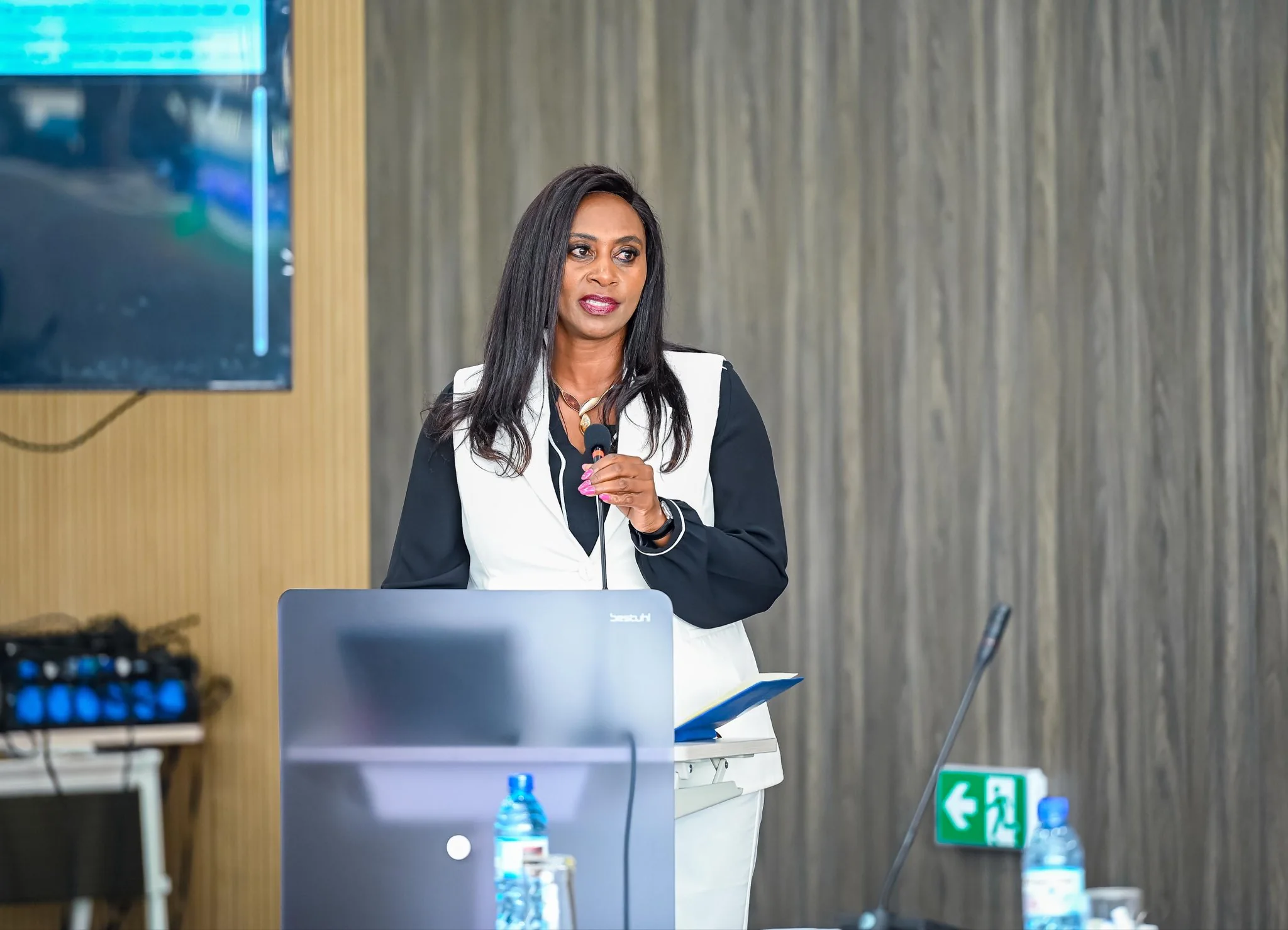
Muthoni highlighted community health systems as a critical line of defence against disease outbreaks, arguing that effective surveillance begins at the grassroots level rather than in laboratories
Kenya’s health authorities have reported that none of the 25 suspected Ebola samples tested in the country have been positive, even as monitoring efforts remain active due to continuing outbreaks in parts of East and Central Africa.
Officials say the country has widened screening at all major entry points and strengthened response systems in an effort to detect any possible importation of the virus early and prevent local transmission.
Public Health Principal Secretary Mary Muthoni said over 74,000 travellers have already undergone health screening at borders, with surveillance teams, laboratory units, and rapid response structures kept on alert across the country.
She noted that Kenya is closely tracking developments in Uganda and the Democratic Republic of Congo, where Ebola outbreaks have triggered regional concern and increased coordination among health authorities.
“The PS highlighted that Kenya was maintaining a high level of vigilance as health authorities monitored outbreaks in Uganda and the Democratic Republic of Congo.”
Muthoni made the remarks during a meeting of African health leaders held on Wednesday, where she led discussions as chair of the African Permanent and Principal Secretaries for Health Caucus.
She said African countries must work together more closely since infectious diseases can move quickly across borders if not contained in time.
“Pathogens do not recognise borders. As African countries, we must continue sharing our experiences, coordinating our efforts, and developing a unified strategy to effectively combat the Ebola Virus Disease outbreaks affecting our counterparts in the Democratic Republic of the Congo and Uganda,” she stressed.
The meeting brought together health officials, regional institutions, and development partners to review the current situation and agree on stronger preparedness measures across the continent.
Muthoni said the situation in the region reinforces the need for constant readiness, pointing out that past outbreaks have shown how quickly health emergencies can escalate without coordinated action.
Her update comes after Medical Services Principal Secretary Ouma Oluga confirmed that 37 Kenyan nationals returning from the Democratic Republic of Congo were placed under precautionary quarantine after possible exposure risks linked to the ongoing outbreak.
He said those under observation include traders and investors who are being monitored under established national health protocols.
He further clarified that the quarantined group is separate from the 25 suspected Ebola samples tested in Kenya, which all returned negative results after laboratory analysis.
The government has explained that the rising number of suspected cases tested—initially lower before increasing to 25—reflects expanded surveillance activities across the country rather than new infections.
Authorities have maintained that Kenya has not detected any confirmed Ebola case, even as screening continues at airports, border posts, and health facilities nationwide.
Muthoni said lessons from previous outbreaks, including Ebola, COVID-19, cholera, and Mpox, continue to shape Kenya’s preparedness strategies and regional cooperation efforts.
“No nation can build a fortress of health security alone. To truly protect our people, we must anchor our response in clear, actionable realities,” she stated.
She added that early detection systems must begin at community level, stressing that grassroots reporting plays a major role in identifying potential health threats before they spread.
“We know that true surveillance does not begin in the laboratories; it begins in our villages. Actively empowering community health promoters must remain the cornerstone of our national health systems,” she outlined.
Muthoni also pushed for stronger use of the One Health model, arguing that Ebola control requires coordination between human health, animal health, and environmental sectors due to its zoonotic nature.
She urged governments across Africa to remove delays in decision-making structures that could slow emergency response during outbreaks.
“As permanent secretaries and principal secretaries, we occupy a sacred space. We are the vital bridge between political will and life-saving implementation. While our clinicians and epidemiologists fight the biological battle, it is our duty to fight the systematic ones,” she said.
“We must tear down administrative, financial, and operational bottlenecks that cost us time, because in an Ebola outbreak, time is measured in human lives.”
She further said participating countries had agreed on priority actions including stronger surveillance, improved laboratory capacity, and faster cross-border information sharing.
Muthoni emphasized that the resolutions must be acted on immediately to avoid gaps that could weaken preparedness systems.
Kenya, she said, will continue working with regional partners as Uganda and the Democratic Republic of Congo manage ongoing outbreaks, while maintaining strict vigilance at home.
“Let us move forward with urgency, connected leadership, and a shared resolve to protect our population,” she stressed.




Comments
Sign in with Google to comment, reply, and like comments.
Continue with Google