Tinubu tells armed groups to surrender or face full state force amid rising insecurity
Nigeria continues to struggle with widespread insecurity, with attacks on rural communities and school abductions becoming more frequent in the north and central regions. Security experts warn that the violence is not contained and is gradually spreading into other parts of the country.
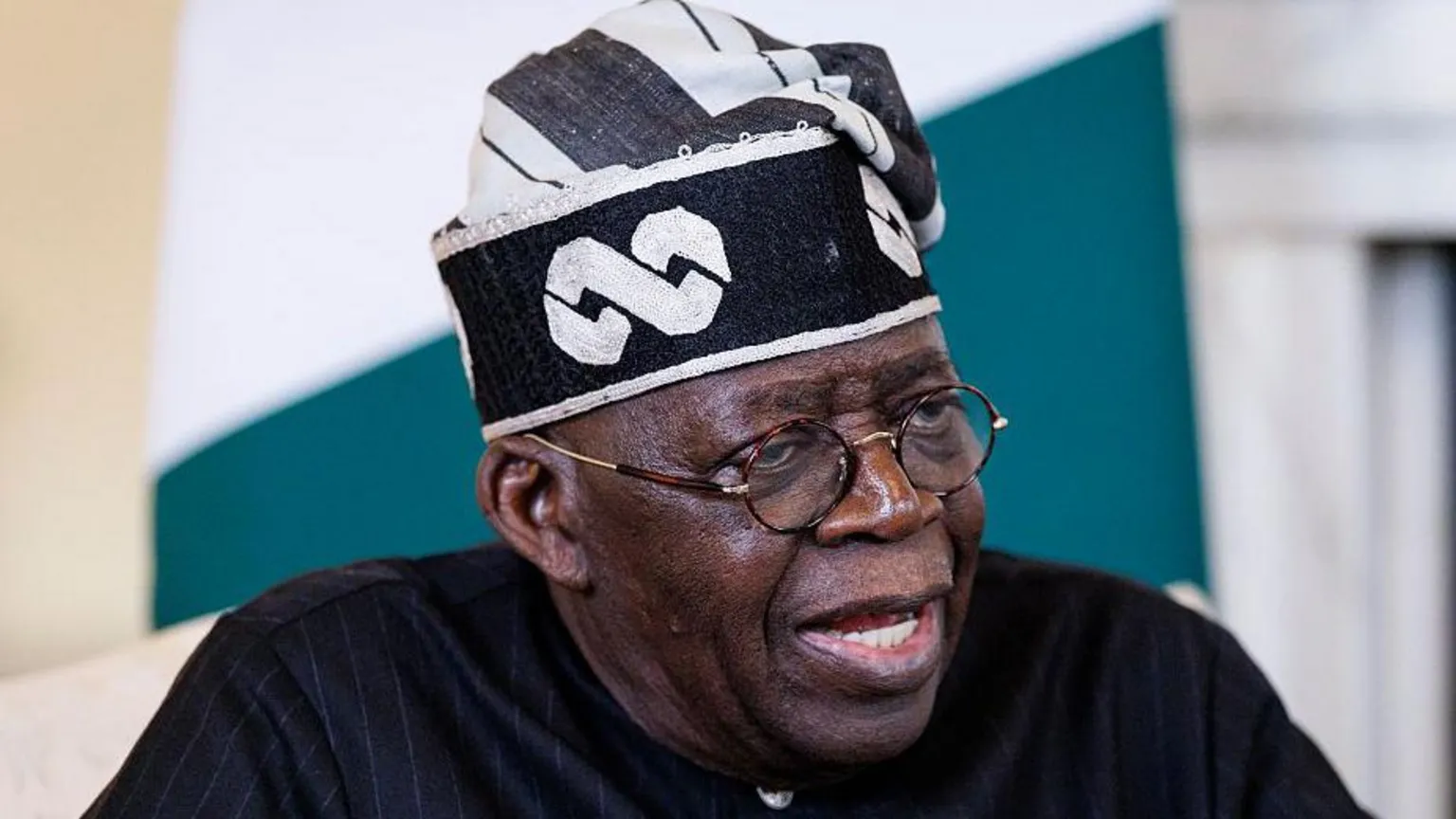
President Bola Ahmed Tinubu has issued a blunt warning to armed groups across Nigeria, saying they must lay down their weapons or face a decisive military response, as the country marked Democracy Day while grappling with worsening insecurity and renewed school kidnappings.
Bola Ahmed Tinubu used his national address to acknowledge that the celebrations had been overshadowed by recent abductions of school children, describing the incidents as a painful reminder of the security challenges facing the country.
He said authorities remain focused on efforts to secure the release of children taken in Oyo and Borno states, adding that officials are still hopeful they will be found alive.
He stated that "remain hopeful for their safe return".
Tinubu stressed that security is the foundation of any democratic system, saying "Democracy without security is not solid enough", while outlining new measures aimed at strengthening the country’s response to violence.
These include the recruitment of 50,000 additional police officers and a security allocation of 5.41tn naira, which he described as the largest in recent budgets. He also confirmed approval for thousands of new military personnel.
Defending his administration’s approach since assuming office in May 2023, Tinubu said the armed forces had eliminated 13,000 “terrorists” over the past year. He also claimed that deaths linked to insurgent activity among civilians had dropped by 81% compared to 2015 figures.
He further stated that more than 124,000 fighters and their families had surrendered through a rehabilitation initiative known as Operation Safe Corridor.
Nigeria continues to struggle with widespread insecurity, with attacks on rural communities and school abductions becoming more frequent in the north and central regions. Security experts warn that the violence is not contained and is gradually spreading into other parts of the country.
Public anger has also grown, with civil society groups organising demonstrations in several cities to demand stronger government action on insecurity and economic hardship. Many citizens continue to feel the pressure of rising prices for food and transport, adding to frustration over the state of the economy.
Labour organisations and rights groups have raised concerns about inflation and the cost of living, arguing that economic hardship is deepening for ordinary households.
Tinubu defended key reforms introduced by his administration, including the removal of fuel subsidies and the decision to allow the currency to float freely, saying both moves were necessary to stabilise public finances and rebuild investor confidence.
During the 27th year of civilian rule, he also honoured key figures in the country’s pro-democracy struggle, including those connected to the annulled 1993 election, among them MKO Abiola.



Comments
Sign in with Google to comment, reply, and like comments.
Continue with Google