KHRC legal officer questions compensation plan for protest victims, calls for accountability first
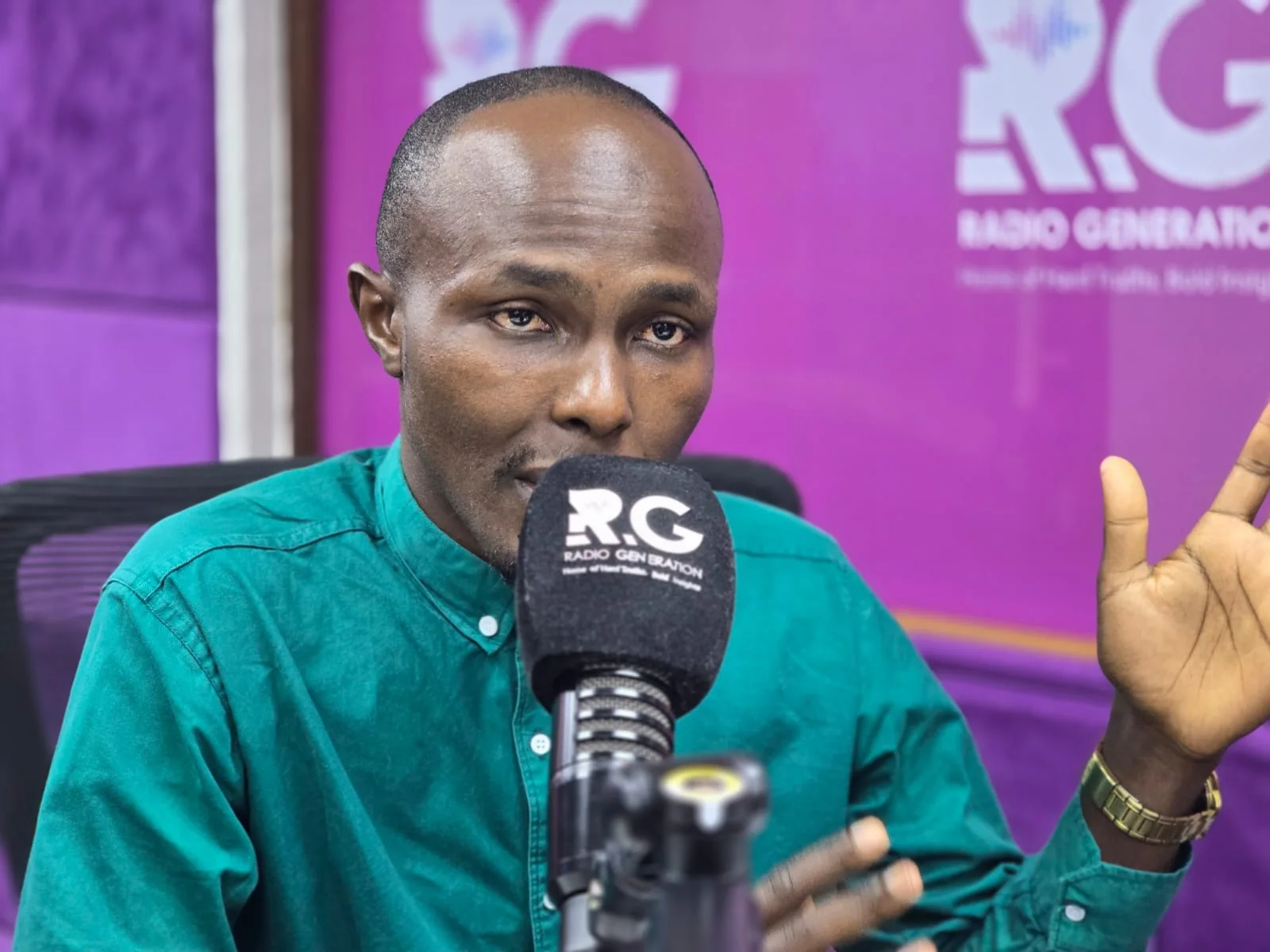
KHRC senior legal officer John Mundia Mundia acknowledged that compensation could provide some relief to affected families but argued that the larger issues of accountability and institutional reform risk being overlooked
Kenya Human Rights Commission senior legal officer John Mundia has raised concern over the government’s planned compensation programme for victims of human rights violations, saying it should not focus only on payouts while ignoring accountability, justice, and institutional reform.
Mundia said he supports efforts to compensate victims but questioned the criteria used, the accountability framework, and whether lasting reforms are part of the process meant to address long-standing grievances linked to protest-related violence.
Speaking during a Radio Generation interview on Wednesday, he noted that Kenya has repeatedly attempted reparations in the past without fully implementing key recommendations from earlier inquiries.
“This conversation is a bit complicated. There is no yes or no answer because even from where we are coming from, we have had a lot of historical injustices and a lot of human rights violations. Even in the past, there have been attempts to make reparations, there have been attempts to make payments and compensate victims. A lot of it has not seen the light of day. We have had reports such as the Truth, Justice and Reconciliation Report with very good recommendations, but still nothing coming out of it,” he explained.
He said compensation may offer some relief to affected families, but warned that it risks being reduced to a financial exercise if issues of responsibility are not addressed.
Mundia questioned how the compensation amounts were arrived at, especially for serious violations such as killings, torture, and sexual violence, saying the process must be transparent and fair.
His remarks come after President William Ruto on August 26, 2025 appointed an 18-member Panel of Experts on Compensation of Victims of Demonstrations, Public Protests and Riots, chaired by Senior Constitutional Affairs Advisor Prof. Makau Mutua, with Law Society of Kenya President Faith Odhiambo serving as vice chair.
The directive was issued through a Gazette Notice by Chief of Staff Felix Koskei, following presidential approval to develop a national reparations framework for victims of protests dating back to 2017.
The panel was tasked with verifying, categorizing, and recommending compensation for victims of police brutality, deaths, injuries, and property loss linked to protests and riots.
The President said the initiative is aimed at acknowledging suffering and supporting national healing, while stressing that it is not an admission of liability but recognition of harm.
Government plans include Sh2 billion set aside for compensation of verified victims covering about 1,937 claims, with 1,101 already verified by the Kenya National Commission on Human Rights.
Reports indicate that more than 1,000 people were injured and hundreds died during major protest cycles between 2024 and 2025.
The programme is intended to restore dignity, support reconciliation, and address long-standing grievances arising from violent protest episodes.
Mundia said the process appears skewed because it prioritises compensation before accountability is fully addressed.
“The whole process is skewed because it is mainly centred on compensation, but usually the proper procedure is acknowledgement, then you issue an apology. That step is the most important in my view, which is accountability. The last step is now compensation,” he stressed.
He also questioned why prosecutions have been limited despite documented cases of deaths linked to protest-related police action.
Investigations by the Independent Policing Oversight Authority and directions from the Office of the Director of Public Prosecutions have been recorded in several cases, but few have led to completed court processes.
In earlier protest cycles, human rights groups have pointed out that many cases have remained unresolved, with no convictions despite deaths and injuries linked to police operations.
However, some cases have reached court, including charges against police officers over alleged unlawful shootings during the 2024–2025 demonstrations, reflecting gradual but limited accountability steps.
Despite this, activists say impunity remains a major concern, with most victims still waiting for justice through completed trials and rulings.
Mundia maintained that compensation should go hand in hand with reforms that guarantee timely justice for victims.
He added that the existence of thousands of compensation claims points to deeper constitutional failures.
“The fact that we have people who need to be compensated is already an admission that we are not following the Constitution. People stood and swore to uphold the Constitution and respect the rule of law, but the fact that we have a list of people who need to be compensated means we have not been following the Constitution,” he concluded.


Comments
Sign in with Google to comment, reply, and like comments.
Continue with Google