WHO warns malaria progress at risk as drug resistance spreads
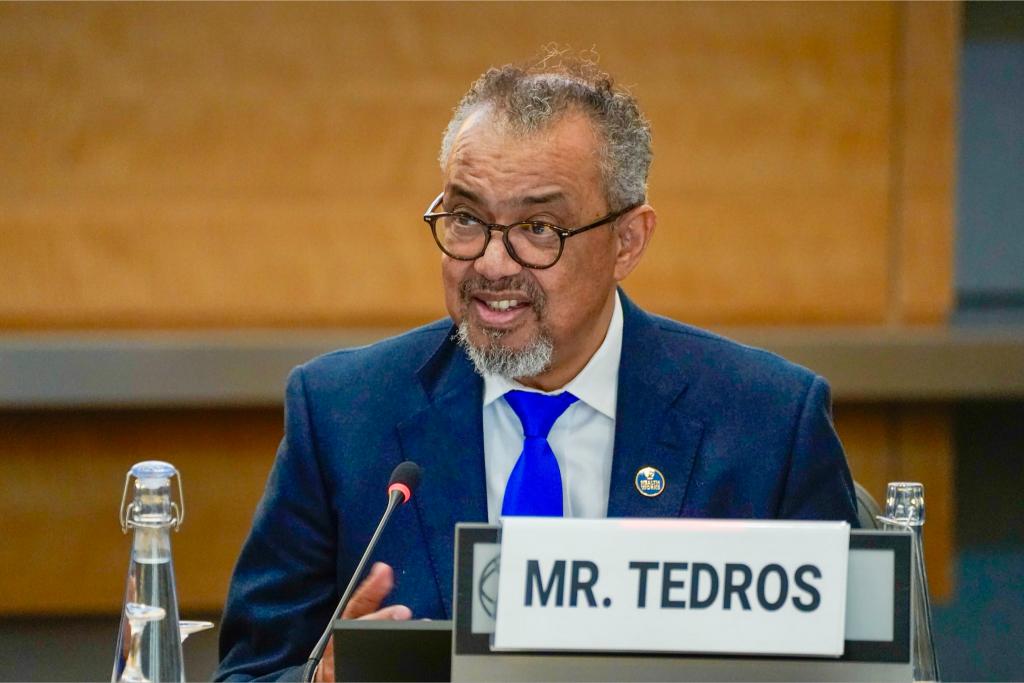
WHO’s latest World Malaria Report shows new vaccines and nets averted 170 million cases in 2024, yet 610,000 people died as drug resistance, insecticide failure and funding gaps threaten progress.
Rising antimalarial drug resistance, insecticide-resistant mosquitoes, and funding shortfalls are threatening global efforts to eliminate malaria, despite significant advances in prevention.
According to the World Health Organization’s (WHO) latest World Malaria Report, new tools such as dual-ingredient insecticide-treated nets and WHO-approved vaccines helped prevent an estimated 170 million cases and 1 million deaths in 2024.
Still, malaria claimed 610,000 lives last year, mostly among African children under five, showing that major gaps in prevention and treatment persist.
Since the WHO approved the world’s first malaria vaccines in 2021, 24 countries have introduced the vaccines into routine immunization programs.
Seasonal malaria chemoprevention has also expanded, reaching 54 million children in 2024 across 20 countries – a dramatic increase from just 0.2 million in 2012.
The report also notes progress in eliminating malaria, with 47 countries and one territory now certified malaria-free.
Cabo Verde and Egypt were recognized in 2024, followed by Georgia, Suriname, and Timor-Leste in 2025.
Despite these gains, the WHO warns that progress is fragile.
“New tools for prevention of malaria are giving us new hope, but we still face significant challenges,” said WHO Director-General Dr Tedros Adhanom Ghebreyesus.
“Increasing numbers of cases and deaths, the growing threat of drug resistance, and the impact of funding cuts all threaten to roll back the progress we have made over the past two decades. However, none of these challenges is insurmountable. With the leadership of the most-affected countries and targeted investment, the vision of a malaria-free world remains achievable.”
The report highlights growing resistance to artemisinin, the mainstay of malaria treatment, now confirmed or suspected in at least eight African countries.
In addition, mosquitoes resistant to pyrethroids are found in 48 countries, while Anopheles stephensi, resistant to many insecticides, has spread to nine African nations, complicating urban malaria control.
Other challenges include unreliable rapid diagnostic tests due to pfhrp2 gene deletions in parasites, extreme weather that alters mosquito habitats, and conflicts that disrupt health services.
Funding gaps also pose a serious risk. In 2024, $3.9 billion (Sh604.5 billion) was invested in malaria response – less than half of the $9.3 billion (Sh1.44 trillion) target set for 2025.
“The World Malaria Report is clear: drug resistance is advancing. Our response must be equally clear – new medicines with new mechanisms of action,” said Dr Martin Fitchet, CEO of Medicines for Malaria Venture, highlighting the recent development of the first non-artemisinin combination therapy, Ganaplacide–Lumefantrine.
The WHO urges countries to maintain political commitments, strengthen health systems, and coordinate under initiatives like the Big Push to ensure malaria no longer threatens lives.




Comments
Sign in with Google to comment, reply, and like comments.
Continue with Google