SHA faces scrutiny over settlement rate claims as hospitals struggle
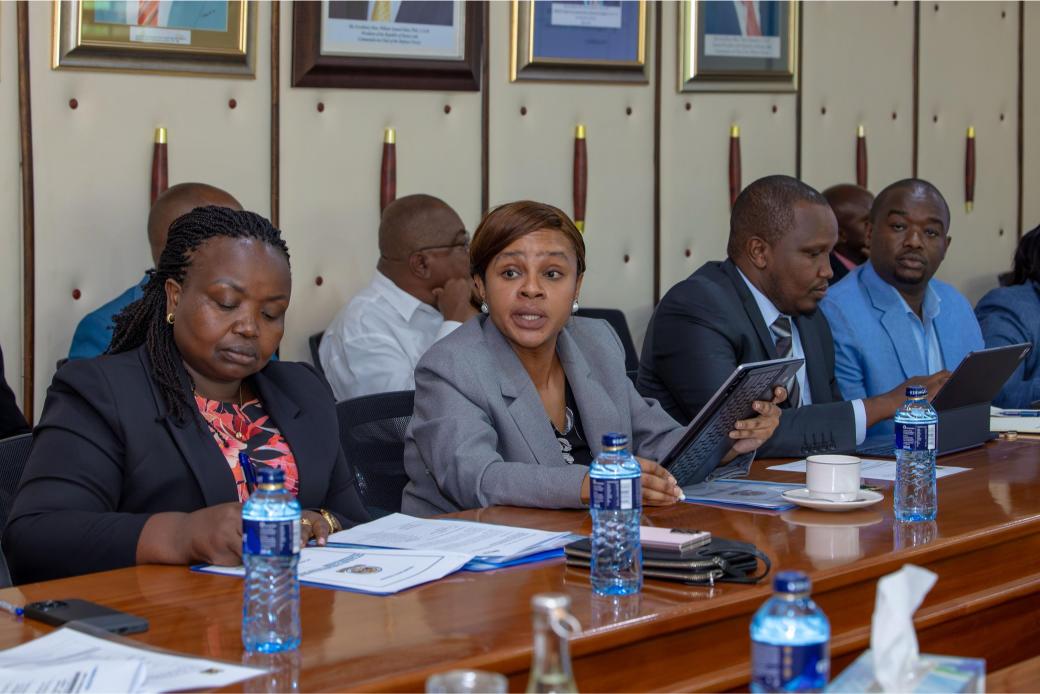
SHA chief executive Dr Mercy Mwangangi told the committee on Thursday, that the authority had achieved a national claim settlement rate of 79 per cent and had so far disbursed Sh139.5 billion under different health financing programmes.
Concerns are mounting over Kenya’s new public health cover after senators confronted health officials over reports that hospitals are still struggling with delayed payments, rejected claims and system failures that continue to strain service delivery across the country.
The Senate Health Committee questioned officials from the Social Health Authority over complaints from hospitals that say they are under financial pressure due to slow reimbursements and pending claims, despite earlier promises that the new system would fix inefficiencies experienced under the former National Health Insurance Fund.
SHA chief executive Dr Mercy Mwangangi told the committee on Thursday, that the authority had achieved a national claim settlement rate of 79 per cent and had so far disbursed Sh139.5 billion under different health financing programmes.
She said the payments include Sh110.8 billion under the Social Health Insurance Fund, Sh19.2 billion under the Primary Healthcare Fund, Sh7.26 billion under the Public Officers Medical Scheme Fund and Sh2.17 billion under the Emergency, Chronic and Critical Illness Fund.
However, senators disputed the figures, saying they do not reflect the situation in hospitals, where many facilities continue to struggle with unpaid bills and delayed reimbursements.
They warned that the delays are forcing hospitals to delay payments to suppliers, struggle to restock essential medicines and in some cases ask patients for cash payments even where services are covered under the scheme.
Documents presented to the committee show that hospitals and clinics submitted claims amounting to Sh181.9 billion as of April 30, 2026. Of these, Sh16.03 billion was rejected while Sh31 billion is still under review.
Lawmakers cautioned that the rejected and pending claims could deepen financial strain in public hospitals and disrupt healthcare delivery in counties.
A key dispute emerged over claims that had been pre-authorised but later rejected at the payment stage. Senators questioned why approval was given if reimbursement was not guaranteed.
Jackson Mandago said the situation on the ground differed sharply from official figures.
“That formula is so skewed. ou talk of a settlement rate of 79 per cent, yet when we visited counties across the country, the actual rate is closer to 20 per cent. County facilities are struggling and cannot meet their obligations,” he said.
The committee heard that hospitals are increasingly accumulating debts owed to suppliers and delaying procurement of essential medicines due to payment delays.
In response, Dr Mwangangi defended the process, saying pre-authorisation does not automatically guarantee payment.
“A pre-authorisation is not equal to an approved claim. It means proceed with the procedure and later submit supporting documentation for reimbursement,” she said.
The committee is expected to continue examining the growing backlog of claims and its impact on healthcare delivery.




Comments
Sign in with Google to comment, reply, and like comments.
Continue with Google