
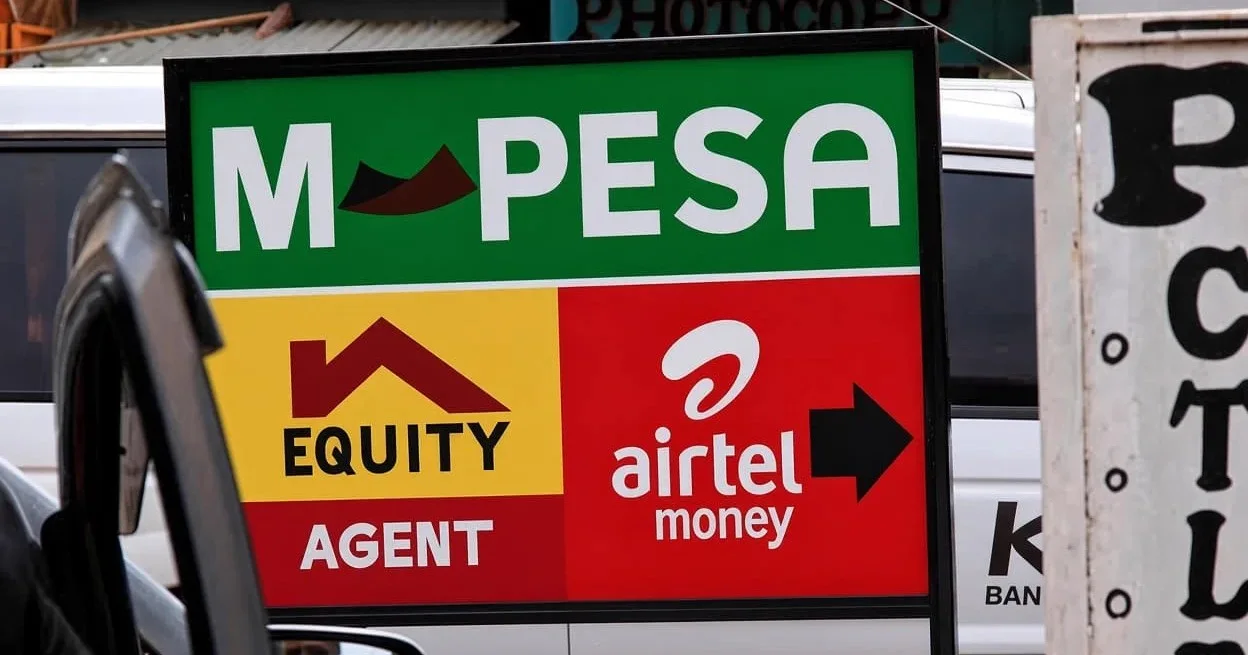
Kenya's mobile money agent network has grown by nearly 25 per cent in one year, adding more than 111,000 outlets, even as the average number and value of cash transactions handled by individual agents fell, raising concerns about growing competition and the changing nature of mobile money services.
The latest figures show that while more outlets are opening across the country, the growth in customer transactions is not keeping pace, leaving individual agents handling a smaller share of deposits and withdrawals.
Data from the Kenya National Bureau of Statistics (KNBS) September 2026 Leading Economic Indicators report shows that active mobile money agents increased to 568,518 in September, up from 456,742 recorded during the same month in 2025.
This represents an addition of 111,776 agents, translating to a 24.5 per cent annual increase in the country's mobile money distribution network.
However, the rise in the number of outlets has not been matched by a similar increase in transaction volumes.
The report indicates that mobile money transactions grew by just 2.9 per cent over the same period, rising from 210.41 million in September 2025 to 216.61 million in September 2026.
Figures calculated by the Fintech Association of Kenya (FINTAK), using Central Bank of Kenya (CBK) statistics, show that the average number of cash deposits and withdrawals processed by each agent dropped from 461 to 381 within the year.
This represents a 17.3 per cent decline, pointing to reduced cash-handling activity at individual outlets despite the rapid expansion of the network.
The same pattern is evident in the value of transactions processed by agents.
The average monthly value of cash deposits and withdrawals handled by each reported agent fell by 14 per cent to approximately Sh1.29 million in September 2026, compared with Sh1.50 million in September 2025.
The decline came despite an increase in the total value of mobile money cash transactions across the country.
According to the figures, the overall value rose by 7.1 per cent from Sh684.82 billion to Sh733.45 billion during the 12-month period.
The contrasting figures suggest that although more money is passing through the mobile money system, the growing number of outlets is spreading the available transactions across a larger pool of agents.
The September 2026 statistics also point to a slowdown in monthly activity, even as the number of agents and subscriptions continued to rise.
KNBS data shows that active mobile money agents increased from 563,605 in August to 568,518 in September.
Mobile money subscriptions, covering active, inactive and dormant accounts, also climbed from 95.31 million to 97.04 million over the same period.
However, the volume of transactions moved in the opposite direction, falling from 227.41 million in August to 216.61 million in September, representing a decline of approximately 4.7 per cent.
The total value of transactions also dropped from Sh761.13 billion to Sh733.45 billion, a decrease of about 3.6 per cent.
The statistics are contained in Table 14(d) of the KNBS report, which cites the CBK as its source and covers the total volume and value of cash deposits and withdrawals conducted through mobile money agents.
The changing figures come as Kenyans increasingly turn to digital payment options that allow them to send and receive money, pay for goods and settle bills without necessarily converting their funds into physical cash.
In its 2025 Bank Supervision Annual Report, the CBK identified changing consumer payment habits as one of the factors reducing reliance on agents for cash deposits and withdrawals.
The regulator pointed to increased merchant payments, wider use of mobile banking and the consolidation of transactions into fewer but larger payments.
Under this arrangement, customers can pay merchants directly through mobile money platforms instead of withdrawing cash from an agent before making purchases.
Money can also move between customers and businesses electronically through several transactions without requiring a physical cash withdrawal at any stage.
This has reduced the need for frequent visits to agent outlets, even as mobile money subscriptions and the number of service points continue to increase.
The trend points to a gradual shift in the mobile money industry, with digital payments taking a bigger role while traditional cash deposits and withdrawals account for a smaller share of activity at individual outlets.
The CBK has also linked the growth of mobile money agents to investments aimed at widening access to financial services, particularly in rural communities and areas that have limited access to banking facilities.
The expansion has increased the number of locations where Kenyans can access services such as cash deposits, withdrawals and other mobile money transactions.
However, the latest figures raise questions about the ability of the growing number of agents to sustain their businesses as outlets compete for a relatively slower-growing volume of cash transactions.
Agents who rely mainly on deposits and withdrawals could face increased pressure as more businesses enter the market and customers increasingly use digital payment channels.
The figures, however, do not mean that every agent is earning less, since some outlets also offer other financial services and may generate income from digital transactions beyond cash deposits and withdrawals.
Nevertheless, the widening difference between the growth in agent numbers and transaction activity highlights the changing demands within Kenya's mobile money sector.
With the network expanding faster than traditional cash services, agents may increasingly need to diversify their offerings to remain competitive as digital payments become more common in everyday business.