
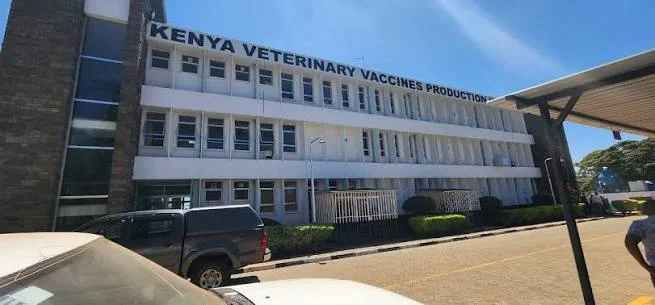
Livestock farmers could gain access to more affordable vaccines under proposed changes to the country's veterinary vaccine production system, with a new State-owned institute expected to take over from the existing manufacturer and expand supplies for disease control.
The Livestock Bill, 2026, proposes the establishment of the Kenya Veterinary Vaccines Institute (KVVI), which would replace the Kenya Veterinary Vaccines Production Institute (Kevevapi) and take on responsibility for manufacturing affordable vaccines, improving distribution and keeping emergency stocks for animal disease outbreaks.
The planned institution is expected to address production problems that have affected the existing factory, including equipment failures and shortages of raw materials, while expanding research into improved ways of producing veterinary vaccines.
Government records show that these challenges have affected Kevevapi's modernisation efforts, prompting the need for further investment and improvements in production. The proposed institute would be tasked with pursuing new research and innovations to strengthen local vaccine manufacturing.
The government has previously indicated that an additional Sh585 million is required to complete the modernisation of the existing facility. The investment is expected to increase annual production capacity from 45 million doses to 70 million.
Higher output could improve the availability of vaccines used to protect livestock against diseases that threaten animal health and farming activities. It could also help the country maintain more reliable supplies for farmers and support responses to outbreaks.
Kevevapi currently manufactures more than 14 types of veterinary vaccines. These include vaccines against foot-and-mouth disease, lumpy skin disease, contagious bovine pleuropneumonia and Rift Valley fever.
The proposed changes are intended not only to increase the number of doses produced but also to make vaccines more affordable by improving production efficiency.
Kevevapi Managing Director Alex Sabuni has previously linked the cost of vaccines to the quantity manufactured, arguing that larger production volumes could bring down the cost of individual doses.
"Vaccine production is very interesting because the less you produce, the more expensive it becomes, and now that we will be producing them in mass, the cost is likely to come down," Mr Sabuni said in a past commentary.
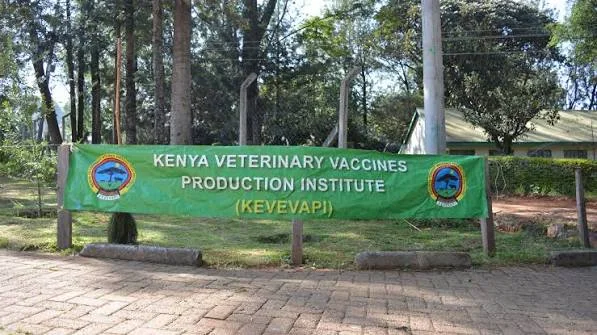
The proposed institute would also be responsible for strengthening vaccine distribution and maintaining strategic reserves to ensure supplies are available when animal diseases emerge. These responsibilities are intended to improve the country's ability to respond to outbreaks while protecting livestock.
The planned transition comes as the government seeks to address weaknesses at the current production facility, where equipment breakdowns and shortages of manufacturing materials have affected modernisation.
Completing the planned upgrades would raise annual production capacity by 25 million doses, from the current target of 45 million to 70 million. The government has identified the additional Sh585 million as necessary to finish the modernisation work.
The proposed Kenya Veterinary Vaccines Institute would take over Kevevapi's role under the new legislative framework, with a broader focus on research, manufacturing, affordable products and distribution.
If the proposals proceed, the new agency would form part of the government's efforts to improve the supply of veterinary vaccines, strengthen the management of animal diseases and reduce costs for livestock farmers.
The establishment of KVVI is provided for in the Livestock Bill, 2026, which sets out the proposed changes to the country's veterinary vaccine production system.