Mitumba traders push new import tax plan targeting simplified entry-point payment
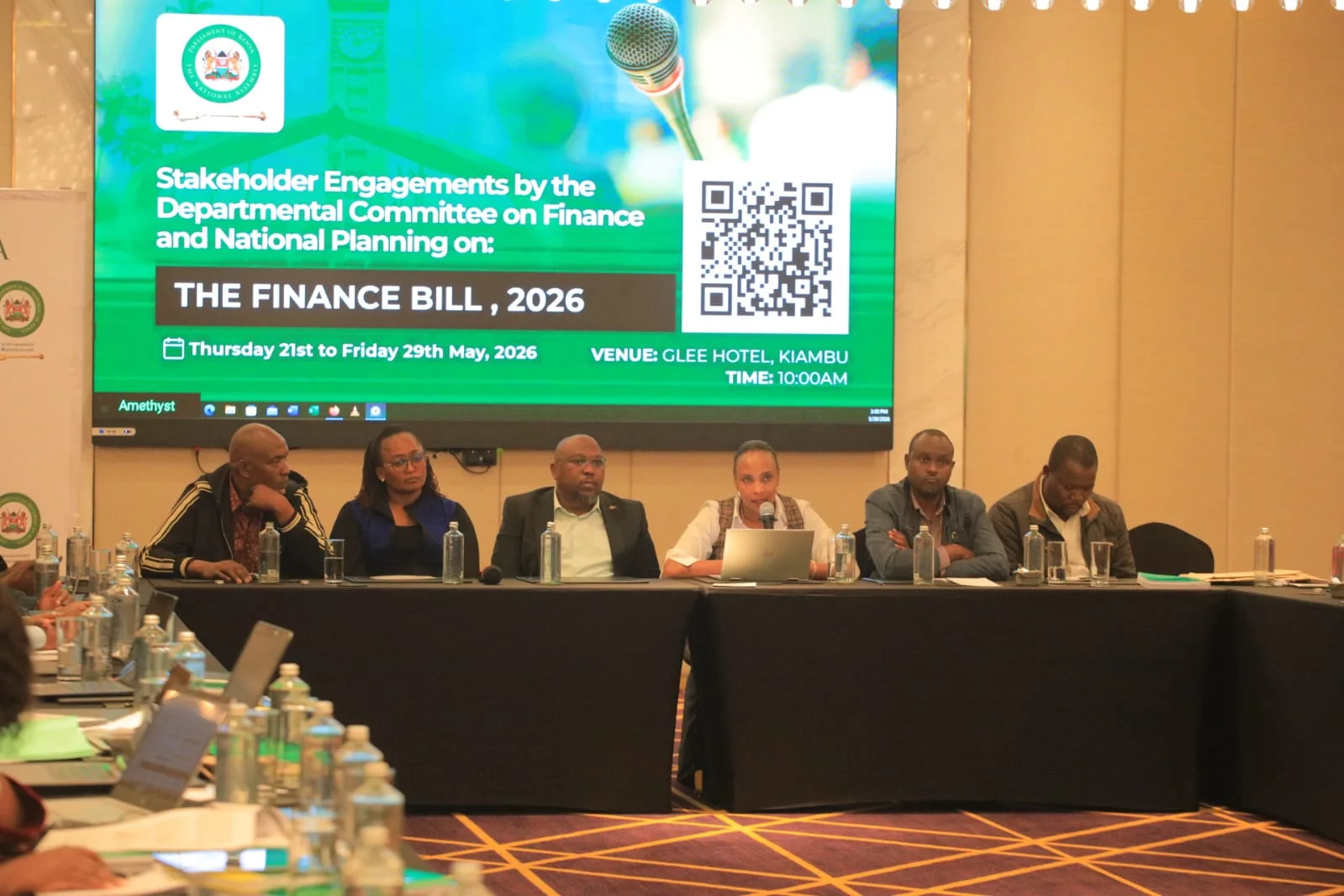
Mitumba Consortium Association of Kenya said the model would help small traders operate with more certainty, reduce compliance pressure, and improve clarity in tax obligations across the sector.
Kenya’s second-hand clothing traders are seeking a major shift in how taxes are collected at the border, proposing a system where importers pay a one-time final tax at the point of entry under a structured formula based on profit margins.
The Mitumba Consortium Association of Kenya (MCAK) told the National Assembly’s Departmental Committee on Finance and National Planning that the plan would apply a presumed 5 per cent profit margin taxed at 30 per cent, creating a single, predictable charge for all importers in the sector.
The association said the approach is designed to eliminate multiple levies and unclear assessments that have long affected traders, replacing them with a transparent system that is easy to understand and enforce at importation.
MCAK said the model would help small traders operate with more certainty, reduce compliance pressure, and improve clarity in tax obligations across the sector.
The traders maintained that the proposal also supports government revenue goals while protecting jobs and ensuring continuity in a sector that provides affordable clothing to millions of Kenyans.
"The mitumba sector remains one of Kenya's largest informal economic ecosystems, supporting approximately two million Kenyans directly and indirectly. The proposed 5% tax offers a practical and sustainable solution that allows traders to continue operating while contributing fairly to the economy."
The consortium said the system is meant to avoid heavy-handed measures that could disrupt business activity or reduce household income for those depending on the trade.
Members of the Finance Committee welcomed the proposal, calling it a constructive step toward widening the tax base.
“Hon. Members this move is laudable. There is indeed no provision for the imposition of taxation on Mitumba in the Finance Bill, 2026, but that you seek for formal inclusion in the tax bracket is step in the right direction “, Hon. Kimani stated.
Butula MP Joseph Oyula said the proposal shows cooperation between informal traders and the state in strengthening revenue collection.
“Hon. Chair this is an innovative blueprint for how the informal economy can willingly partner with the state to broaden the national tax base, which is commendable. It is a good thing to see that there are taxpayers who are willing to contribute to their fair share of the tax obligation”, he remarked.
MCAK also raised concerns over past tax practices in the sector, saying traders have faced unfair assessments and pressure from tax officers.
Apostle Teresia Njenga, Chairperson of MCAK, said: "Mitumba traders have endured significant hardship from arbitrary assessments and extortion by KRA and auditors targeting law-abiding Kenyans. We requested a simplified tax plan from the Treasury precisely to give every importer a clear and honest pathway to pay income taxes."
The association said a single entry-point tax would reduce disputes and improve compliance by removing confusion in the current system.
It further noted that the proposal could support access to credit, insurance, financing and other formal financial services for traders once the sector is better structured.
MCAK said mitumba trade and local textile manufacturing can operate side by side under a balanced policy, adding that continued dialogue with stakeholders will be key in shaping fair taxation and sustainable growth.




Comments
Sign in with Google to comment, reply, and like comments.
Continue with Google