MPs order special audit of PSIP after stipend payment delays
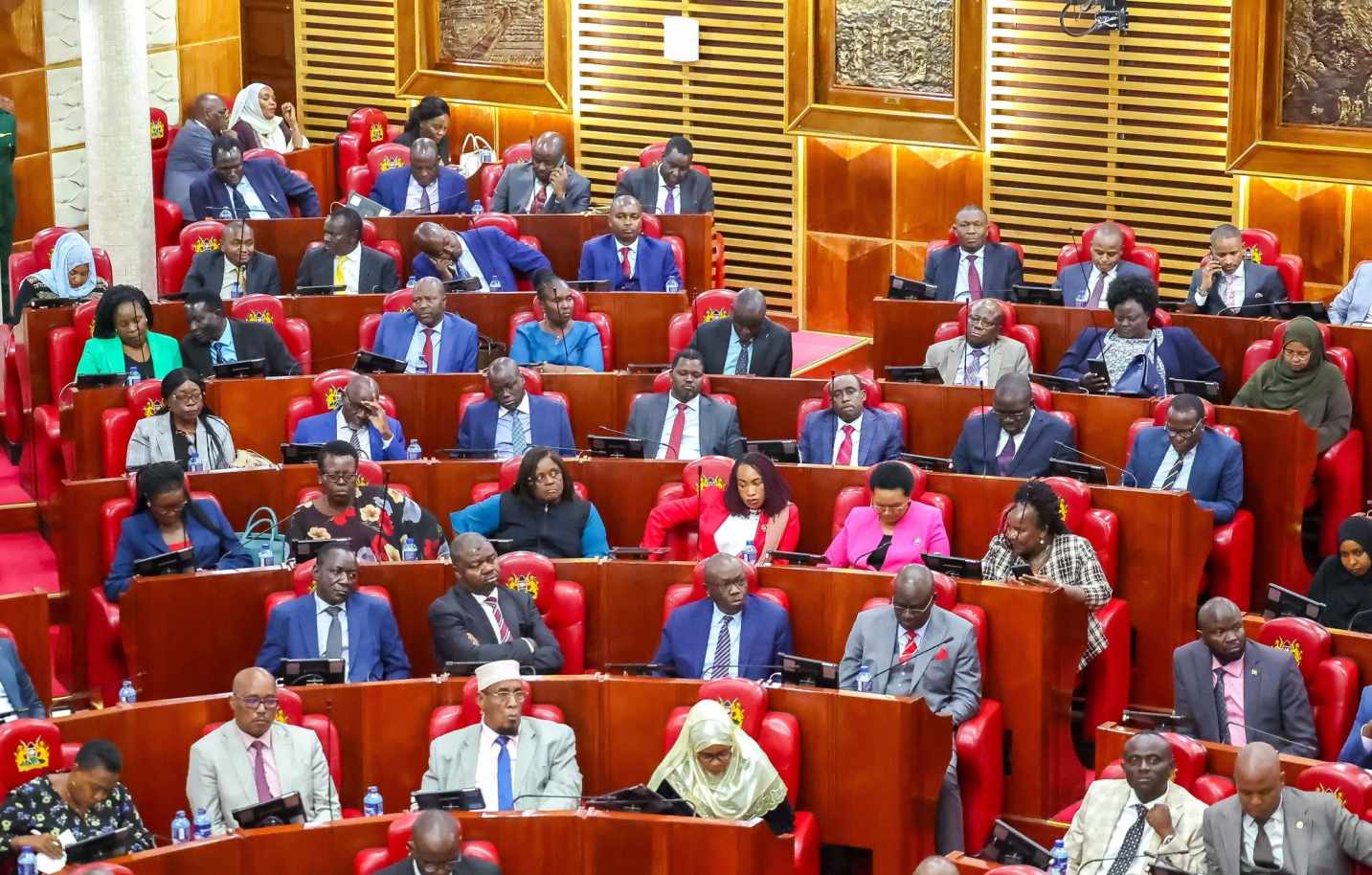
According to the committee, the decision was driven by ongoing concerns that have followed the programme for years, including inconsistencies in payment processing, late release of stipends, and weaknesses in how funds are managed within the system.
Parliament has moved to open up the books of the government’s graduate internship scheme after raising concern over persistent delays in stipend payments and repeated payroll errors that have affected thousands of young participants across the country.
The National Assembly Budget and Appropriations Committee has directed Auditor-General Nancy Gathungu to conduct a full special audit of the Public Service Internship Programme (PSIP), covering all financial and payroll records since the programme began. The review is expected to be completed by December 30, 2026.
According to the committee, the decision was driven by ongoing concerns that have followed the programme for years, including inconsistencies in payment processing, late release of stipends, and weaknesses in how funds are managed within the system.
“This audit is intended to address persistent challenges experienced since the programme's inception, including payroll inconsistencies, delays in stipend payments, and weaknesses in financial management and accountability systems,” said the parliamentary committee in a report.
The lawmakers further stressed that money allocated to the programme must strictly serve its main purpose and not be diverted elsewhere. “Additionally, the funds allocated to the PSIP programme should only be applied for the payment of stipends and not for operational expenses.”
Launched in 2019, the PSIP was created to bridge the gap between university training and the job market by giving graduates hands-on exposure within government offices. The programme places young people in ministries, departments, and agencies for a one-year attachment period.
Each intern earns a monthly stipend of Sh25,000 during the placement, with participants drawn from different regions of the country to ensure broad representation.
Over time, the initiative has grown into one of the largest government-run youth employment programmes, responding to rising unemployment levels among graduates and increasing pressure on the State to expand opportunities for skills development.
Interns are recruited from a wide range of academic backgrounds, including engineering, education, business studies, agriculture, humanities, and social sciences, and are deployed to public institutions across the country.
The programme is fully funded by the national government, with allocations mainly set aside for monthly stipend payments throughout the internship period.
Despite its expansion, concerns have continued to surface over delayed payments and administrative inefficiencies, prompting lawmakers to call for a deeper examination of how the programme is run and whether allocated funds are being used as intended.




Comments
Sign in with Google to comment, reply, and like comments.
Continue with Google