Trump faces congressional pushback as House votes to curb Iran war
The resolution now heads to the Republican-controlled Senate, where its future remains uncertain. Even if it secures approval in the upper chamber, its ability to fully stop military operations remains limited.
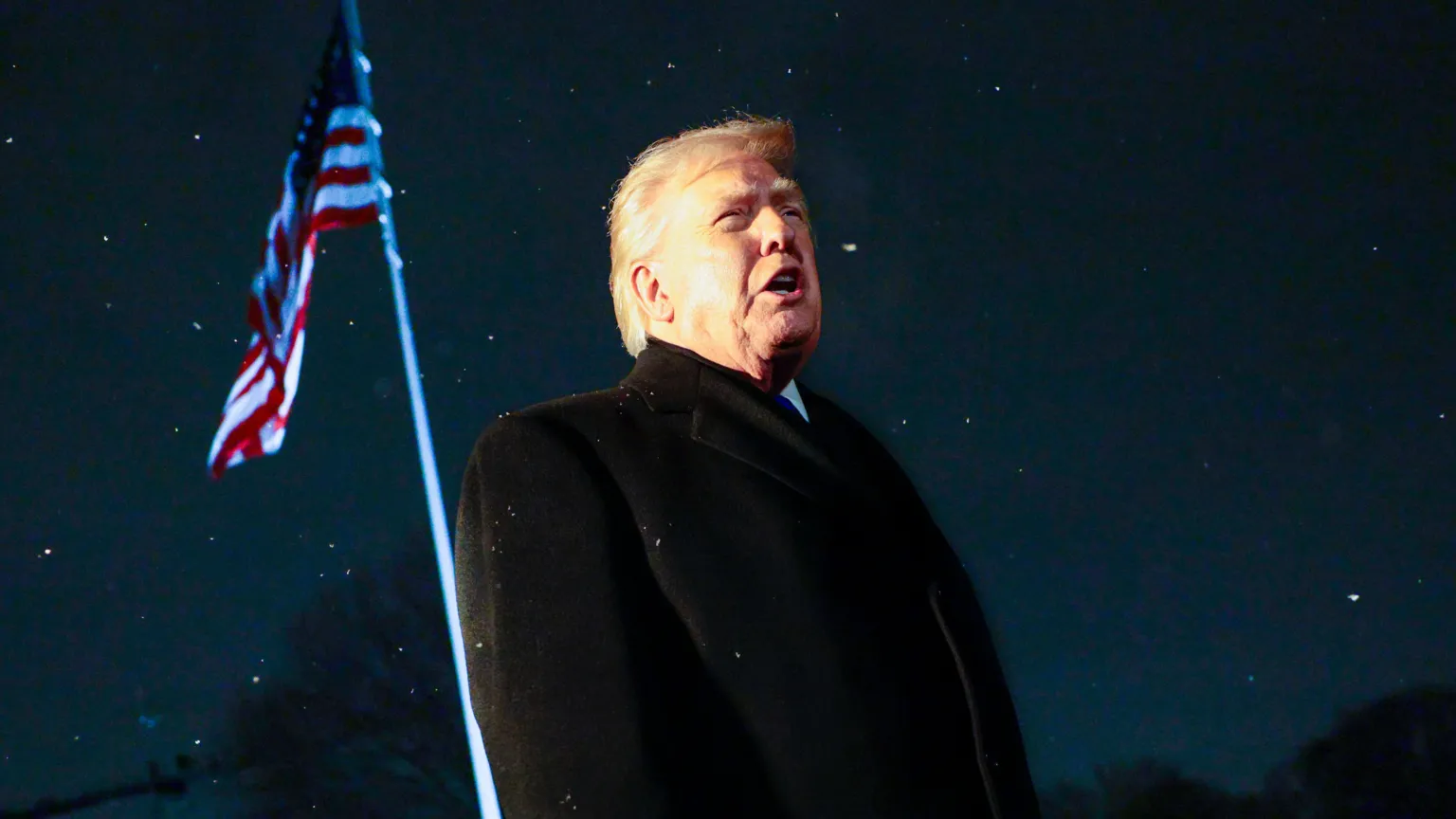
The US House of Representatives has voted to block President Donald Trump from taking further military action in Iran, delivering a rare bipartisan challenge to the White House as concerns grow over the ongoing conflict.
Lawmakers approved the measure by a vote of 215-208, with four Republicans breaking ranks to join Democrats in support of the resolution. The vote marks the fourth effort by the House to limit Trump's authority to continue the war, which critics argue has been carried out without approval from Congress.
The resolution now heads to the Republican-controlled Senate, where its future remains uncertain. Even if it secures approval in the upper chamber, its ability to fully stop military operations remains limited.
Trump could also veto the measure, a move that would require a two-thirds majority in both the House and Senate to override.
The Senate took a step toward advancing a similar proposal in May after seven previous failed attempts, although it has not yet been brought before the full chamber for a final vote.
Among the Republicans who backed Wednesday's resolution were Thomas Massie, Brian Fitzpatrick, Tom Barrett and Warren Davidson. They joined Democrats in supporting the measure, while Jared Golden of Maine, who had opposed similar efforts in the past, voted in favour this time.
"Congress alone declares war, that's something certainly we need to be protective of," Barrett, a Republican from Michigan, said.
Asked whether he feared political consequences from Trump over his decision, Barrett replied: "I vote my conscience for what I think is right and willing to accept that."
The vote exposed growing divisions within Trump's Republican Party. It came only days after conservative lawmakers forced the administration to abandon plans for a Sh232 billion ($1.8 billion) "anti-weaponization" fund intended for political allies.
Gregory Meeks, the top Democrat on the House Foreign Affairs Committee, welcomed the outcome and described it as "a significant bipartisan rebuke of President Trump's illegal and costly war in Iran and the first step toward ending it once and for all".
Meeks argued that the administration had failed to achieve the objectives it set out for the conflict while contributing to higher fuel costs in the United States and making efforts to secure a diplomatic agreement over Iran's nuclear programme more difficult.
"The passage of this [measure] today signals a significant turning point: more and more Republicans are listening to their constituents who do not want another open-ended war in the Middle East," Meeks, who co-sponsored the resolution, said.
The conflict began after the United States and Israel launched strikes against Iran on February 28. Iran responded by targeting Israel and US-allied countries in the Gulf and effectively shut down the Strait of Hormuz, one of the world's most important shipping routes.
In April, Washington announced a blockade on vessels travelling to or from Iran's coastline.
The two countries later reached an initial ceasefire agreement on April 8, raising hopes of a path toward ending the conflict.
However, fighting has continued in recent days. The United States has carried out new strikes inside Iran, while Tehran has responded with attacks on Kuwait, a key US ally in the region.
Despite the renewed hostilities, Trump said negotiations aimed at ending the war were progressing and could be concluded within days.
"We hit them pretty hard the night before, and actually last night," Trump told reporters at the White House on Wednesday, referring to strikes in Iran. "Some people would say they were slightly provoked because we took a strong action for a different reason, so they were reciprocating."
The president said members of his administration were working toward a deal that could end the conflict quickly.
"In theory they're pretty close to signing a paper, we've actually gotten along with them very well."
Trump added that officials hoped to resolve the crisis through an agreement "without killing everybody".



Comments
Sign in with Google to comment, reply, and like comments.
Continue with Google