Duale: Screening, contact tracing will replace border closures in Ebola fight
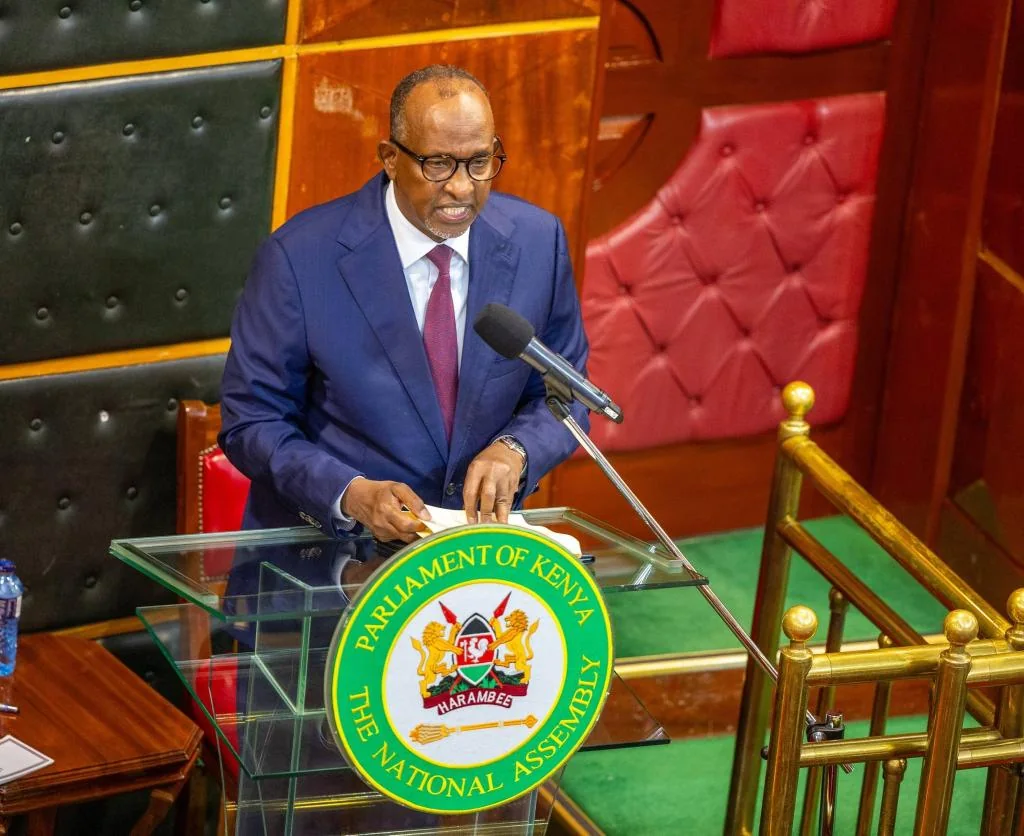
CS Duale dismissed the idea of border shutdowns, saying such a move would not provide real protection and would instead disrupt regional movement and economic activity.
Kenya has ruled out shutting its borders even as fears grow over a new Ebola outbreak in the region, with the government choosing a surveillance-based response that relies on screening and contact tracing to contain any possible spread.
Health Cabinet Secretary Aden Duale said the country will continue operating open entry points while strengthening health checks and monitoring systems aimed at detecting suspected infections early and preventing community transmission.
“We are not going to close our borders; we’ll screen and do contact tracing instead,” Duale declared, outlining a scientific protocol aimed at identifying, isolating, and tracing any potential exposure at ports of entry before it can spill into the community.
He made the remarks on Wednesday at Citxen at a time when concern is rising over increased movement between Kenya and parts of Eastern Democratic Republic of Congo, where cases of a new Ebola strain have been reported.
Public debate has intensified in recent days, with a section of Kenyans and health stakeholders calling for tougher measures, including sealing off borders to reduce the risk of importation of the virus.
Duale, however, dismissed the idea of border shutdowns, saying such a move would not provide real protection and would instead disrupt regional movement and economic activity.
He maintained that the government’s focus is on targeted health interventions that identify risks early rather than blanket restrictions.
Attention also turned during the interview to the Ebola isolation facility being developed at Laikipia Air Base with support from the United States.
The facility has drawn public scrutiny, with critics questioning its purpose and raising concerns about transparency and Kenya’s role in handling infectious disease containment infrastructure linked to foreign support.
Duale strongly defended the project, rejecting claims that Kenya was being turned into a repository for foreign biological risk management.
He accused critics of fuelling fear and distorting facts about the country’s preparedness efforts.
“As the Minister for Health, I have a moral duty to ensure our citizens are safe and protected from misinformation,” Duale stated emphatically, taking a direct swipe at those questioning the state’s transparency.
He insisted that the facility is part of broader national preparedness measures designed to improve Kenya’s capacity to respond to outbreaks and other public health emergencies.
The Health CS further argued that reliance on screening, surveillance, and contact tracing remains the most effective way to manage cross-border disease threats without disrupting essential movement across the region.
As anxiety continues to rise over Ebola risks in the region, the government has maintained that Kenya’s borders will remain open while health authorities monitor entry points and respond to any suspected cases in real time.




Comments
Sign in with Google to comment, reply, and like comments.
Continue with Google