Condom sales rise amid health funding cuts and stock shortages
The rise in sales boosted earnings from PS Kenya's health products business, which brought in Sh747 million during the year. The segment accounted for 54 percent of the organisation's total revenue of Sh1.37 billion, underlining the growing role of consumer purchases in supporting reproductive health access.
As cuts to foreign-funded health programmes continue to reshape access to reproductive healthcare, new data shows Kenyans are increasingly buying condoms from shops and pharmacies, helping keep demand strong even as public supplies come under pressure.
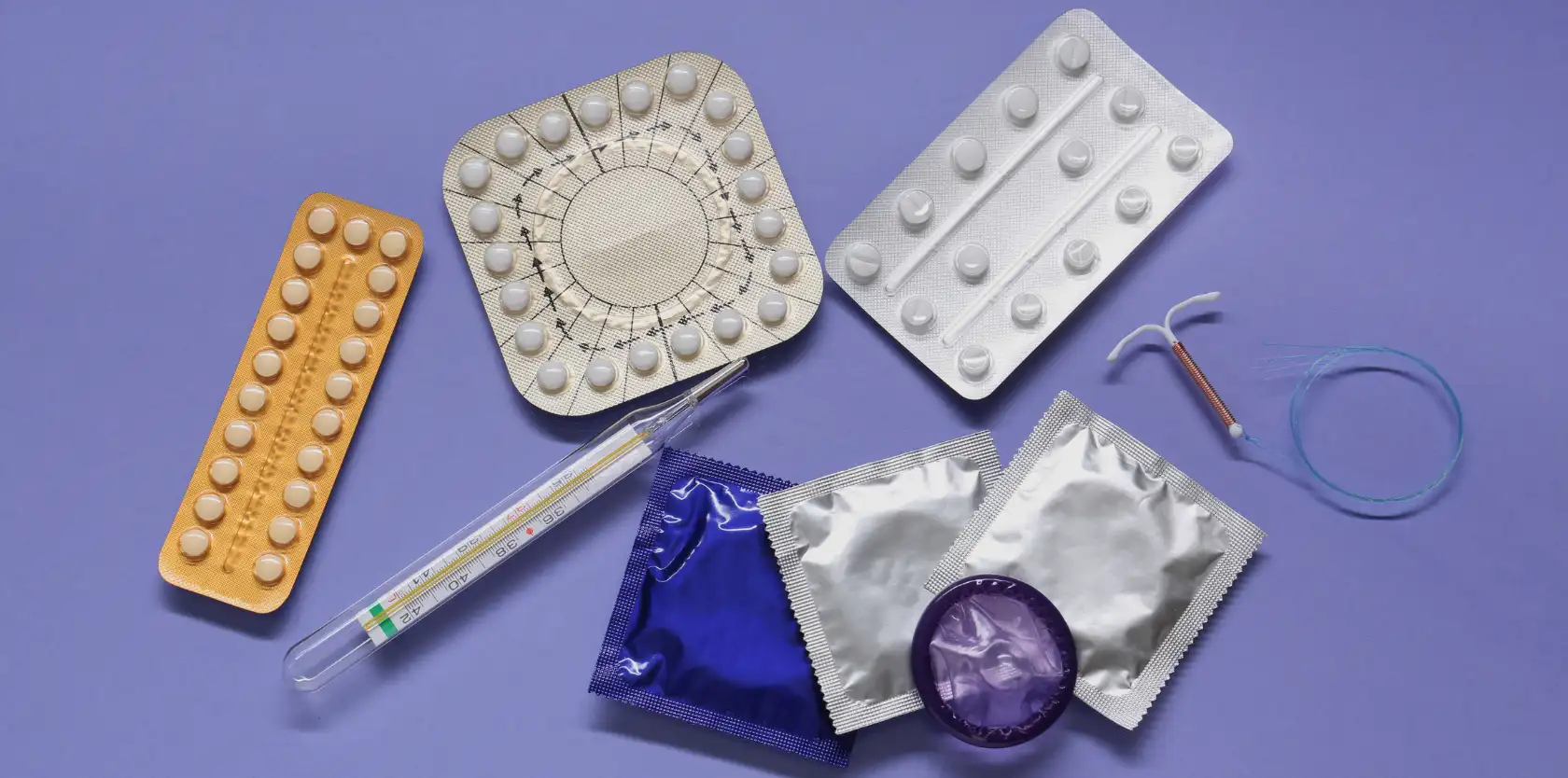
Figures released by Population Services Kenya (PS Kenya) indicate that sales of Trust condoms climbed to 27.3 million units in 2025, up from 26.5 million units recorded the previous year.
The growth came at a time when donor support for family planning and reproductive health programmes continued to decline, forcing more consumers to turn to commercial outlets for products that were previously available through subsidised channels.
The rise in sales boosted earnings from PS Kenya's health products business, which brought in Sh747 million during the year. The segment accounted for 54 percent of the organisation's total revenue of Sh1.37 billion, underlining the growing role of consumer purchases in supporting reproductive health access.
“PS Kenya closed 2025 in a strong financial position, recording total revenue of $10.6 million (Sh1.37 billion). More than half of this revenue, about 54 percent, came from programme income, reflecting the growing strength of our social enterprise model and a more diversified funding base,” the firm said in a statement.
The performance was recorded during a period when the country faced persistent shortages of condoms and other reproductive health commodities. National stocks remained under strain, with the Kenya Medical Supplies Authority reporting that most commodities were below the recommended minimum stock level of 16 months.
The shortages have been linked to continued reductions in foreign assistance from the United States. The funding cuts, which stretched into this year, followed a move by the Donald Trump administration to end a large share of international development support.
Among the affected programmes were family planning and reproductive health initiatives that have for years supplied millions of free and subsidised contraceptives across developing countries, including Kenya.
Against that backdrop, PS Kenya's latest annual report suggests a growing number of consumers are now meeting their reproductive health needs through retail purchases. The data points to a gradual shift from donor-supported distribution channels towards direct consumer spending on health products.
While condom sales recorded growth, the same trend was not seen across all family planning products. Sales of Femiplan oral contraceptive pills fell by 10 percent to 3.9 million units during the year.
The decline reflects changing consumer choices, with more users opting for alternative family planning methods, including injectable contraceptives and longer-term solutions.




Comments
Sign in with Google to comment, reply, and like comments.
Continue with Google