
The National Transport and Safety Authority (NTSA) has rolled out a new system to register and track boda boda operators, giving authorities a way to identify where riders work, the groups they belong to and the areas they serve amid growing concerns over indiscipline, crime and poor regulation in the motorcycle taxi industry.
The Boda Boda Management System (BMS) is expected to address gaps that have made it difficult for authorities to monitor motorcycle taxi operators, particularly riders who travel from their residential neighbourhoods to conduct business in other parts of the country without proper identification or accountability.
The initiative comes as the government steps up efforts to bring order to the sector, which continues to grapple with unlicensed operators, inadequate training, disregard for traffic regulations and difficulties tracing riders involved in road accidents and criminal activities.
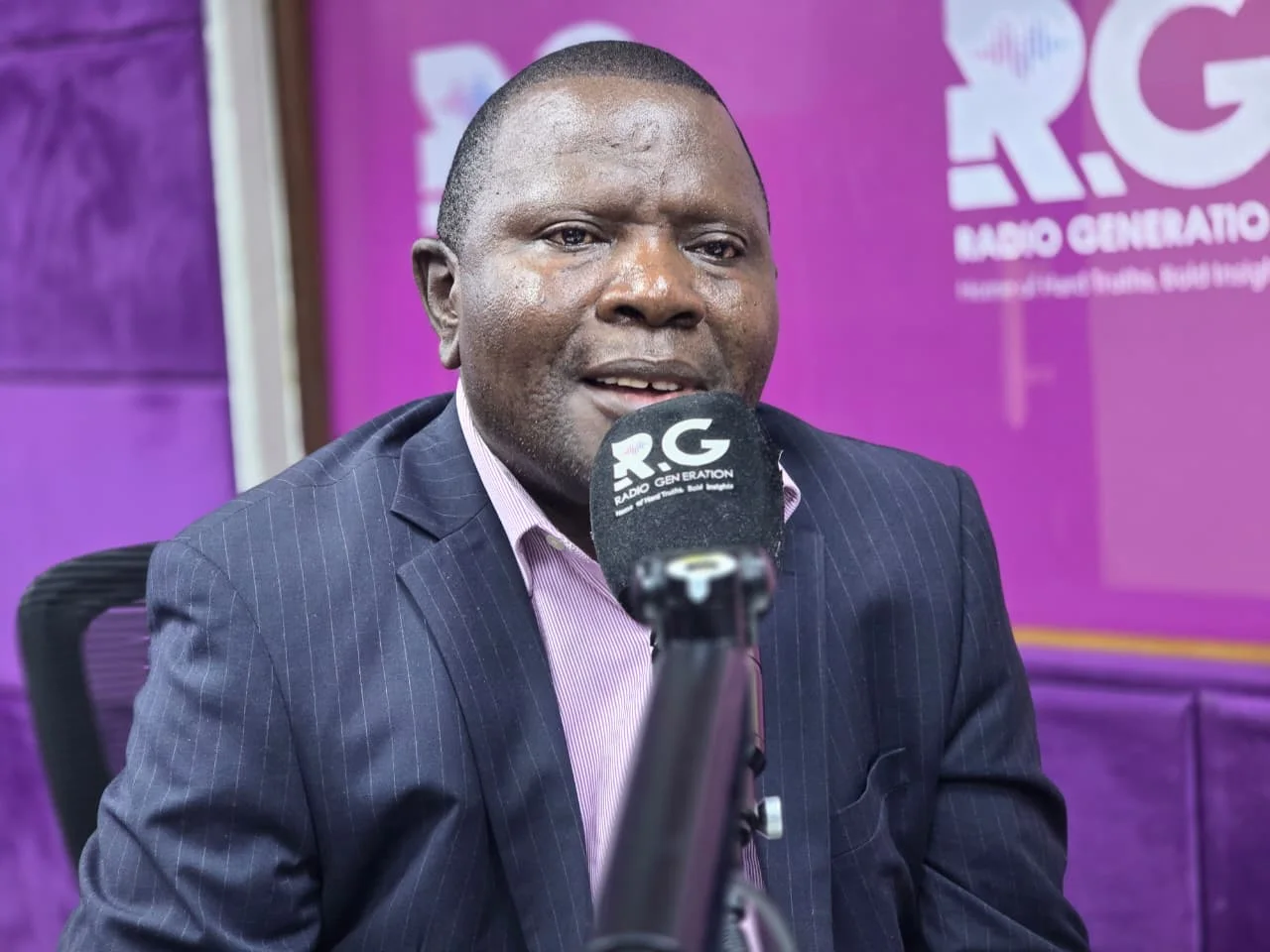
Speaking on Radio Generation on Thursday, NTSA Assistant Director of Road Safety Programmes Samuel Musumba said the authority was registering riders on the new platform to establish a reliable system for monitoring their operations.
"Recently, we launched a system called BMS. BMS is a Boda Boda Management System to onboard all these riders. If you are operating in Lang'ata or Loresho, can we know that you are operating from here, dropping off passengers and going back? Quite a number are now getting onboarded," Musumba said.
He explained that the system would help authorities establish the areas where individual riders operate, addressing a situation where some motorcycle taxi operators leave their home neighbourhoods to work in unfamiliar locations, making it difficult to trace them when incidents occur.
Musumba illustrated the challenge using an incident involving the molestation and robbery of a woman along the Kiambu Road corridor, where investigations revealed that the suspected perpetrator had travelled from Eastlands to conduct business in the area.
"Following up that case, what we realised was that this gentleman was actually not coming from Kiambu. He was actually coming from Eastlands to work in that area. He would come in the morning, do business there and go back."
According to the NTSA official, investigators had to rely on available surveillance footage to establish the suspect's movements, highlighting the difficulties authorities face when dealing with riders whose identities and usual areas of operation are not properly documented.
The new registration system is expected to make such investigations easier by providing information on riders' identities, their registered operating locations and the groups under which they conduct business.
Musumba, however, clarified that the initiative was not designed to punish motorcycle taxi operators but to establish a system that promotes order and responsibility within the industry.
"The whole idea is not punishment, but the whole idea is regulation. Because if we don't do that, then we are running a system which is lawless," he maintained.
NTSA pushes for organised boda boda groups
The introduction of the BMS is part of wider government efforts to reform the motorcycle transport industry, with Musumba revealing that discussions on improving its management began in 2018.
He said former Interior Cabinet Secretary Fred Matiang'i established a task force that year to examine the challenges affecting the sector and propose measures to improve regulation, safety and accountability.
Among the recommendations was the formation of organised rider groups known as circles, which would provide a structured system of leadership, training and compliance with licensing requirements.
Under the 2015 motorcycle regulations, riders are expected to organise themselves into groups, with each circle comprising at least 100 licensed members. The arrangement is similar to the structure used by public service vehicle operators.
Through these groups, authorities can identify riders who have not undergone the required training, organise capacity-building programmes and establish leadership structures that make it easier to enforce regulations.
Musumba said NTSA was also encouraging elected leaders to support training programmes for motorcycle taxi operators through constituency development initiatives, adding that some politicians had already embraced the approach.
The authority believes that improving access to training and ensuring riders obtain the necessary licences will help address the growing number of operators who join the industry without meeting the required standards.
He warned that some individuals enter the business after learning only the basic skill of balancing and riding a motorcycle, without undergoing proper training or understanding the responsibilities that come with operating on public roads.
Counties to designate boda boda operating areas
Beyond registration and organised groups, NTSA is also working with county governments to establish designated stages and introduce better arrangements for motorcycle taxi operators.
The measures are intended to control where riders pick up and drop off passengers while reducing conflicts and disorder caused by operators setting up stages in undesignated locations.
In Nairobi, the county government has introduced a colour-coded identification system for riders operating in different areas, with jackets intended to help distinguish operators according to their respective locations.
The county has also established a dedicated enforcement unit to supervise boda boda activities and ensure riders follow designated stages and other operational requirements.
Under the proposed arrangement, a rider registered to operate in an area such as Lang'ata would be expected to work within the designated system instead of freely occupying stages in unrelated parts of the city.
Musumba said combining rider registration, organised groups, designated operating areas and enforcement would give authorities greater control over an industry that has proved difficult to regulate.
The measures are also expected to make it easier to identify operators who violate regulations and establish responsibility whenever accidents or other incidents involving motorcycle taxis are reported.
Despite the challenges, NTSA recognises the importance of the boda boda industry, which provides employment to thousands of young Kenyans and serves as a major means of transport in different parts of the country.
The authority is therefore seeking to improve the sector's management without undermining its contribution to employment and the country's transport system.
The BMS is expected to play a central role in these efforts by giving authorities a clearer record of motorcycle taxi operators, their associations and their areas of operation, while supporting broader efforts to improve training, licensing and accountability.