

Nairobi Senator Edwin Sifuna has dismissed a recent opinion poll that placed him at 31 per cent in the 2027 presidential race, tying him with President William Ruto, arguing that surveys giving the Head of State more than 10 per cent popularity do not reflect the political mood in Kenya.
Sifuna questioned the credibility of the findings by TIFA Research, insisting that Ruto had lost significant public support because of unfulfilled campaign promises, dissatisfaction with his administration and the government's handling of public concerns.
Speaking during a radio interview on Thursday, the Linda Mwananchi Movement leader challenged pollsters to explain how they arrived at figures showing the President commanding substantial support nationally.
“Any survey that gives William Ruto support of more than 10 per cent is not a genuine survey. Any survey that places President William Ruto above 10 per cent nationally is not something we can consider a genuine poll,” Sifuna said.
The senator maintained that his interactions with Kenyans during political engagements across the country presented a different picture of the President's popularity.
He accused Ruto of betraying the electorate by failing to fulfil commitments made during the 2022 presidential campaigns, arguing that public dissatisfaction had significantly weakened the President's political standing.
“You must show us where he gets that popularity from. Those of us who travel across Kenya hear Kenyans saying that this man is a liar, that he deceived them and made promises he has not fulfilled,” he added.
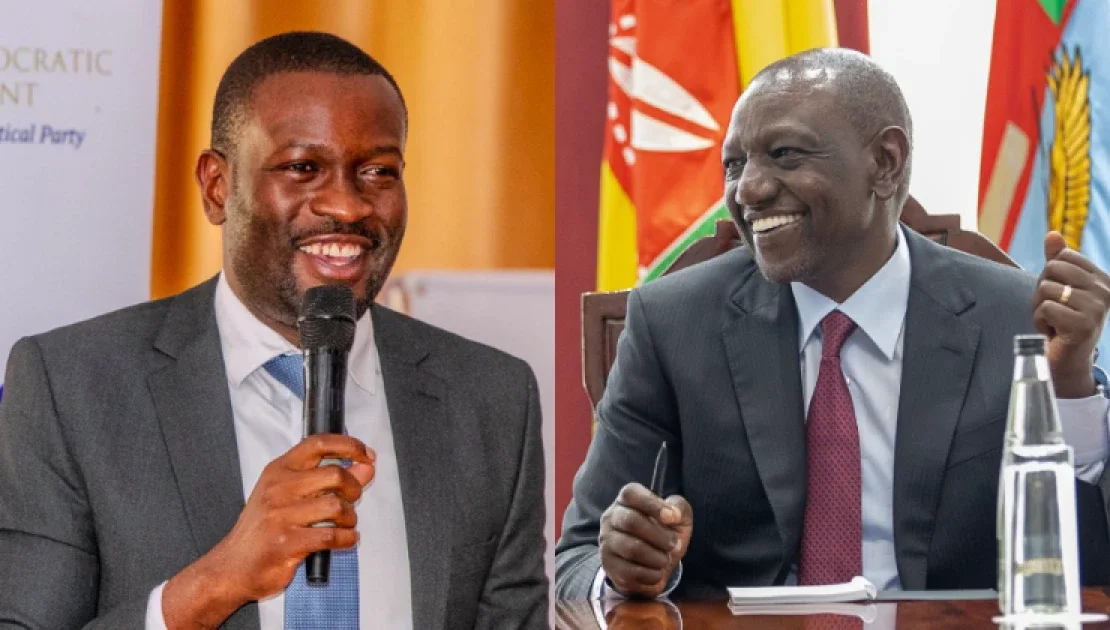
The remarks followed the release of a TIFA Research survey on Thursday, November 12, which placed Ruto and Sifuna jointly at the top of the list of Kenyans' preferred candidates to win the 2027 presidential election.
Both leaders registered 31 per cent support, placing the Nairobi senator alongside the incumbent President despite not having formally emerged as the opposition's joint presidential candidate.
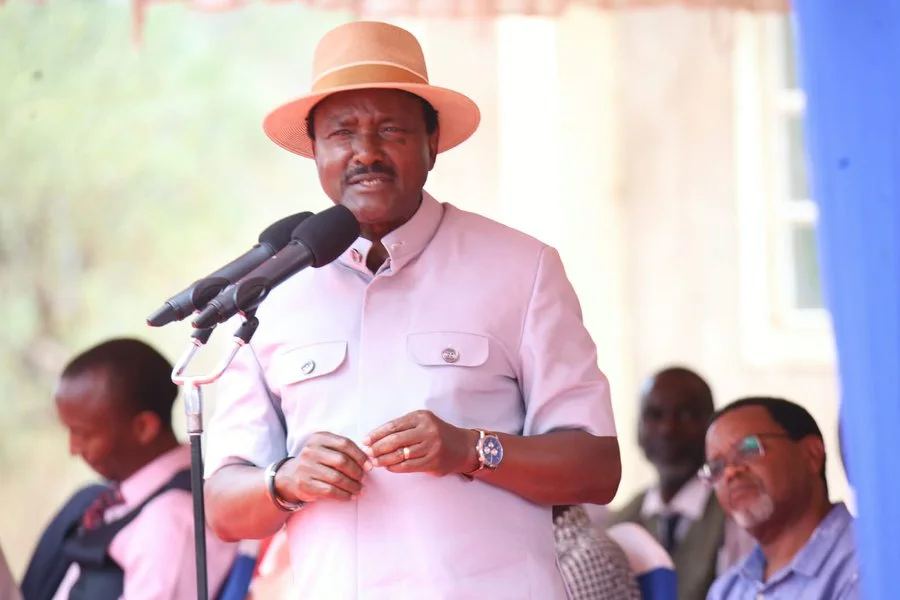
Wiper leader Kalonzo Musyoka followed with nine per cent, while former Interior Cabinet Secretary Fred Matiang'i attracted five per cent. Former Deputy President Rigathi Gachagua received four per cent.
Other opposition and potential presidential candidates collectively accounted for 19 per cent of support, presenting a significant voting bloc that could influence the outcome of the next election.
However, TIFA cautioned against assuming that the combined opposition support would automatically translate into votes for Sifuna or another opposition candidate, citing internal competition and the advantages enjoyed by an incumbent president.
The findings represented a significant shift from an earlier TIFA presidential preference survey conducted in June 2026.
That survey placed Ruto at 24 per cent, followed by Sifuna at 15 per cent, Matiang'i at 14 per cent and Kalonzo at 13 per cent. Gachagua received seven per cent.
The TIFA findings also differed from results published by Politrack Kenya following research conducted between September 15 and 25, 2026.
The Politrack survey, which covered 20,419 respondents across all 47 counties, placed Ruto ahead of Sifuna with 45.1 per cent against the senator's 19.6 per cent.
Kalonzo received 10.3 per cent, followed by Matiang'i at 8.4 per cent, Gachagua at 7.2 per cent and George Wajackoyah at six per cent. Undecided respondents accounted for 1.1 per cent.
The research firm reported a margin of error of plus or minus three percentage points at a 95 per cent confidence level. Its findings were weighted against Kenya's registered voter population of 22,102,532.
The figures contrasted with an earlier July 2026 Politrack head-to-head comparison, which reportedly placed Sifuna ahead of Ruto, although the specific percentages and survey methodology were not available in the figures cited.
The different findings highlight the contrasting political standings recorded by polling organisations as potential candidates position themselves ahead of the 2027 General Election.
Sifuna also attributed Ruto's declining popularity to the government's handling of the 2024 Gen Z protests, which erupted following opposition to the Finance Bill 2024.
He accused the administration of becoming arrogant after assuming power and ignoring the concerns of citizens who had entrusted it with political authority.
The senator argued that the government's failure to listen to Kenyans before pursuing controversial tax proposals contributed to the demonstrations that rocked the country in June 2024.
“When he entered that office, he took power as though he was now the boss of the people, forgetting that the people are his bosses,” Sifuna said.
The protests eventually forced Ruto to withdraw the Finance Bill, marking a significant political setback for his administration.
Sifuna maintained that the events demonstrated the consequences of disregarding public opinion, insisting that the President's political fortunes should be assessed against the concerns raised by Kenyans.
With the 2027 presidential election approaching, the competing TIFA and Politrack findings offer different assessments of the potential contest, while the question of whether opposition leaders can rally behind a single candidate remains unresolved.